









70: BP's Road to Rebuilding Trust with CEO Bernard Looney
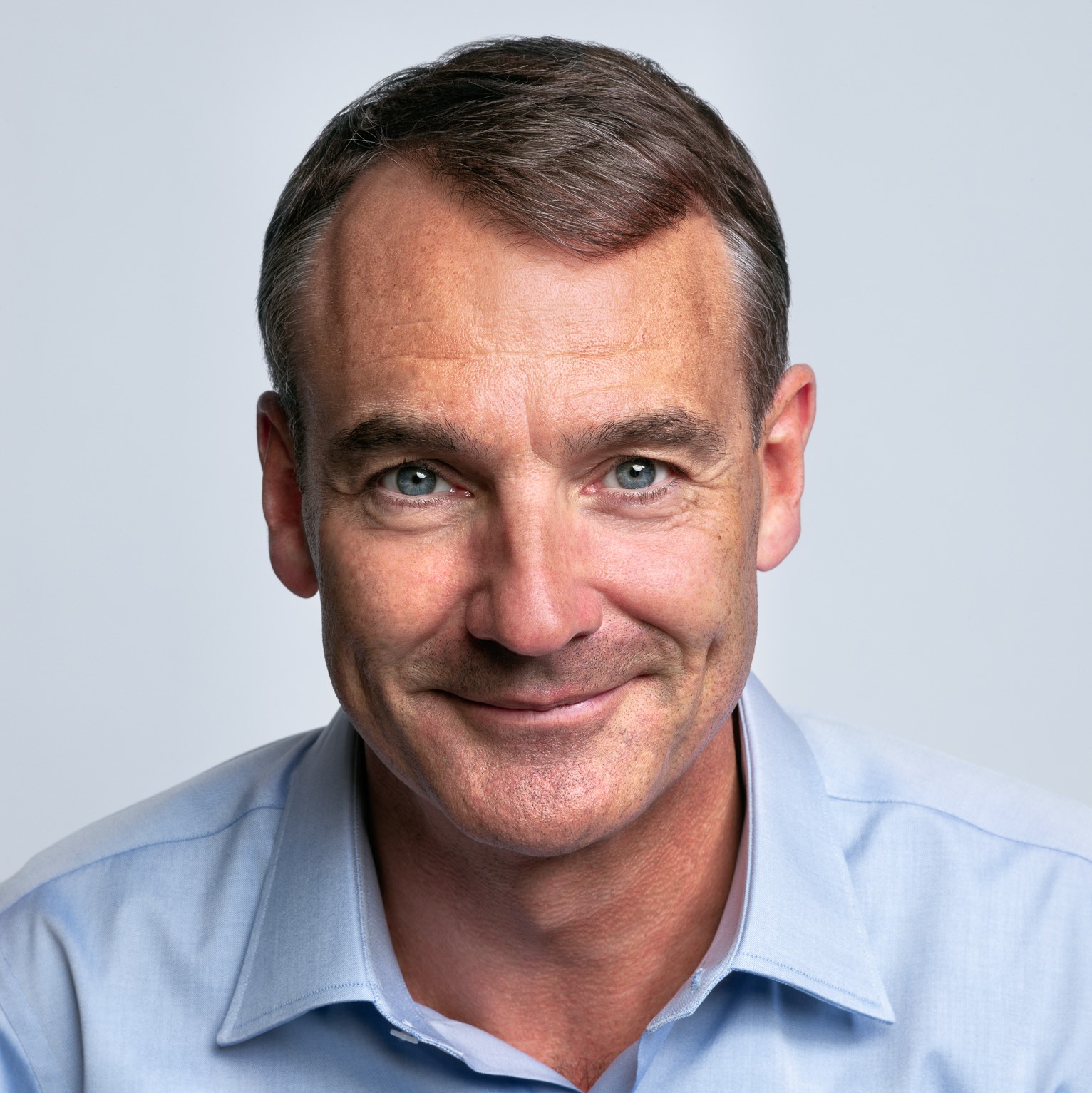
This week we sit down with the CEO of BP, Bernard Looney.



About this episode
This week we sit down with the CEO of BP, Bernard Looney. Following BP’s announcement to be net-zero by 2050 and cutting oil production by 40% by 2030, we talk about the beginning steps to rebuilding trust and what it looks like to transition an oil and gas company away from oil and gas.
—
Our special musical guest this week is Gecko:
Full Transcript
Transcript generated by AI. While we aim for accuracy, errors may still occur. Please refer to the episode’s audio for the definitive version
00:00:12.614 --> 00:00:14.374
Tom Rivett-Carnac: Hello, and welcome to Outrage and Optimism. I'm Tom Rivett-Carnac.
00:00:15.594 --> 00:00:17.094
Christiana Figueres: I'm Christiana Figueres.
00:00:17.094 --> 00:00:18.514
Paul Dickinson: And I'm Paul Dickinson.
00:00:18.514 --> 00:00:27.194
Tom Rivett-Carnac: This week, we talk about the vanishing Arctic, the new hope for national climate ambition, and Facebook's move against climate misinformation. Plus, we speak to Bernard Looney, CEO of BP, and we have music from Gecko. Thanks for being here. Okay, friends, so this has been a very consequential week. It feels to me like all of the, you know, Christiana, you've often talked about this, the exponential curve of impact and the exponential curve of solutions. And it just feels like both are taking a massive acceleration this week. I mean, I don't know what's caught your eye, but you know, apart from the wildfires that we talked about last week, there's also, you know, very significant breaking down, particularly of the Arctic ice sheet that's been reported this week, which is really devastating in terms of its impact. But also, we've seen this week Ursula von der Leyen, the EU chief, step up with an increased commitment for 2030, which we all hope that she would do, 55% up from 40%. We've seen China indicate they could do a lot more, which is a big deal. There's positive signs coming from the UK as well. And Facebook's finally doing something about climate change. So Facebook on Monday launched a climate change information page in an effort to promote facts about climate change from trusted sources. A similar effort to what they did on COVID. But the attempt there is to actually highlight for people when what they're seeing on Facebook is not trustworthy. So both of these curves this week, so in evidence of accelerating, it's left me a little bit confused.
00:01:56.368 --> 00:02:00.988
Christiana Figueres: And Google, if I can jump in to continue that. And Google announced that its new goal is to operate 24-7 throughout the year on what they're calling carbon-free energy everywhere by 2030. So I've been trying to dig in to that. What does carbon-free energy everywhere mean? And it's not entirely clear, but it's exciting that they have taken on this commitment, really quite ambitious. They've been walking down the decarbonization path for a while. But actually, Tom, you've read my mind. Because when I was looking at all of the news from this week, exactly what came up for me was these two exponential curves. And it is increasingly obvious that we're on an exponential curve of destruction, which is very scary, very threatening, but also on an exponential curve of solutions, of corporate engagement, of country engagement, of financial sector engagement. And these two curves are like competing against each other. It used to look to me like they were competing against each other every month, then it went to every week. Now we're at every day. They are competing against each other every day. And if you step back from the specifics of the news, you really can see these forces trying to figure out which one is going to actually have primacy. And it is just an amazing... I almost feel like I'm in one of those children's films of the good guy and the bad guy fighting it out, out there on the streets. And you really don't know which one is going to win. It's actually... I'm sort of sitting on the edge of my chair about this.
00:03:45.248 --> 00:03:47.748
Paul Dickinson: Yeah, you might want to get an extension on the edge of your chair, to be honest with you. I mean, the US election... You know what I mean? Are you going to be like in the house next door or something? The US election is now about climate change. That came out last week. There was an exchange with Trump about it. And I mean, it would be better if it was not partisan, but it is great news that it's part of the debate. And the outcome will direct global trends. So much of the world is, as you said, Christiana, watching and waiting. And assuming Trump loses, that could be a huge global lesson for politicians and governments regarding the public appetite for action. So yeah, nail biting, all my fingernails, all my toenails, unfortunately, in jeopardy.
00:04:23.428 --> 00:04:31.408
Tom Rivett-Carnac: And one of the interesting things about it is how people feel about it, because we've talked before about the prevalence of this deep anxiety about this moment. And we didn't even mention the biodiversity figures and the heartbreaking David Attenborough documentary that came out this week about extinction and the accelerating elements of that. So in a way, I mean, looking at all of that and doing the research to identify that for this podcast, I kind of am not sure whether I'm feeling outraged or optimistic about this whole mixture of things, because there's so much happening in both directions. But what I think is that how people feel can often be an effect of where they're looking, because everything is happening at the same time.
00:05:02.748 --> 00:05:05.768
Christiana Figueres: Yeah, well, we've said quite often, right, that we're in the midst of a transition. And by definition, any transition always has elements of the past and elements of the future. And it very much depends on what color eyeglasses you put on to look at the transition. If you want to look for elements of the past, there they are. If you want to look for elements of the future, there they are. But I think, actually, the wiser stance is to look at both and realize that there is this amazing tension. And that those of us, of course, who are vested into the future are very much rallying for the kind of world that we would like. But the tug, the tug and the pull and the push right now is unbelievable, unbelievable. And rightly so, right? Because this is not just any transition. This is not... I've been speaking a lot to Impossible Foods people lately, but just to have the contrast, this is not about changing your diet. This is literally changing human behavior, human thinking, human activities, human endeavors, human investment, human everything. If we come out on the other side, and we have to, there's no doubt about that, we will look back, right? And say, how were we ever, how were we ever captured in that polluting, unhealthy, death-driving, right? Extinction-driving world, when all the time we could have accelerated the transition. We're not going to understand this. We're not going to understand how it took us so long.
00:06:58.688 --> 00:07:00.108
Paul Dickinson: Well, it's easy to understand, Christiana. I don't think you fully appreciate the role of shareholder primacy here. The thing is that it's necessary to maximize returns in the short term, and everything else is irrelevant. But the key thing, perhaps, is that, to be serious for a minute, the pandemic restrictions may not be fun, but they mean we are no longer dealing with an imaginary world. We have actually transformed our world, and of course, the decarbonized world doesn't look like the COVID world. But we are actually much better able to imagine a different future because we're in one.
00:07:27.968 --> 00:07:28.708
Tom Rivett-Carnac: Yeah. I think you're really right, Greg, Christiana. I mean, I think that it will be a little bit like people who stop smoking when they get out from under the addiction of that and they pass through it, then they think back to all the years that they smoked, and the terrible impact that it had, and it sort of feels like, what the hell was I doing? I think there'll be some collective feeling like that. But where better? I just want to give a bit of a background conversation here to the discussion we're about to have in a few minutes with the CEO of BP, Bernard Looney. Now, listeners, sometimes we have these pre-chats and we've already recorded the interview, and we're always honest with you about that. But we haven't spoken to him yet, so we're gearing up to talk to him in a little bit. BP is this perfect example of what we're talking about here, of the past and the present being present in everything that's unfolding at the moment. Of course, BP, one of the world's oil super majors, one of the companies most responsible for producing the hydrocarbons that has got us into this mess in the first place and a long history of blocking progress and extracting more oil. At the same time, BP this February said they would cut emissions to zero by 2050, including a 40% drop in oil and gas production by 2030. So that really is a genuine leadership position for an oil and gas company. So my question to you, Paul and Christiana, is how do we handle talking to Bernard? Is he, you know, how do we go at that? Is what he's done enough? Do we meet him where he is? What's our strategy?
00:09:00.328 --> 00:09:05.328
Christiana Figueres: I wouldn't be very interested in knowing, does he think it is enough? Because ultimately he will make this call, right? And he's a very new CEO. He's just been in the job for what, six months or so. And so it's actually very interesting that he made this incredibly bold move so early in his tenure, which means that he must have been thinking about this for a while.
00:09:25.488 --> 00:09:29.588
Tom Rivett-Carnac: And he spent his whole career at BP, his the only place he's ever worked.
00:09:30.008 --> 00:09:34.188
Christiana Figueres: So he knows the beast from inside. And he must have been thinking about this and talking to colleagues under the previous CEO for quite a while. So I'm very interested in that process to understand how, when did he start thinking about this, what his timing for the announcement, does he have the BP engineers with him, is he having a huge internal fight? I mean, it is not easy to do what he did. It's not easy vis-a-vis his shareholders, although the market actually immediately reacted positively by upping the value of shares by almost 7% right after the announcement. But nonetheless, he didn't know that that was the way the market was going to react. And so very courageous vis-a-vis his shareholders, vis-a-vis his employees, his colleagues, and the world at large, because he is definitely stepping out from the herd, let's say. So, well, I am dying to have this conversation with him.
00:10:43.068 --> 00:10:44.688
Paul Dickinson: No, it's incredibly exciting. And I was goofing about earlier, Christiana, talking about shareholder primacy. But here's just like one amazing quote. He was asked by a stock analyst what this means. He says, we're not promising the world. We're promising 8% to 10%. And for those of us who've spent a little bit too long thinking about this kind of stuff, that is a deeply profound sentence. And Christiana, you said...
00:11:05.048 --> 00:11:06.688
Tom Rivett-Carnac: Why is that a deeply profound sentence?
00:11:06.688 --> 00:11:16.188
Paul Dickinson: Because essentially seeking to get double digit returns, you know, way above 10%, maybe 15%, maybe 20% is the excuse for despoiling the earth.
00:11:16.188 --> 00:11:16.648
Tom Rivett-Carnac: Yeah. Okay, so we'll go and talk to him in a minute. And I completely agree with what you guys said. I mean, there could not be anyone who more embodies this messy attempt to take this imperfect situation that we have inherited and try to transform it into something different. And it's not going to be perfect, but let's try and get under the skin of how he thinks about it and what's going to be next.
00:11:35.308 --> 00:11:36.148
Paul Dickinson: Let's do it.
00:11:36.148 --> 00:11:37.208
Tom Rivett-Carnac: Bernard Looney.
00:11:37.208 --> 00:11:38.328
Paul Dickinson: Christiana?
00:11:38.328 --> 00:11:39.368
Tom Rivett-Carnac: Here we go. Here we go.
00:11:45.453 --> 00:11:48.753
Christiana Figueres: What a delight to have you on Outrage and Optimism. As you might suspect, the name of this podcast basically shows that we feel that we need both outrage at what is still not happening on climate change, of which there are many issues that we're totally outraged about. But we also need optimism about what is happening and what more we can do. And who better to sit somewhere in the uncomfortable middle between those two than you? Could I start just reflecting that you have spent your entire professional career at BP, you have seen it go through many, many different cycles, many vision cycles, I should say. You were there when Lord Brown was there, when he brought the Beyond Petroleum Vision way back in the 1990s. You were there during Bob Dudley, who was brought in to sort out the deep water oil spill. And then you were announced as the new CEO in October of last year, you took over in February, and it seemed like you had barely taken over three seconds when you announced a climate strategy, and then now on the 4th of August, you went into much more details about cutting your oil and gas output by 40% over the next 10 years, reaching 50 gigawatts of renewable energy by 2030, and many other details that are really ground breaking for an oil and gas company. Here's my question. For you to take on those very ambitious targets so soon, basically a few months after taking over, you could not possibly have considered the implications of those targets the moment that you got into the CEO seat. I am suspecting that you were pestering and festering on all of this while you were not CEO. So just wanted to invite you to reflect a little bit on, on what I call your festering and pestering time.
00:13:59.593 --> 00:14:02.293
Bernard Looney (guest, CEO of BP): Well, thanks, Christiana and Tom and Paul. And thanks so much for having me on. It's a real privilege. And in answer to your question, I mean, I think throughout my career, I actually started in BP as a drilling engineer. So actually, my career was in extracting oil and gas. But I think throughout my career and as I got older, I guess I've always felt that I'm interested in what's happening in society and I guess in some ways, felt I was in touch with what society was thinking and doing around the world. And I think in the latter years, it became very clear to me, Christiana, that while society needed what we wanted, it's not obvious to me that they wanted what we had to offer. So they needed our product, but it wasn't clear to me that they necessarily wanted it. And in many ways, it just felt increasingly like what we were doing was sort of out of step with society. And I personally just don't think that's a very productive place or space to occupy when you're out of step with what society really, really wants, which of course is yes, reliable energy, yes, affordable energy, but increasingly cleaner energy. When I was announcing a job in October last year, I thought I'd better go and validate whether this hunch is actually real or not. And I went deliberately out to seek views from a wide cross-section of people from the UN, from NGOs, from activists, from investors.
00:15:38.233 --> 00:15:39.973
Christiana Figueres: I should say quite a few critics. You spoke to quite a few known, outrageous critics.
00:15:43.753 --> 00:15:44.433
Bernard Looney (guest, CEO of BP): Absolutely. There is no point in talking to people who agree with you. I mean, it really, it might be very fun and comfortable in the moment, but I'm not sure you learn anything. And my mother, who is very important to me, told me I had two ears and one mouth and to use them in that proportion. So I think it is important. It is important to get out there and listen. And I really believe in listening. And I listened and there was one activist who has had a huge influence on me. And, you know, she was able to explain things to me in a way that made me, helped me understand why people didn't trust us, why people maybe didn't want what we had. They needed it, but they didn't want it. And I wouldn't have got that insight had I not gone and listened. So those, over a period of three or four months, that confirmed to me, it confirmed to me that we had to change as a company. We had to change because what society wanted from us was different. And secondly, what I learned from our employees and our organization is that they wanted us to change and we want. So it was it was a sort of we had to and we wanted to. We had tremendous skills to offer in this world. We believe we can contribute hugely, actually, to the transition. So it was a hunch. It was a deliberate sort of listening tour. Definitely don't talk to people who's going to agree with you. I basically think what's the point. So I went and talked to a lot of people who challenged me. That helped me. It confirmed what I thought. And that's why in February, it's actually seven days after I started in the job, we launched a new purpose because everything has to start with a purpose. What is it that we're actually about? And we've always been in the provision of energy. So the concept of people and planet has always been there. But we said we actually need to reimagine energy because energy is actually going to be different in the future and people want to. We're reimagining energy for people and the planet. That's our purpose. We then said that's not enough. We need an ambition. So we set a net zero ambition by 2050 or sooner if we can, and how we're going to help the world get there. We backed that up with 10 aims, which we are doing, five for BP and five to help the world. Then we said, well, people said we need more detail, which is great because I agree I was seven days in, so I didn't have all the answers, but we had set this sat nav. We had set Christiana the direction, and I kept saying to people, look, the direction is set, there's no going back now. Next, it's the milestones, and we've just launched our strategy on the 4th of August, and that is about how do we actually go from being an international oil company to being an integrated energy company.
00:18:38.973 --> 00:19:16.153
Christiana Figueres: So Bernard, can I push on that envelope a little bit more because I'm interested in your sense of both the timing of your recent announcements as well as the scale of the change, because I'm sure you're aware that there are many who on one side would say, you know what, this is way too late, it's way too little, it was necessary X number of years ago, the timing is totally wrong, why didn't they read the IPCC report X number of years ago, on and on and on. Then of course, there are some, and I would say there's a huge majority of people, at least those certainly within our reach and space, who would argue that. Then there are some who would say, you know what, totally premature. Bad timing, you should hold out more, you should really be able to confirm where the industry is going, not be a leader but rather be a follower, et cetera, et cetera. And there's a huge spectrum there in between. The same thing goes for the scale of the change. There are many who would say, well, you know, not enough. I mean, yeah, good cigar, but not quite there. If you're saying that you're going to put 40% of BP's overall capital spending budget into renewables, well, where's the other 60% going? Actually, if you're really, really clear about this, it should be 100% that is going in the right direction. And then of course, there are others who would be on the other side of that spectrum saying, whoa, whoa, whoa, whoa, whoa, that's way too quickly. So my question is, on that spectrum, both of which are interrelated, timing and scale, obviously, you have taken the timing of the decision that you think is best as well as the scale. Why do you think this is the appropriate timing? And why do you think this is the appropriate scale and not more? From my perspective, why not more?
00:20:48.133 --> 00:20:56.973
Bernard Looney (guest, CEO of BP): Well, I think, you know, we talk a lot here in BP about what I call ambitious realism. And what I want our strategy to be is to be at the ambitious edge of what is really possible. And what do I mean by that? We need to be ambitious for the world, for the stakeholders that we engage with, society, our shareholders and our employees. We want to be ambitious because, you know, there is a finite carbon budget, it is running out and we need action. So we are in action. Now, we need to be successful in doing in this endeavor. You know, we as a company, BP, can help the world in this transition. We have enormous skills that can add to what the world desperately needs. And therefore, we must make it work. And that's where the realism and the pragmatism comes in. You know, we have taken an incredible step of saying that we are going to reduce our production from oil and gas, our core business for 111 years, that we are going to reduce it by 40% in the next decade.
00:21:56.013 --> 00:21:57.433
Christiana Figueres: By 40%, yep.
00:21:57.433 --> 00:22:01.913
Bernard Looney (guest, CEO of BP): By 40%, that is actually an extraordinary step to take. Now, why not 100%? Well, you know, unfortunately, it's not that simple. For us to fund the transition, we have to be a viable company. We have to have cash flows. And those cash flows, whether people may not like this, but it is the truth and, you know, it is important to speak to the truth, so to speak. Those cash flows come from hydrocarbons. Therefore, we need those hydrocarbons business, not as much of it. We're going to make it a much smaller business, 40% smaller, but it will be the engine which funds the transition, which allows our company to scale up a 20-fold increase from 2.5 gigawatts to 50 gigawatts of renewable capacity, a 20-fold increase in charging points. We're going to go a 10-fold increase in investment. We can't turn a tap off overnight and turn it to zero and simply transition. It's just not possible. So we're doing the absolute best that we can, as quickly as we can, while acknowledging some realities. And of course, the reality is that the world still depends on oil and gas today. And I think it would also be wrong for us to turn off the tap from that perspective. So better that BP is doing it than someone else. So it's ambitious. I think it's incredibly ambitious. And I understand that people think it should be 100% in terms of we should completely be out of oil and gas tomorrow. But unfortunately, there are realities and practicalities. And at the end of the day, we are going to transition the company. To do that, we need the cash flows. And to do that, we need that hydrocarbon business at a scale that enables us to make that transition. That's what we're trying to do.
00:23:43.193 --> 00:23:44.073
Christiana Figueres: Yeah, understood. How much pushback did you get internally for this?
00:23:49.073 --> 00:23:58.513
Bernard Looney (guest, CEO of BP): Well, actually, you know, I remember talking recently, Christiana, to and it sounds like a story for TV, but it's actually the truth. And I was talking to some refinery workers in Toledo in the United States. And they called me up in the middle of COVID. And they said, they reached out to me and said, would you chat with us for a little bit? And, you know, everybody's doing Zoom calls and checking in. And I said, fine, let's have a chat. So we got on the phone. There was four or five of them. They've worked in the refinery probably all their lives, 28, 30, 35 years. And we had a chat for about 20 minutes about their jobs and what they're up to and all of that. And at the end of the conversation, this gentleman said to me, Joe Rodriguez is his name. Joe said, I want to thank you for what you're doing on the energy transition. And I thought to myself, well, that's interesting because Joe's working in a refinery. And one of the things we've said is that we'll probably do less refining. And he's probably wondering what that means for the future of his own career. And I said, well, thank you, Joe. I said, why do you say that? And he said, because the guys here will tell you, I love my grandchildren. And he said, given a choice, given a choice, I choose my grandchildren every time. And he said, what you're doing with the energy transition and the position that you've taken, he said, will help. It won't solve, but it will help create a better world for my grandchildren. And he said, I'm very happy for this refinery to provide the cash flows to enable you to make that transition. So I don't want to downplay the fact that there are people inside the company who are anxious about their future because they've spent their career in oil and gas. But nonetheless, the overwhelming sort of feedback and sentiment is that people, you know, we have great people working for BP. These are people who care. They have children, they have relations, they have grandparents, they have grandchildren. They want, they want what everyone listening to this, they're not different, they're not different people. They want the same thing. So to be part of a company that is doing what they think is the right thing for the world gives them enormous energy. And yes, there are concerns about what does it mean that we're reducing the oil and gas business? What does it mean that we're doing less refining? What does it mean for me personally in the midst of a pandemic, in the midst? This is a mental health crisis that we're dealing with at the moment. So this is very difficult. But there is energy at the same time from knowing that deep down what we are doing is, I think, the right thing for the world. And that story is probably the best example of that.
00:26:33.053 --> 00:26:34.273
Tom Rivett-Carnac: Bernard, I love that. And I love the way that you've just described what purpose does and how it motivates action. I know Paul wants to come in with a question, but just very quickly before we do, to what degree have you set out a plan where you're going to take your workforce with you on this transition? Because they might be quite different skills that the BP in 10 years' time needs than the BP of today. How's that going to work from a workforce perspective?
00:26:56.753 --> 00:26:59.053
Bernard Looney (guest, CEO of BP): Tom, I mean, here's the thing. Here is the thing, because a lot of people say, well, you've done an oil and gas for 111 years. What skills do you have in this new world? Really, like really. And the answer is far more than you would think. And I've thought long and hard about this, and we've had lots of debate about this. But, you know, if you want to do offshore wind, you need project management skills. And independent analysis, not me saying it, benchmarks BP as best in class in four out of five categories in project management. Our people can equally build offshore wind firms as they can build a refinery. We have people who, an example, we have someone who's working on a drilling site. We call them a well site leader. And one of my team was talking to those people once, and their job is to manage a drilling operation. They're logistics managers, they coordinate people, they do contract management. That's the type of thing that they do. And there was a debate, there was a discussion about, so what does the new strategy mean for us? Because we're well site leaders, we drill wells. And one of the guys said, well, actually, he said, I'm a well site leader today. Why can't I be a solar site leader tomorrow? Solar site leader. A great story. Somebody thinking, actually, my skills are transferable. We have reservoir engineers. We have geoscientists. They can work in carbon capture and storage. That is a part of the solution for the future. We will see how big a part, but it is a part. We have scientists. We have engineers. We market products. We're truly global. If you want to solve a global problem, we're in 70 to 80 countries around the world. We have 6,000 engineers. We have 2,500 scientists. There's actually a lot more skills relevance. Of course, there are things we don't have. Where we don't have them, we're hiring. We're hiring people. I can tell you right now that we're able to attract people to our company that we would not have imagined.
00:29:04.453 --> 00:29:06.133
Paul Dickinson: Wouldn't have imagined joining us.
00:29:06.133 --> 00:29:07.413
Christiana Figueres: I totally get that.
00:29:09.693 --> 00:29:11.693
Bernard Looney (guest, CEO of BP): By the way, partnerships. Partnerships. This week, we announced a partnership with Microsoft. You think Microsoft would want to work with us if we didn't have set out the strategy that we had given their ambition to be carbon negative by 2030?
00:29:25.253 --> 00:29:26.073
Christiana Figueres: Quick answer, no.
00:29:26.073 --> 00:29:27.713
Bernard Looney (guest, CEO of BP): Uber has set out its strategy. We announced that ambition this week, that partnership with them in London. These people are coming towards us, wanting to work with us. We're having people, the biggest people reaching out to BP to join BP was the day after the 12th of February. I think we had 12,000 applicants on our online system for jobs.
00:29:48.893 --> 00:29:51.193
Paul Dickinson: Bernard, it's my job to leap in. And the reason I'm laughing so much is because I wrote a book in the year 2000 called Beautiful Corporations. You just basically explained to me why I think there is so much potential in the corporate system and how a company like BP literally can change the world. It's incredibly exciting. So I'm going to ask you a softball question, but I'm going to try and build you up to see if you will agree with something.
00:30:16.613 --> 00:30:19.413
Bernard Looney (guest, CEO of BP): Okay, well, that's quite a setup.
00:30:19.413 --> 00:30:21.173
Christiana Figueres: Yeah, that was a setup.
00:30:21.173 --> 00:30:23.453
Bernard Looney (guest, CEO of BP): You haven't made me nervous at all.
00:30:23.453 --> 00:30:26.353
Paul Dickinson: Okay, well, lawyers at the ready. You said in an analyst call recently, this is what you said. You said, we're not promising the world. We're promising 8% to 10%. Now, my question is this. How big a statement is that? And do you think it might have a role in resetting what companies are trying to achieve across the world and give them scope to better balance the interests of shareholders with those of the societies on which they depend? And you know, forgive me, but is what you said maybe a huge statement of kind of historic significance?
00:30:57.553 --> 00:30:59.173
Bernard Looney (guest, CEO of BP): Well, maybe and maybe not. I doubt I say anything of historic significance, to be honest with you. But what I would say is the point that I was trying to make is that there is this continual debate in the financial world that oil and gas is somehow very high returns and this new industry that we're pivoting into is low returns and therefore, is this a good use of shareholder capital? The point I was trying to make on the day is that actually, we think that the returns in the new sectors in renewable energy, we think we can actually make them better than what we would say as 8% to 10%. But what I don't want to do is promise that. I just want to give people confidence that we can deliver 8% to 10%. In our hearts, we believe we can do better. But I don't want to promise the world. I just, that's what I mean by promising the world. I don't want to promise an aspiration. I want to promise something that is credible, that I know we can do and that we can deliver on. Because I want people to trust what we're saying, that they can buy into that and back it. Because the ultimate thing here is, we need this transition of BP to be successful. I think all three of you would want us to succeed. Why? Not because you love BP necessarily, but because I think we all know that if BP makes a success of this transition, then maybe others will look at it and say, actually, this is actually quite good. What we need from that perspective is we need shareholders to back us. There's a lot of talk in the financial community about ESG and all of this good stuff. But fundamentally, we need to be backed because it's not easy what we're trying to do. It is challenging. It does have risks. We've been very clear about that. We've explained them. We've said we don't have all the answers. We've said we'll make mistakes. These are all things that we're very clear on. But we have a deep, deep conviction, a deep commitment. We believe we've got the skills to do it, but we need support and we need backing.
Load More00:33:09.153 --> 00:33:11.193
Tom Rivett-Carnac: So, Paul, can I jump in? Did you have a follow up question?
00:33:13.213 --> 00:33:15.093
Paul Dickinson: Please, no, no, no. I'll set you up by saying, I mean, to some degree, the returns are based upon the actions governments take and the critical policy environment. So Tom, what's your question?
00:33:25.693 --> 00:33:28.393
Tom Rivett-Carnac: So Bernard, it's really, I mean, thank you so much for joining us. It's fascinating. And you keep returning to this issue of trust and this kind of breakdown of trust between companies in your sector and society at large. And honestly, we've heard that many times from senior people in oil and gas companies. And the fact that you're identifying that, you're looking at it and you're diving in and doing something about it is really inspiring to us. What I would say is that part of the reason that trust has broken down is because previous engagements from some oil and gas companies, potentially including BP, has been less than completely straightforward, right? I mean, we have seen, and I'm sure you'd admit, that there have been companies who say one thing in public, announce really big ambitious, and then behind closed doors, they're kind of lobbying for other things that take the world in a different direction. It can be really difficult when you look at how complicated trade associations can be, for example, that companies are part of trade associations that lobby for something different. Now, I know that when you joined, within three weeks, you pulled out of three trade associations citing climate concerns. So I'm just wondering if you can unpack for a bit, how you can be sure that anyone engaging in policy development in your name is doing so in good faith in accordance with this strategy, that there's alignment 100% of the time?
00:34:49.153 --> 00:34:50.653
Bernard Looney (guest, CEO of BP): Just first of all, on the issue of trust. I mean, one of the things that this activist woman who really helped me, one of the things that she said is exactly what you just said, Tom, which is, you know, you guys say one thing in public and behind closed door, you do the complete opposite, which now that's a sort of an affront to me because, you know, it's not what, it's not who I am and all of the people that I know work in BP, that's not who they are, but that's not the point. The point is that's what people think we do. And I always say to people, before you blame them for being wrong in thinking that, let's hold up the mirror to ourselves. Let's look at ourselves in the mirror and say, how might they have thought that? Or put yourself in their shoes, put yourself in the other person's shoes. These are two things that I try to not preach, but that I try to get people to do. Because actually, when you think about it, I can see why people might think that. So we said, okay, there's a trust issue, not everywhere in the world, but in certain parts of the world. People think we say one thing and do something else. Trade associations are clearly one area where that type of lobbying that you refer to happens. We did a review. We reviewed all the trade associations that we're a member of. We published a report. We sort of had green amber and where we were completely misaligned. We pulled out a three on the ones that are in amber. We said, you know, we're not aligned with you on everything that you stand for as an association. We will be making it clear when we disagree with the position of the trade association and we want to work with you to help. So there are examples where through our presence, and it's not about giving us a pat on the back, but it's the reality through our presence and other companies' presence. Trade associations have adopted more progressive positions on climate. Not to the position that maybe everybody would say this is exactly what it should be, but it's a direction of travel, it's change and we're influencing. So the reality is that we're very, very clear. We will not lobby in a way which is inconsistent with our net zero ambition, even if that means potentially inflicting pain on our existing business. The only thing that I would add to this, Tom, is that the day after we did this, Jeff Morell and I, who leads communications and advocacy for BP, we got on the phone with all of our leaders around the world to explain this message. We're a company of 70,000 or 80,000 people, and all I would say is it doesn't turn on a dime much as I would like overnight. So these messages take time to get through, but the purpose of the call was to say, when you lobby, you lobby consistent with the ambition, and the ambition is to become a net zero company by 2050. Is there something somewhere in the world right now that isn't quite perfectly aligned with that? I am sure that's the case. We are working hard to make sure that everything is consistent and joined up top to bottom, but organizations are complex. Is every trade association saying exactly what we want to say? Probably not. But we have to take things in the mix. Some trade associations do an awful lot of work on safety regulations as an example. So, you know, life, as you all know, is not black and white. We have to make judgments about what we think is right, but we have been really clear. We lobby consistent with a net zero ambition, regardless of what that means to a local business.
00:38:36.473 --> 00:38:38.693
Paul Dickinson: Wow, that's a great response.
00:38:38.693 --> 00:38:39.513
Tom Rivett-Carnac: Thank you so much. I have to say, I wish...
00:38:40.073 --> 00:38:50.793
Bernard Looney (guest, CEO of BP): And, you know, you should be aware, as I'm sure you probably are, but TCI on the east coast of the United States, we're lobbying in favor of that. I think Reddit, I think we're lobbying in favor of that. We've just come out against the rollback of methane regulations. We're pro regulation here in the UK for the acceleration of the ban on internal combustion engines. So, you know, positions that people would go seriously. You're BP, why would you do that? Well, we're doing it because it's consistent with our net zero ambition. And by the way, we think it's an enormous business opportunity for our company. Because we're in the UK here, we're the largest, we've owned the largest electric vehicle charging network in the UK. And therefore, while it may affect our fuel sales, it will grow our electric vehicle charging business. So that's what we're trying to do. And I hope that makes sense.
00:39:36.013 --> 00:39:36.833
Tom Rivett-Carnac: Fantastic.
00:39:36.833 --> 00:39:38.713
Christiana Figueres: Bernard, we are almost out of time. So I want to fast forward you into the future. What does BP look like in 2040? And by extension, what does the currently known as oil and gas industry look like in 2040?
00:39:56.073 --> 00:40:05.873
Bernard Looney (guest, CEO of BP): Well, I won't speak for the oil and gas industry because it's not my place, but I am responsible for BP and therefore, I'll give you a lens into what that looks like. I certainly believe in everything that we're doing today. It says, first and foremost, that we will be a thriving company, absolutely thriving, giving the world the products that it needs, giving the world the energy that it needs, with a workforce who feels incredibly engaged and motivated by fulfilling the purpose that we talked about. And that means it will be a multi-energy company. It will be probably still in hydrocarbons in 2040, making sure that we continue those cash flows, probably less over time. We will be in the mobility business and the convenience business. I think it will be a very large part of our company by then. And we will certainly be a low-carbon electricity and energy provider globally. So, three parts of the company, a company that I think will be thriving at that stage. It will be thriving long before then, but in 2040 for sure. And you know, an organization that feels really proud and people want to come and work for us and want to partner with us.
00:41:14.073 --> 00:41:15.113
Christiana Figueres: I love that vision. So, our final question that we ask everyone has to do with our title, Outrage and Optimism. And I would love, I think we have spoken quite a bit today about where you're optimistic, but if you would like to summarize, where are you optimistic? And would love to know, where are you outraged about the status of progress on climate change?
00:41:39.633 --> 00:41:51.253
Bernard Looney (guest, CEO of BP): Yeah, I think, in terms of optimism and sort of what fires me up and what inspires me, I mean, honestly, it is the 70,000 people that work for BP and it's their attitude. I mean, I love nothing more than speaking with, engaging with, talking with our people. And Christiana, if you were with me, you would be full of life and optimism from listening to them because, just like many people, they're great people, they want to bring about change, they want our company to bring about change, they're excited, they're optimistic, and they're determined. And that's what gives me optimism. It's our people and they're the things, they're the people that I'm closest to.
00:42:22.193 --> 00:42:24.793
Christiana Figueres: Bernard, wait, I take that as an invitation. I take that as an invitation for a wonderful conversation.
00:42:27.733 --> 00:42:36.833
Bernard Looney (guest, CEO of BP): Oh, we would, listen, listen, if you would come, we would, any of you, I'd love you to meet our people. And honestly, I always say to people, and I mean this because, you know, people have views about our company, have views about our industry. And I understand that, I get it. As I said earlier, put yourself in their shoes, you can understand why, hold up a mirror and look back at some of the things that have happened in history, and you can understand why. But I always say, if you want to change someone's mind, have them meet with our people. So I would love you to come, I would love any one of you to come, look at what we're doing, meet our people, challenge them, all of that. It makes us better, we love it. Outrage, I will tell you something that sort of irritates, not quite the right word. Outrage is just not my thing. It's just not my-
00:43:24.293 --> 00:43:25.093
Christiana Figueres: Fair enough.
00:43:25.093 --> 00:43:26.653
Bernard Looney (guest, CEO of BP): I'm not that type of person. I feel that the world, I guess if I'm being honest, I feel that outrage in some ways is part of the issue. And the reason I say that is as follows. I absolutely believe that people should be incredibly upset and dissatisfied and completely unaccepting of what is happening. What upsets me is when people have positions, when, you know, I'm not interested in a position, I'm interested in an answer, a solution. And I personally find in this space sometimes that there are people who are more protective of their position and being right than actually coming up with a solution. You know, if I adopted the position that what we have done for 111 years must be right, and therefore those other people don't get it, and you don't understand what a difference we've made in the world, and you don't understand what hydrocarbons have done for the world, and you just don't get it. I'm not sure that would have moved us very far. So my view is sit down, engage, have dialogue, listen, this very important point, I'd say to our own people. People say, what would happen if you sat down next to an Extension Rebellion person at dinner, what would you sit down? I said, of course, I'd sit down and I'd listen, and maybe we'd have a second meeting or a third meeting. But I'm not going to sit down and say, here are my six key messages that I've been given that I need to get across because it's pointless. I just find less positions, more dialogue, more listening, a bit more engagement. And the whole objective is to find a solution as opposed to prove that my position is right. That probably does upset me because, quite frankly, there's just no space to work. And we're moving, we're evolving, we have to, we want to. I would just encourage others to engage with people who want to do that in good faith and do a bit of listening and do a bit of learning. That's the thing that probably upsets me. But outrage isn't mine. Outrage to me leads to very sort of entrenched positions. And I just have never seen something particularly positive come out of a position. I've seen lots of positive come out of solutions.
00:45:59.673 --> 00:46:11.213
Christiana Figueres: Well, you know, I love that answer because we've had several guests and dear friends on this podcast who have chosen to quibble with us about the word optimism. But no one has said outrage doesn't feel like the right thing. And so I just love that because, you know, to put a question mark behind a concept or behind a word or behind a feeling opens up many new doors. So, you know, this is the first, delightfully the first time that someone says, outrage is just not my thing.
00:46:34.093 --> 00:46:35.113
Bernard Looney (guest, CEO of BP): Well, it's just not my thing. I mean, it doesn't mean it doesn't mean that people shouldn't be outraged. People have a right to be however they want to be. It's not for me to tell people how to feel. But what I do know and my own or what I know, what I believe, it's what works for me. It just doesn't, positions don't help. And I've seen so many people get entrenched in that old phrase of, do you want to be right or do you want to be effective? Yeah. It's something that really works for me. And quite frankly, all of us on this phone, we want to be effective. We want solutions. We want progress. We want it now. We were impatient. We're all of that. But that's what we want. I don't want to go home tonight saying, my position is the right one, when the world might be burning around us.
00:47:23.933 --> 00:47:24.653
Christiana Figueres: Yeah. My version of that question is, do you want to be righteous or do you want to be helpful?
00:47:29.693 --> 00:47:31.033
Bernard Looney (guest, CEO of BP): Yeah. Right. I actually prefer that. Do you mind if I borrow it?
00:47:35.433 --> 00:47:37.373
Christiana Figueres: You can definitely take it.
00:47:37.373 --> 00:47:40.893
Bernard Looney (guest, CEO of BP): And I will quote you and they'll say, you talk to Christiana?
00:47:40.953 --> 00:47:42.653
Christiana Figueres: I'm like, wow.
00:47:44.133 --> 00:47:46.373
Paul Dickinson: People who don't change their minds don't change anything. So thank you, Bernard, for being focused on the prize.
00:47:51.553 --> 00:47:52.013
Christiana Figueres: Yes. Thank you very much. You may just find the entire Outrage and Optimism team at your offices in London as soon as we can all travel.
00:48:01.653 --> 00:48:09.993
Tom Rivett-Carnac: And for embracing this transformation, which it is very inspiring to hear how you're doing it, how you're keeping an open mind, how you're being prepared to learn and lead as you go. So thank you for all of that.
00:48:11.613 --> 00:48:17.213
Bernard Looney (guest, CEO of BP): Well, thank you all very much for having me on and thank you for your own individual and collective leadership. You've made a difference. There's no question about it. So thank you.
00:48:21.473 --> 00:48:22.073
Christiana Figueres: Thank you.
00:48:22.073 --> 00:48:22.313
Tom Rivett-Carnac: Thanks. Bye.
00:48:22.853 --> 00:48:23.213
Paul Dickinson: Thank you. Bye bye, Bernard. Thank you.
00:48:31.158 --> 00:48:39.978
Tom Rivett-Carnac: So, we've talked to lots of people on this podcast, and lots of very inspirational, amazing people, but I've got to say that was something special based on what he said and who he was. What did you guys leave that discussion with?
00:48:42.878 --> 00:48:46.378
Christiana Figueres: Well, I was also quite impressed. But more than anything, because of the context out of which he operates and speaks. I mean, BP has not been exactly one of the leading companies on environmental care, on climate change, and on so many other issues. Despite the fact that I take him very seriously and earnestly when he says the people who work there are high integrity, well-meaning people. So it's no comment on the people. But just the trajectory of BP hasn't been one of the most stellar trajectories in the sector. And so it's quite wonderful and honestly very reassuring for the hope of the human race that we now have a new leader that is willing to step up and to truly, truly transform that company. And it's even more wonderful to hear that he's getting internal support. That to me was very moving actually to know that there are people inside who understand that it is time to move beyond, finally.
00:50:00.518 --> 00:50:12.838
Paul Dickinson: Yeah, I mean, I just add that I was laughing all the way through him talking about like, we're this enormous company and we're operating in 18 countries and we've got 80,000 people and we've got all these resources and we've got all these connections and these partnerships and a partnership with Microsoft. And what he was really saying is we are an incredibly significant geopolitical actor in the direction of the future of the planet. And we're now committed and I asked my colleague why it is. I know my colleague thanks me for what we're doing and I say, why? And he says, because I love my grandchildren. And I think that's the point when these large companies, and I know many people listening to us are from large companies, when large companies engage with climate change and bring their investors with them and bring their customers with them and bring the technology with them, anything's possible and we can save the world.
00:50:49.318 --> 00:50:50.938
Tom Rivett-Carnac: Good, I like that level of ambition. I mean, I've got to say, what an amazing storyteller as well. Not every CEO can sit there and drop in these very human stories that can draw you into the emotion of the moment. I've never met another CEO from that sector who could do that just from a personal perspective. But I would also say, I mean, I grew up in the oil and gas sector. My dad's in oil and gas. I travel around the world looking for oil and gas. That's kind of where my family identity has come from before. And I found it really emotional listening to him, somebody in that situation being that brave. If I'm not saying it's perfect or that everything is great with it, but it feels to me like the first time there is a really serious focus on a genuine transformation that's not around the edges, it's about the core business and really being brave enough to face the key issues, looking in the mirror and identifying the reality of what people say about us, and how we can face that. I don't know if it will be perfect, and I'm sure that there will be all sorts of problems as it runs forward, and as it gets implemented, but I left the conversation with a lot of confidence that he has dedication and commitment to do it in the right way. If anybody can transform a company like that, I feel pretty reassured that he's somebody who maybe could. And I'm fascinated to see where this goes in the next 10 years. I mean, this is really game on now for the oil and gas industry.
00:52:09.578 --> 00:52:15.918
Christiana Figueres: That's where I was going, Tom, is to me the question is how infectious is this going to be? I left the conversation with a high degree of confidence that BP has definitely moved the wheels on to transformation. And God bless for that leadership. It's not going to be easy, but they're definitely on their way. The question then is how does this affect, inspire, motivate the other companies in the sector? And especially if you consider that the other companies in the sector are subdivided into two large groups, right? The independent oil and gas companies that are publicly owned or privately owned, it's a weird way to say it, but they're owned by shareholders, of which BP is one. How much is this step forward of BP going to affect others? We know that Shell came out a little bit after the February announcement, so did Total, with also further definition on their climate strategies. But clearly, now BP is three steps ahead. So are the other oil and gas companies going to move forward? And then there's the other part of the oil and gas industry, which are the state held companies that honestly have a much, much more difficult time moving forward and also need to move, right? I mean, we will not get to put the world on to the trajectory of halving emissions by 2030, unless both the IOCs move, the independently owned companies, as well as the state owned companies. And so, the big question for me is how infectious is this going to be? BP is a very, very active member of OGCI, which is the Oil and Gas Climate Initiative. Right. Of which I think Bob Dudley, who used to be the CEO of BP, is still the chair. So that's an interesting dynamic there. But those are the companies, I think 11 or 12 companies that have been thinking about these issues a little bit more seriously. So that could be the first level of infection, if you will, or inception to move those companies. But even in that group, you still have private companies and you have state owned companies. So it's going to be very interesting to see reactions from other companies. Is there going to be a pattern of the privately held or the state held companies? Is there a pattern in how quickly they join the pack here and how quickly can they or how fast can they move forward?
00:55:07.958 --> 00:55:15.938
Paul Dickinson: And Christiana, you know that there is a way to link the state owned oil companies with the private companies or whatever you want to call them. And that is, of course, taxation or regulation of greenhouse gas emissions. And I noticed that Mark Moody Stewart, who used to be the chair of Shell, actually wrote a letter to the Financial Times last July. And he said, look, why aren't Extinction Rebellion backing a $100 a tonne tax on greenhouse gas emissions? And I do think whether it's $100 or $200 a tonne, it's these regulatory mechanisms that will drive down greenhouse gas emissions that taxation is absolutely critical. And that, of course, will apply to oil, whether it comes from a private company or a state-owned company.
00:55:49.318 --> 00:55:50.238
Tom Rivett-Carnac: I agree with you, Paul.
00:55:50.238 --> 00:55:51.318
Christiana Figueres: Yes, go ahead, Tom.
00:55:51.318 --> 00:55:57.258
Tom Rivett-Carnac: No, I also think, as we know, that the national legislation regulation is often the last foot to fall, right? And but what Christiana's point was, is will other CEOs jump on this and follow the leadership here? And at the end of the day, that comes down to what he pointed out, right? We are all invested in BP being successful in this transition. If the next five years begins to prove that strategy out, as many of us feel that it will, right? And there's been some amazing media suggesting that actually they have exited a death spiral by doing this and really created some motivation and some momentum towards a regenerated BP. And that seems to ring true based on what he said about the people. Then I think we'll see a mass transformation and a mass shift.
00:56:35.738 --> 00:56:50.878
Christiana Figueres: Again, to come back to the difference in the two characteristics of the companies, it is entirely possible, as we've already seen, that the market reacted quite quickly and very enthusiastically to this move from BP. And so there could be a virtuous cycle here, starting with the market supporting this change and leadership, as well as internal and the public, etc.
00:57:01.098 --> 00:57:01.198
UNIDENTIFIED SPEAKER — please verify (likely Christiana's own word echoed): etc.
00:57:01.478 --> 00:57:05.278
Christiana Figueres: So, you can see the beginning of a virtuous cycle there. All well and good, completely different situation for state-held companies, where in many countries, especially developing countries, that own oil and gas companies, in many of those companies, the oil and many of those countries, sorry, the oil and gas company, state-owned, represents a huge portion of the national budget. And so, whether it is through a tax, I mean, it's a little bit odd, frankly, Paul, to think of a tax in that situation, because then the government would be taxing its own income. And so, a very, very difficult situation, as well as if these state-owned companies, if they can see their way through to becoming a clean-energy company, they could, they can definitely be profitable and they can continue to provide the government with the resources that the government needs to function. But there's probably going to be a dip in between, from where they are now to where they can be at equal levels of profitability. And what happens during that dip? It's a very difficult dip, if not, you know, a valley of death situation for them. And one that has to be managed by the governments themselves.
00:58:27.358 --> 00:58:40.938
Paul Dickinson: And then a final level of complexity, and I'm sure we haven't got time to go into it, but, you know, there's a whole school of thought says that certain types of investors, particularly students going for their university endowment, say you need to sell shares in fossil fuel companies like BP. But then again, Bernard is saying, no, you want to stay with us in the transition. That's complex.
00:58:47.118 --> 00:58:54.738
Tom Rivett-Carnac: So I think we're probably entering and throwing up more issues around the complexity of this than we're going to have a chance to solve now. But this is really interesting. And I think it just, it shows how, you know, what a game changer it is that he's come into this space in such a strong way. And we genuinely don't know what's going to happen next. But actually I would say after that conversation, we are all invested in his continued success. And I really hope that BP becomes the oil company that transitions to an integrated energy company and thrives into the future, as he said, because that will be a huge signal to the market.
00:59:19.238 --> 00:59:19.978
Christiana Figueres: Absolutely.
00:59:19.978 --> 00:59:21.118
Paul Dickinson: You're here. Beyond Petroleum, maybe they had it right in the 90s. Back to the future. Back to the future.
00:59:25.938 --> 00:59:31.138
Tom Rivett-Carnac: Now, as ever, we bring you a wonderful piece of music in these podcasts, and this week is no different. So this week we have Gecko, who brings a song called End of the World. And this is great. You're going to love it. Now we, as ever, wrote to Gecko and asked for answers to a couple of questions. And the response was about, in terms of the motivation for this song, often he writes songs in character as a way into a subject. And this song is written from the perspective of an insect at the end of the world. And when he used to do gigs, he would wear three pairs of sunglasses to really inhabit the role of an insect backstage. And he says that enables him to be more scathing of humanity's inaction as a whole and detached from a kind of non-human point of view. And when we asked him about what is the role of the artist during the climate emergency, what he says is that when you're up against the Murdochs and the trumps of this world, it can feel a bit feeble offering a song or a poem. But, and this makes it really interesting for this week, he says, even the CEOs of big oil companies often have grandchildren they care about and want to have a world to grow up in. So we've got to find a way to get through. And I think that that is really interesting in terms of the resonance of what Bernard was saying earlier in the podcast about people in his company that see that actually the transformation that's unfolding is of benefit to people that they love. Gecko says that essentially we need collective direct action, but art can be a supportive morale booster for what can feel like a Herculean task. Art can make you feel seen and keep you fire lit when you're worn out. So here we go, this is Gecko, end of the world. Hope you enjoy it, hope you have enjoyed this week's episode with Bernard Looney. Thank you so much for listening, we really appreciate it. We'll see you next week.
01:01:07.658 --> 01:01:07.818
Gecko (song excerpt): Bye. Give me a plague, but who took all the world's resources? But if you want advice, I'm not that guy.
01:05:34.620 --> 01:05:39.080
Clay (podcast producer): So there you go, another episode of Outrage and Optimism. The song you just heard is End of the World by Gecko. I'm curious, did you catch the Crash Bandicoot reference in the song? You don't know what that is? No, just me? That was a great game. You should Google it. Link is in the show notes to check out more of Gecko's music, or you can go to geckoofficial.com. It's all there. Outrage and Optimism is a Global Optimism production and is produced by Clay Carnell, an executive produced by Marina Manzilla-German. Thank you to the Global Optimism team that makes this podcast and so much more happen. Sarah Law, Katie Bradford, Lara Richardson, Sophie McDonald, Fran Newman, Sarah Thomas, Sharon Johnson and John Ward. Our hosts are Tom Rivett-Carnac, Christiana Figueres and Paul Dickinson. A special thanks this week to Isabel Morstead, Tim Deplage, Chris Reynolds, Dominic Emery, Chan R. Budhai, Alan Parker and Phil Drew and the rest of the team at BP for making this week's interview happen. And a special thank you to our guest this week, CEO of BP, Bernard Looney. So really fun thing. During the interview, Bernard shared with us a funny story about this one time. He corrected someone on how his name is pronounced. It's too funny not to play. Here, take a listen.
01:07:04.740 --> 01:07:08.420
Bernard Looney (guest, CEO of BP): I used to tell Americans that my name wasn't Bernard, it was Bernard. And I would correct them all the time for fun. And then a guy came up to me from Mississippi one day and he said, when your last name is Looney, who cares what your first name is? So therein lies my after-dinner ice-breaker. So anyway.
01:07:28.500 --> 01:07:33.740
Clay (podcast producer): So I've been to Mississippi and yeah, this is accurate. You can find us at Global Optimism on Instagram, Twitter and Facebook and LinkedIn, where people talk about themselves in the third person, but you know, professionally. Tom has been reading the reviews you have been leaving on Apple podcasts. In fact, he tweeted about it and I quote, The recent reviews for Outrage and Optimism on Apple podcasts are one of the best things that has ever happened in my life. Rosy cheeks, smiley face. Hashtag thank you. Emoji of hands making a heart with red lines coming out of it. Hashtag, where is Paul? I really don't know what else to add to that. Leave a review. Leave a rating. Make Tom happy. Thank you. For the next two weeks, I'm off on holiday or as we say in the US, vacation. I'll be listening to the podcast fresh on Friday, just like you. You can hit subscribe and we'll both be able to tune in to another episode right here next week. See you then.