









61: Massive Attack and Saci Lloyd Are Creating Eutopia
In a world where culture leads politics, what is the role of the artist in political activism?



About this episode
In a world where culture leads politics, what is the role of the artist in political activism?
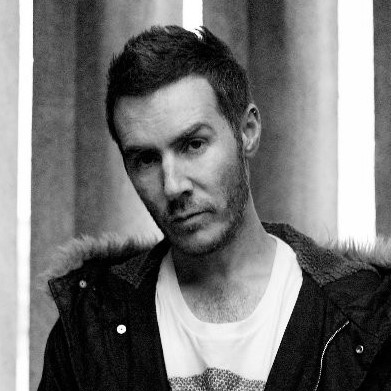
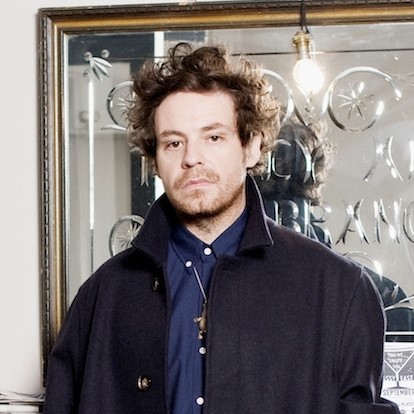
This week, we interview Massive Attack’s Rob “3D” Del Naja and long-time collaborator, Mark Donne to discuss intentional, subversive creation in times of COVID. One such timely creation came about last week when Massive Attack collaborated with Mark and our very own Christiana Figueres to create a sonic experience that evokes an unsettling of the self to expose the dark, dystopian reality that the climate crisis has promised. Based on the backdrop of Sir Thomas More’s 1516 “Utopia” The 3 songs on Massive Attack’s EP “Eutopia” as described in their own words, “have nothing to do with naïve notions of an ideal, perfect world, and everything to do with the urgent & practical need to build something better.”
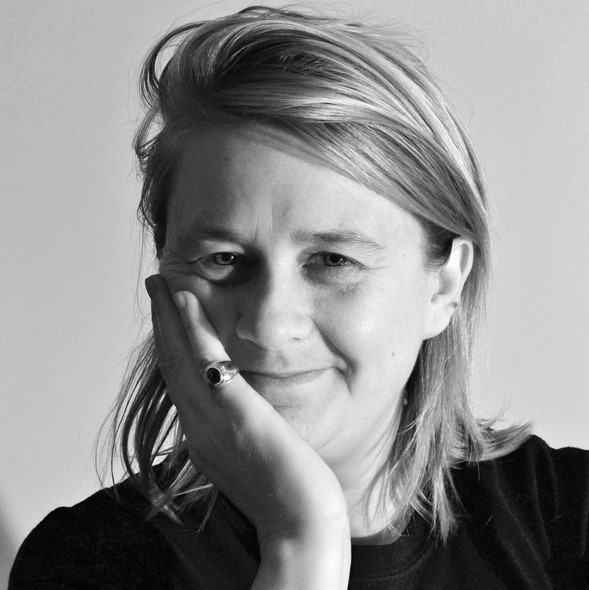
And, as Tom is away on holiday, we are joined by a guest co-host! None other than brilliant author and writer, Saci Lloyd. Saci is a pioneer in the Cli-Fi book genre, and has written the critically acclaimed series, “The Carbon Diaries.” Her quick wit, irreverent pen, artistic spirit, and deep knowledge of everything climate helps us unpack how we should protect and view the role of the artist in a society that so desperately needs them.
—
Massive Attack’s stunning visual creation “Eutopia” featuring Christiana Figueres
—
Saci Lloyd’s Books: https://amzn.to/2B4Of7Y
Her latest book, “72 To Save A Zoo”: https://amzn.to/3fFfo0n
Full Transcript
Transcript generated by AI. While we aim for accuracy, errors may still occur. Please refer to the episode’s audio for the definitive version
00:00:01.160 --> 00:00:06.060
Clay (podcast producer): Okay, so since Tom is gone, Christiana, you'll do the intro whenever you're ready. I'm rolling.
00:00:06.920 --> 00:00:07.640
Paul Dickinson: And we're not nervous. So off you go, Christiana. I'm just being not nervous.
00:00:11.100 --> 00:00:14.260
Christiana Figueres: Hello, and welcome to Outrage and Optimism.
00:00:14.260 --> 00:00:15.480
Paul Dickinson: More Tom. Channel more Tom, Christiana.
00:00:16.620 --> 00:00:17.980
Christiana Figueres: Channel more Tom.
00:00:18.000 --> 00:00:20.620
Saci Lloyd (guest co-host, filling in for Tom): Is that you doing an English accent, by the way?
00:00:20.620 --> 00:00:22.620
Christiana Figueres: No. Okay.
00:00:23.900 --> 00:00:26.180
Paul Dickinson: And in the voice of Tom, remember?
00:00:26.180 --> 00:00:27.560
Christiana Figueres: I was just getting there. I will exaggerate the English accent. Okay. Here we go. One, two, three.
00:00:44.095 --> 00:00:47.815
Saci Lloyd (guest co-host, filling in for Tom): Hello, and welcome to Outrage and Optimism.
00:00:47.815 --> 00:00:49.135
Christiana Figueres: I'm Christiana Figueres.
00:00:49.135 --> 00:00:50.295
Paul Dickinson: I'm Paul Dickinson.
00:00:50.295 --> 00:00:54.095
Christiana Figueres: And Tom is away this week, as you probably already heard. So we are delighted to be joined by a surprise co-host.
00:00:59.035 --> 00:01:00.715
Saci Lloyd (guest co-host, filling in for Tom): Hi there, I'm Saci Lloyd.
00:01:00.715 --> 00:01:01.835
Christiana Figueres: Yay, welcome, Saci.
00:01:01.835 --> 00:01:02.475
Paul Dickinson: Welcome.
00:01:02.475 --> 00:01:03.255
Saci Lloyd (guest co-host, filling in for Tom): Thank you.
00:01:03.255 --> 00:01:15.615
Christiana Figueres: This week, we talk about art and culture as political activism, and we speak to Rob Del Naja from the band Massive Attack, and to Mark Donne, long-term collaborator of Massive Attack. Thanks for being here. So, this is the first time we have Saci on here. Saci, it's so good to have you. For many different reasons, one, of course, is that we have a very, very good, common friend, all of us, our Tessa Tennant, who's sadly no longer with us, but who brought so many of us together in so many different journeys. But for the listeners, Saci is-
00:01:52.705 --> 00:01:57.125
Paul Dickinson: And was your super, super fan, Saci, and just to just, you know, somebody who holds you in-
00:01:57.125 --> 00:02:00.085
Christiana Figueres: Yeah, Tessa was a super fan, so was I, absolutely.
00:02:00.085 --> 00:02:02.365
Saci Lloyd (guest co-host, filling in for Tom): I used to enjoy drinking whiskey with Tessa. She could keep pace with me, you know? One of the few who could.
00:02:06.445 --> 00:02:09.485
Christiana Figueres: I hope you're still drinking whiskey in her honor.
00:02:09.485 --> 00:02:10.245
Paul Dickinson: Yes.
00:02:10.245 --> 00:02:11.325
Saci Lloyd (guest co-host, filling in for Tom): No, I've ditched whiskey. I just drink rum now. I'm a fickle, fickle friend.
00:02:14.485 --> 00:02:16.605
Paul Dickinson: What is the actual difference between whiskey and rum? Or is that like, sure, I'm completely crass, asking that question?
00:02:19.925 --> 00:02:23.585
Saci Lloyd (guest co-host, filling in for Tom): Well, rum comes from sugarcane, it's fermented from sugarcane. I think rum is like distilled, bottled sunshine, joyous. Whereas whiskey is, you know, it comes from the Celtic whisker bit, which means the breath of life. But, you know, it kind of comes from oats and wheat and potatoes. You know, it's a bit of a dur drink, I would say.
00:02:40.745 --> 00:02:42.565
Paul Dickinson: No, no, no, I understand the sunshine. It's not very common in Scotland. Very good. Rum every time.
00:02:45.965 --> 00:02:48.965
Christiana Figueres: Let's say one is tropical and the other is very temperate. How's that?
00:02:50.365 --> 00:02:51.865
Saci Lloyd (guest co-host, filling in for Tom): Okay, diplomat.
00:02:51.865 --> 00:02:55.045
Rob Del Naja (guest, Massive Attack): Yeah, that is, oddly enough, that is exactly what Christiana is.
00:02:55.045 --> 00:02:57.105
Paul Dickinson: She is a diplomat and you can tell. You can tell.
00:02:57.545 --> 00:03:00.365
Christiana Figueres: The most undiplomatic diplomat of the world.
00:03:00.365 --> 00:03:01.825
Saci Lloyd (guest co-host, filling in for Tom): Trying to smooth me out there. Don't smooth me.
00:03:05.585 --> 00:03:12.845
Christiana Figueres: Well, folks, so Saci is not only a very good and longtime friend, but she is a teacher of deprived children. She's a British author of six books now, including all of them actually fall into the genre that you probably have never heard of, but it is a very cool genre called Cli-Fi, which means the fiction that explores the consequences of climate change. Now, Saci is most well known for, I would say, Shasi, maybe two of your books, The Carbon Diaries, that I would love for you to give us a little overview of. It's been translated into 15 languages. Many awards have been won on that book. And then the latest book that you just put out, just such a fun book, 72 To Save A Zoo. It's just totally irreverent and hilarious. And Saci herself calls it a comedy thriller. So Saci, would you like to tell us a little bit about your writing?
00:04:10.245 --> 00:04:12.625
Saci Lloyd (guest co-host, filling in for Tom): Well, yes. Yeah, I mean, I'm like one of those people who peeked too early with The Carbon Diaries because they were very, very successful, those books. They've nearly been made into a film and TV series about 20 times over. There's a script being written again, they're being developed by the BFI. And hopefully this time it will go. I'm trying not to have any hope about it because it's the hope that kills you.
00:04:35.665 --> 00:04:41.445
Paul Dickinson: Famous line from Clockwork, he says, There's a spare, there's a spare I can stand, what kills me is the hope.
00:04:41.445 --> 00:04:47.045
Saci Lloyd (guest co-host, filling in for Tom): Yes, so I'm trying to have no feels at all inside, but I just got a tiny bit of...
00:04:47.045 --> 00:04:48.865
Christiana Figueres: No attachment, Saci, that's it. No attachment. Open to outcome.
00:04:51.965 --> 00:05:01.465
Saci Lloyd (guest co-host, filling in for Tom): Yeah, but I'm sick of it, and I'm sick of seeing horrible books with talentless writers being millionaires and all their works being made into things. So I have to have no feelings whatsoever. But yes, hopefully it's nearly there. The Carbon Diaries really was me. I was brought up on the island of Anglesey in North Wales, and I think what a lot of people in the kind of vanguard of the climate change movement have in common is a very nature-connected childhood. And so I used to spend my whole time fishing down on the rocks, and I never used to catch anything, but I loved it. And I had the rock pools and the cormorants diving into the sea, and I used to watch the sun setting, and it was so beautiful. And then, you know, wind forward 20 years, and I see a documentary about the Gulf Stream shutting down. And it was so visceral for me, this feeling of like, no, it's not an academic idea. It was like, boom, those are my rock pools, my cormorants over my dead body. It was really visceral for me. So when I'm really serious about something, I have to make jokes, you know. So I wanted to write something really funny about the most dreadful thing I could think that was happening. And so I was like, oh, how do I do this? You know, and I did loads of research and blah, blah, blah. And I thought I was a great admirer of the writer Sue Townsend. She wrote the Adrian Mole books. And the great thing in those books is just this awful teenager. And I wanted to write a book not about climate change, because when you care about something, you don't write the book about that. You write a book about something else with that as the background, you know, that's the point. And so I wanted to write a book about a family who... So what happens is it's like 2015, it's the first year of carbon rationing. The UK is the first to go in and everyone's got points, you know, if you want to run your car, if you want to heat your house, if you want to buy a mango as opposed to a dodgy potato from Kent, then you know, it's all got AMRs, it's all got carbon points. So it's this family falling apart in the first year of carbon rationing because suddenly they are very bereft of all their devices and all their separateness and they have to see if they can survive being much, much more together. And that's the central joke of the book really. It's like what happens when you have to get much more real with each other. So it's just a joy to write. Laura wants to be in a band and wants to fancy boys. You have her great evil sister who's had her gap year cancelled, imagine, who's now staying at home.
00:07:37.005 --> 00:07:38.445
Paul Dickinson: Sounds a bit COVID.
00:07:40.045 --> 00:07:42.225
Saci Lloyd (guest co-host, filling in for Tom): You have a mom who's just falling apart. The dad who's been sacked from his travel and tourism teaching job because there is no future in travel anymore. Then the dad goes quite wild and gets a pig and goes all self-sufficient. So it's this story about the family and the whole neighborhood just kind of losing the plot with rationing. I think the main thing to say about it really is that a lot of research came from a time of rationing and the war, and there was a really common thread in the thing about the war, which was once people decide to do something together, and once they decide, we're going to endure this hardship, we're going to fight together, there's a huge sense of happiness and a sense of belonging and togetherness that that releases. Instead of denying it and fighting it and saying, well, they're not doing it, no, no, no. Once you join a common endeavor, so many people say of the war, well, it was awful, but it was the best time of my life. And that's what I think. And I think that of quite a lot about climate change messaging. I understand we don't want to fight. We don't want to scare the bejesus out of everybody, but at the same time, you have to say, come on people, this is a big endeavor now and jump in.
00:09:02.805 --> 00:09:30.305
Christiana Figueres: Well, that's exactly isn't it the role of using arts, whether it's literature or painting or music or sculpture, that is very much the role of the arts in communicating that invitation, that message, making us all feel just a little bit uncomfortable about the fact that we're not doing enough or we're not doing anything at all, and inviting us to, as you say, to join a common endeavor. Marina, as we were preparing for this conversation with you, no, Sharon, Sharon Johnson reminded us that Greenpeace was launched as a result of a big concert way back then. And in the 60s, you know, well, I'm certainly old enough, and most of our listeners are not old enough to remember, but maybe they have read about it. In the 60s, there was a lot of music about outrage, about stopping the war, about sub-stubborn injustices. And a lot of the music and the literature and the art that was put out there was very, yeah, very dramatic, very demanding, aggressive even if you want. And then somehow we went into sort of lovey-dovey stage in the 80s. And are we now coming back to the demanding, really accentuated use of art and culture, Saci, to wake us all up?
00:10:28.525 --> 00:10:30.865
Paul Dickinson: Is this a time of consequences?
00:10:30.865 --> 00:10:31.285
Christiana Figueres: Yes. Thank you, Paul.
00:10:33.405 --> 00:10:34.985
Saci Lloyd (guest co-host, filling in for Tom): Oh, that's a question. Yeah, I think, you know, I just want to say something first, which is, I go to some meetings with you, Christiana, you know, and with some very serious people working at high level. And I'm always amazed that you allow me in the room. I feel ridiculous to be in this room. You're really serious.
00:10:51.125 --> 00:10:54.625
Christiana Figueres: Wait, wait, are you, do you really mean to use the adjective serious? Or would you rather use the adjective boring?
00:10:57.505 --> 00:10:59.005
Saci Lloyd (guest co-host, filling in for Tom): No, serious. I mean, you're like, yeah, but you can't slog it out every day. And your little eyes light up with spreadsheets. And that's the boring bit. Yeah, actually, I'll give you that. But you're there and you're like, yes, and then we convened this and then we went to the next stage and then it'll be phase three. And it's like, oh my God, these women are really doing this. I'm just jotting a few words. It's absolutely astonishing to me. But then on the other hand, I know that when I've done some kind of political activism, that words keep you warm on the picket line, or they keep you fired up to go out again or image. You know, so it's the two things work together. I think that in answer to your question about art and is it becoming more strident and pointed? I think there is an artist space. Like if you look at the work of Bob Dylan, for example, he refused to be co-opted into that kind of Vietnam movement. It was like, no, I'm not doing this. I am an artist first and foremost. And I think his work is more powerful for that because it's not allowed. Yeah, it's not allowed itself to be stratified into sloganeering or just a very shallow thing. The Clash, Rock for Racism in Britain was a classic example. They just played their great tunes and they were known to be anti-racists and very much part of that. But it didn't necessarily feed so much into their work. So I think there's a massive space for that. And I think what you often find is quite, I wouldn't say adjut-prof, but that kind of work, often the art suffers.
00:12:35.965 --> 00:12:48.425
Paul Dickinson: But you yourself, I mean, with literature, you were able to actually make your work directly about climate change in a way that I think maybe musicians or painters wouldn't be able to do. I think maybe you had that unique gift. And yet, this genre that you've practically invented, Saci, do you think that other people will follow it? Or do you think that you were lucky that you were able to find that voice?
00:13:03.425 --> 00:13:04.585
Saci Lloyd (guest co-host, filling in for Tom): I certainly didn't invent this. There's loads of people doing all sorts of stuff. They're really interesting.
00:13:07.605 --> 00:13:10.605
Paul Dickinson: So that does make me look stupid in front of the listeners, but we're going to accept it. Clay will probably leave it in. And I'll just have to have to work with that. But thank you.
00:13:14.245 --> 00:13:15.565
Saci Lloyd (guest co-host, filling in for Tom): But thank you.
00:13:15.565 --> 00:13:16.865
Christiana Figueres: Hold on, Saci, hold on. Let's examine that, because it is, is it not a relatively new genre?
00:13:22.825 --> 00:13:23.405
Saci Lloyd (guest co-host, filling in for Tom): Yes.
00:13:23.405 --> 00:13:36.065
Christiana Figueres: To combine climate, which is absolutely science-based, and fiction, is sort of a contradiction in terms, a delightful creative contradiction in terms, isn't it? But where did it come from? I think you're just being too humble and you don't want to take credit. But if you're not the author-
00:13:44.845 --> 00:13:48.545
Paul Dickinson: That could rescue my reputation as well, which is important.
00:13:48.545 --> 00:13:50.105
Christiana Figueres: Yeah, we're rescuing you, Paul, here. If you're not the author of that genre, for sure one of the first to maybe delve into it with your books, perhaps not thinking that you were creating a genre, but opening up a space of creativity and of messaging and communication that did not exist before.
00:14:10.245 --> 00:14:13.185
Saci Lloyd (guest co-host, filling in for Tom): I'm going to throw you back in the water, Paul.
00:14:13.625 --> 00:14:15.465
Paul Dickinson: I've got one defense, by the way. Go on, bring it on, bring it on. I can take it.
00:14:19.385 --> 00:14:23.085
Saci Lloyd (guest co-host, filling in for Tom): You know, I was listening to the other day, Big Yellow Taxi, Joni Mitchell. I think that's been as bigger influence on me as any single work of art. You know the verse I really love, best of all in Big Yellow Taxi. The first two verses are about DDT and farmers and tree museums and stuff, and then the last verse is just about her husband leaving her. That last verse makes this song, you're like, oh, she's not trying to lecture me, she's just talking about something. In The Carbon Diaries, really what I did was I did absolutely tons and tons of research, and then I buried it in a giant hole, and none of the research was allowed to show at all in the book.
00:15:04.765 --> 00:15:06.985
Christiana Figueres: But it was all in your passive box.
00:15:06.985 --> 00:15:13.145
Saci Lloyd (guest co-host, filling in for Tom): Yeah, but nobody was allowed to say, I just made the reality out of it, but nobody was allowed to talk about it. There were no vegan girls with braces going, hey, let's save the world because I didn't want those conversations there. I wanted everyone to be really right, royally pissed off. They were having all their liberties taken away from them, but it was difficult to do and I wanted them to go for a journey. I think the one thing I'm going to path pull you aboard the boat, Paul, is that I don't think many people write comedy about it. I think that the dystopia thing, I mean, Orwell says dystopia is a lens through which you view society. The best opening line of any book is, it was a cold day in April and the clock struck 13. Perfect, this great already, you see, why is the clock striking 13? What's going on? What's the government done? Something's happened. And so you just twist one little thing in reality for a great dystopia, and then you explore it. But it's not very often that people who write dystopia have a taste for the comedy. And that I might take a tiny bit of credit for.
00:16:21.785 --> 00:16:26.125
Paul Dickinson: Orwell himself, great writer, not so huge on the comedy, although that's not to denigrate in any way. And there are funny bits in Animal Farm. So actually do tell us now about your new book, 72 To Save A Zoo.
00:16:32.685 --> 00:16:37.845
Saci Lloyd (guest co-host, filling in for Tom): This is the only climate change thriller I'm confident to say that stars a stick insect. So it's this...
00:16:39.945 --> 00:16:42.105
Christiana Figueres: Wait, wait, it's a comedy thriller.
00:16:42.105 --> 00:16:42.465
Saci Lloyd (guest co-host, filling in for Tom): Yeah.
00:16:42.465 --> 00:16:46.125
Paul Dickinson: No, it's a serious play about a stick insect, right?
00:16:46.125 --> 00:16:51.645
Saci Lloyd (guest co-host, filling in for Tom): Listen mate, there's going to be a new genre that's very serious about stick insects, but this is the comedy strand. And it's based on the seven samurai or the magnificent seven. And so it's a ragtag group of misfits, the worst animals in the zoo, the stick insect, the smallest is a pygmy mouse, the snarliest is a wolverine, there's a banana slug, all these kind of characters. And the only reason why they're free is because they should have been fed to the others or they were malingering and sick. And basically, it's climate change in a nutshell, and they have to put out the fire in the boiler room, they have to save Penguin World, they have to sort out some flooding, they have to manage the yellow chicken, aka Senor Trump, and they have to, there's a grand finale, and they have to decide which way they want to go forward. Do they want to escape? Do they want to protect? Or do they want to unite? And it's a big finale, and...
00:17:50.185 --> 00:17:52.505
Christiana Figueres: Drum roll, drum roll.
00:17:52.505 --> 00:17:57.325
Saci Lloyd (guest co-host, filling in for Tom): And it's just full of as many jokes and as many drawings as I could put in it. And it's the most fun I've ever had with a book, ever. So that's it, 72 To Save A Zoo, a climate change thriller, Coming Your Way, starring Stacey Blumenthal, Stick Insect, poet, believer, artist.
00:18:13.125 --> 00:18:15.385
Christiana Figueres: And it's illustrated by you, Saci.
00:18:15.385 --> 00:18:17.885
Paul Dickinson: I feel like I've met her now.
00:18:17.885 --> 00:18:23.725
Christiana Figueres: Saci, so now we do have to ask on behalf of our listeners, where can they find this fun book?
00:18:23.725 --> 00:18:26.465
Saci Lloyd (guest co-host, filling in for Tom): Okay, so you can find it on Amazon. That's where you can find it. It's just a vase of kindle at the moment.
00:18:30.205 --> 00:18:35.365
Christiana Figueres: But in these very serious times, a laugh is always a good thing for the heart.
00:18:35.365 --> 00:18:37.785
Saci Lloyd (guest co-host, filling in for Tom): Yeah, when things get serious, the jokes get flying.
00:18:38.425 --> 00:18:49.545
Paul Dickinson: Now, Saci, let me challenge you because I was listening to you recently talking about binding the climate movement, the strength of coming together with one clear vision. And I think that where I'm going with this is, do you think the climate movement will... Is there a climate movement? Should there be a climate movement? Could art help bind it? I mean, your work has done that, but do you see others coming forward or is that a kind of pipe dream?
00:19:03.765 --> 00:19:04.845
Saci Lloyd (guest co-host, filling in for Tom): Of course it's going to happen. The climate movement is gaining momentum daily, weekly, monthly. It's, you know, all the work all of you guys are doing is, it's becoming unstoppable, incredible. Before COVID-19, you know, the tragedy of this, you know, it was the number one thing on the agenda. It wasn't number six on the news anymore. Those marches, those young people, you know, Future for Friday, no, it was massive. XR, who, you know, I don't agree with everything that XR do, but I think that they fill a certain space and they do it really well. And also each movement isn't supposed to fill every single niche. They did that thing. I was on those bridges in Westminster. The most exciting moving thing for me was the old people getting arrested, moving forward to get arrested for the young people on the bridges. And that to me was intergenerational fairness. Right there in front of me. It was so beautiful to see. So, you know, I certainly think with climate change that I don't think that the creative movement behind climate change has really got going yet. In the same way that, you know, let's say to do with Black Lives Matter or Me Too to do with feminism, I think you're seeing a lot of artists, particularly media, creative singers, spoken word people, really, really on it now. And that's really in the mainstream. They're producing great work, really cutting edge, interesting, difficult, tricky, you know, interesting work that's really challenging people. And I think maybe the climate movement has got a little way to go yet. It's still a little bit pan-pipey, you know, it's still a bit folky. It's quite white, the climate movement. Yeah, I know, I had that, yeah. And so it's, which is, you know, when I was a kid growing up in Wales, that they had, it was just the middle class people who revived Welsh. And you know, they weren't cool, they were like awful, and they changed their names, these awful pretend Welsh names. But they kept going for 20 years, and they kept that flame going for long enough for the movement, you know, that Welsh was revived. And I think there is a great niche I would like to shout out for all of those stiff-legged, folk-loving, white climate change people who've kind of got a lot, you know, kept this going when nobody else is interested. Because soon enough, it will catch fire, it will catch fire. And it's happening already. But you know, sometimes you need a ball walk of like uncool people to kind of like go, we care about this, and we don't care if nobody else cares. But it's long, long overdue its diversity moment.
00:21:57.885 --> 00:22:01.785
Paul Dickinson: Yeah, just one thing, I mean, I was speaking to a friend, actually. Well, I went to an event today, but just a young man finished his degree and he did it in XR, actually, and the lack of sort of racial diversity in XR. But of course, you know, if you know what Black Lives Matter movement means, it's not so cool to get arrested, frankly, if you're not white. And I mean, we did interview Israel Hersey, who said to us last year, I think that, you know, white people have to go and demonstrate because when Black people go and demonstrate, they get shot. And that was, you know, someone of color in the US talking pretty clearly about it. Somebody Black in the US talking seriously about that.
00:22:39.045 --> 00:22:52.125
Christiana Figueres: Well, I'm really taken by Saci's observation that climate change in the cultural and art space hasn't quite moved into primetime yet. But we're beginning to see sparks of it. Certainly Saci's work in the written art is definitely a part of that. And I would say Massive Attack has been working on climate change since 1991. And we are just incredibly privileged to have had an interview with them that we would now like to share with all of you. And Paul and Saci and I will be back after the interview. But here's just a little bit of an introduction of Massive Attack for those that are too young. Although I really have a big question mark. Even if you're young, you definitely have heard Massive Attack's productions. So Massive Attack is a Bristol-based group. It was formed in 1988, last century, folks. Still very current band. They're integrated by Rob Del Naja, artistic name 3D, and Grant Marshall, artistic name Daddy G. They actually rose to fame throughout the 90s as huge pioneers, just like Saci was a pioneer in the written genre of science and climate coming together. They were pioneers of a musical style called Trip Hop. But it actually encompasses many different styles and many influences of the band members. They have won many, many different awards. And for our purposes, they have been politically active throughout their careers, supporting many causes that we will speak to them about. But most recently, they have been supporting the XR, the Extinction Rebellion and climate in general. And just recently, they released a three-track EP entitled Utopia that features Algiers, Saul Williams, Young Fathers, along with three of us who did-
00:24:51.485 --> 00:24:54.485
Paul Dickinson: When you say three of us, do you mean you, Christiana?
00:24:54.525 --> 00:24:55.045
Christiana Figueres: Do you mean you? Yeah, yeah, yeah. I mean, I mean me plus the income theorist, basic income theorist Guy Standing and then the economist Gabriel Suggmann. So a pretty interesting combination of topics that they chose for their new release. But we'll talk about that in your interview. Are we ready for the interview? Let's play it. Robert and Mark, how wonderful to have you both here. It's so exciting that both from the band's perspective, represented by Rob, as well as from Mark's perspective, you've both been collaborating for such a long time on, well, what we call activism, but I would love to know what you call it, which is you're using Massive Attack's incredible platform to raise awareness and to educate your audiences about so many different challenges and issues of our time, starting way, way, way, way back. This is not new for you at all. So I would love both of you to talk about that. Why did you decide to use the band's platform, music, and now even beyond music, to educate your audiences and in fact even to reach new audiences with a purpose? What even sparked that idea?
00:26:27.387 --> 00:26:30.187
Rob Del Naja (guest, Massive Attack): I guess to be honest, it came naturally. It was a discourse which was part of my youth really in terms I was very much into punk music. And a lot of the bands of that era spoke in the same way. There was a lot of issues being raised through the punk movement and particularly in Britain at the time, during the Thatcher government, it was a time of a lot of unemployment and unhappiness obviously. And the music was something that kind of helped us express some of our frustrations. So by the time we got into a studio situation, I guess was part of our DNA in a way to feel the same way. And even though we weren't overtly political in our output initially, and even though the name of the band might suggest something a little bit more aggressive, it was always within our kind of culture to want to address issues that we felt were important. I think also thinking about, you know, coming from punk into early hip-hop, it wasn't, and the graffiti art movement, all those mediums, all those different particular types of communication, all spoke of the same things. They had a commonality, you know, in terms of looking for improvement and looking for change, looking for evolution really, looking for things to get better.
00:27:49.087 --> 00:27:54.507
Christiana Figueres: Well, speaking of commonalities, it's an interesting set of issues that you've chosen over time. You have been very vocal about your support for the C&D, for Stop the War, Occupy, War Child, climate change in many different iterations, and now most recently XR. What is common to all of those, or how do you choose from all of the different issues that we can get involved in? How do you choose? And Mark, how do you choose when to get involved with Massive Attack?
00:28:29.307 --> 00:28:39.847
Mark Donne (guest, collaborator): Well, as Rob sort of alluded to earlier, there's never, we don't really ever have a scheme of work or very much of a plan really. These things tend to, I guess we...
00:28:42.667 --> 00:28:44.427
Christiana Figueres: Sounds like this podcast.
00:28:46.227 --> 00:28:48.347
Rob Del Naja (guest, Massive Attack): It sounds like making an album to be honest. Well, keep up the mistakes.
00:28:49.567 --> 00:28:51.447
Paul Dickinson: I mean, the mistakes are going pretty well so far, gang.
00:28:51.447 --> 00:28:54.647
Mark Donne (guest, collaborator): So don't fix it. I guess we sort of have a continuous dialogue about stuff. You know, I'll see something or Rob will see something and we'll share it and we'll talk about it. But then there's always a kind of a point of crystallization whereby, you know, the conversations join up a bit quicker, some sort of totemic event or something will happen. Then I guess, you know, we would then move from that position into, well, and maybe do we want to think about making some kind of intervention? And if we did, what would that look like?
00:29:23.947 --> 00:29:24.527
Rob Del Naja (guest, Massive Attack): Absolutely. I mean, some, I mean, you know, thinking back to 91 and I guess, you know, the track In The Big Wheel, which I co-wrote with Nacheri, it was the first time I've really taken the idea of writing lyrics of what might be considered a serious song. And, and then even then the idea of climate change was slightly abstract. We were probably looking at it through the sort of like the idea of the hole in the ozone layer and things that seem quite sort of distant in the memory now, you know, but the kind of background music of that has always been there. And all the other issues that we've felt keenly that have sort of kept the anxiety levels in ourselves, continually tuned, we're always there. You know, they're all interconnected, obviously. And I think it's one thing like making records and writing lyrics about it. But it's always, I think, as a band, as a person in a band or as an artist or whatever, you always feel the discomfort of knowing that, okay, is that it? Is that what you're doing? You know, it's great to read about yourself and read that you've done something worthy. But what is it? You know, I tend to look up to the people that actually take the direct action and do things much more meaningfully. And I know those people might look at the music and see it as an inspiration or look at similar acts like that. But I think it is, Mark said, when, what can we do next? We see something happening and we feel it and we think, what is it that we can do? And in a band, yeah, you can talk, you can get on stage, you can sing about it. And as you know, the music industry is a carbon heavy industry and we can't stop talking about climate change and singing about it and pleading for change. But we find it very difficult to actually change our own behavior. And I think that's a continual frustration in this kind of strange place of artistry and activism.
00:31:04.447 --> 00:31:05.347
Christiana Figueres: Interesting. Well, we'll talk about the carbon footprint of music and of touring in a minute if you'd like. But I find it so interesting that you look up to those that are basically on the front lines, right? And whereas I am absolutely certain that most people in the climate policy or the climate, you know, activism side would look over to arts and music and the kind of incredibly versatile tools that you have at hand. And, you know, actually look longingly over to the kind of tools that you have and say, oh, we really wish that more artists would take up this cause. Because you reach such much, much bigger audiences. You don't, you know, with your reach, you don't stay within the small tent of climate junkies. And, you know, those of us who have been working on climate for way too long decades, we work within very small boundaries of climate junkies and experts. And you just take it way beyond those boundaries. So if anything, we look over to you and go, oh, how fantastic that they can do that.
00:32:25.747 --> 00:32:34.107
Rob Del Naja (guest, Massive Attack): Well, that's funny because we kind of see the same boundaries in our own sort of like, sort of sector, if you will, because we look at it and go, is this all we can do? You know, what we, you know, is this it? Will anyone ever take it seriously? You know, we're making music about climate change or oppression or, you know, a statement about war, but we kind of have this sense that you're not really having any direct effect on anything and it's slightly futile. So we're always asking, what can we do? Will anyone ever take it seriously? You know, it's great that a reviewer might have noticed a lyric or a point or the fact that at a gig we've worked with a particular group of identities to try and promote a new idea or sort of draw attention to an issue, but we always feel that it's the people like yourself that are actually affecting change system, systemically getting right into the heart of it, are the people we look up to. And we, you're right, you know, there is an enormous platform which mostly goes untapped. And there's also another slight difficulty because now we, like I said, feel uncomfortable about our place in it and about the fact we don't really feel maybe that we are able to do anything more sincere than create a sort of artistic statement. But at the same time, it's a kind of strange balance because if you talk to your fans, the people at the gigs or read the comments on social media particularly, we're continually bombarded with just shut up and make some music, shut up and make some music. For years, I found that frustrating and I thought, well, I'm a citizen, we all need to talk about this and you always fall back to that really great sort of placard. There's no music on a dead planet. You can draw from these brilliant placards you see at the demonstrations. But there's always that narrative in the background, which is you guys just shut up and do what you're here to do, which is entertain us. So that's a bit of a battle and I do get it sometimes. I do get that people came to us because they found something maybe, it provoked something emotional. We're obviously quite well known for doing quite melancholy stuff. And I think personally, this EP we've done with you, Christiana, as a lead vocalist on it, is one of the most positive things we've done in years. Even though it's still some serious issues, it's great lyrics, great delivery. And I think, you know, we often sort of, people would, I think if they were going to use cliches to describe us, would say we're quite miserable at times and, you know, quite melancholy. But people come to us for that, I guess, cathartic release of that stuff.
00:34:45.787 --> 00:34:46.527
Christiana Figueres: Yes.
00:34:46.527 --> 00:34:49.567
Rob Del Naja (guest, Massive Attack): So it's difficult sometimes to keep pushing ideas. And in more recent years of the gigs, we've worked a lot with Adam Curtis, the filmmaker, you know, and some of the content is pretty dense, you know. And I'm very aware that people are coming away from the gigs going, wow, you know, some people are going, that's amazing. It was transformative. And other people are just like, I just want some music. And it's impossible to ever get it right for everybody. But you're right. It's a platform that if you didn't try to do, if you didn't try to utilise in a way that made any sort of, it could affect change, it would just seem like a colossal waste of time.
00:35:21.627 --> 00:35:38.127
Mark Donne (guest, collaborator): Just if you don't mind to add to that, I think that for me personally, the kind of political art, which is always the most interesting and the most engaging is the kind that's not hectoring, it's not sermonising, that is expansive and it's enjoyable. But it's also, for me, for example, if the last Massive Attack show that I saw, which was over in New York at Radius City Hall, and it's like, it's an extraordinary, beguiling audiovisual experience. But none of it to me personally felt hectoring or sermonising. In fact, the opposite, it's a series of exquisite questions and propositions which feed on each other in a way and allow you, in a sense, as the receiver, to take your own control of it and mould what you like or don't mould anything at all. It's a very, it feels to me like a very open proposition.
00:36:17.887 --> 00:36:28.807
Rob Del Naja (guest, Massive Attack): And that's it, it's also the sense that there's a discomfort in actually performing it, making it and also actually being in a room with it. And you know that you're creating something which isn't necessarily entertainment for everybody. But it's that frission really that makes it worth doing, you know, it's that, it's kind of, it gives you the ability to sort of try to communicate and actually send signals and messages out there without, like you said, sermonizing, but you have to create sort of environments.
Load More00:36:49.087 --> 00:36:55.787
Christiana Figueres: Making us feel just a little bit uncomfortable enough to make us think rather than just entertain, right? Did you just nudge us over that little bit? You have to, you know, nudging us into making us just a little bit squirm in our seats as we listen or as we watch.
00:37:09.927 --> 00:37:11.267
Rob Del Naja (guest, Massive Attack): That's the best sort of geek.
00:37:11.567 --> 00:37:18.607
Christiana Figueres: And then, okay, then you engage brain, you engage brain, you go like, whoa, whoa, whoa, what is going on here?
00:37:18.607 --> 00:37:19.067
Rob Del Naja (guest, Massive Attack): Totally. That's exactly it.
00:37:21.267 --> 00:37:27.587
Paul Dickinson: Well, I'm going to, I'm going to, I'm going to like come out as a bit of a fan here and say, I see it a little bit differently. You know, I actually adore melancholic music. You know, I'm really basically a very kind of happy person, but I adore melancholic music. It has a kind of righteous beauty to it.
00:37:36.967 --> 00:37:51.847
Christiana Figueres: And you know, since I have known Paul, which is a long time, he has always told me that and proved himself because every single piece of music that he chooses to share is always on the melancholy side. And it's always been a question mark for me. So now, Paul, now you're going to explain to us.
00:37:56.267 --> 00:37:57.207
Paul Dickinson: Well, I will explain to you. Actually, Christiana, there's nothing wrong. You know, we all live different ways. But my own experience of preparing for this podcast was listening to some lovely Massive Attack, even listening to one of the people who have been on the show, Aurora, doing a cover of a song. And yeah, I've got tears running down my cheeks. And I think there's a sensibility in some of the music you've produced, a sort of empathetic feeling. I think there's an intensity in the music that makes me not at all surprised that you campaign, actually. I think there's a restless heart in there. And people are little, but music is big, and that heart has been so absent from contemporary debate. And what I really love about it is, the funniest thing I think I've ever heard is Christiana saying, oh, nobody really takes us seriously. And then the musicians saying, nobody really takes us seriously. And you got together, and you made a piece of music together. And I'm taking you together very seriously. It's so wonderful.
00:38:53.667 --> 00:38:54.447
Rob Del Naja (guest, Massive Attack): That's good to know. That's good to know.
00:38:55.367 --> 00:38:56.927
Christiana Figueres: With tears rolling down your cheeks.
00:38:56.927 --> 00:38:57.287
Paul Dickinson: That's good.
00:38:57.287 --> 00:38:58.567
Clay (podcast producer): With tears.
00:38:58.567 --> 00:38:59.007
Paul Dickinson: Why not? That's good.
00:38:59.547 --> 00:39:00.607
Rob Del Naja (guest, Massive Attack): That's a winner, man.
00:39:02.087 --> 00:39:04.587
Mark Donne (guest, collaborator): He's chopping onions, isn't he?
00:39:04.587 --> 00:39:06.167
Christiana Figueres: Maybe, maybe.
00:39:06.167 --> 00:39:06.747
Paul Dickinson: No, I'm not. I'm having my heart ripped out, actually. I'm glad about it, and I'm sad about it. And that's possible at the same time.
00:39:13.967 --> 00:39:24.507
Rob Del Naja (guest, Massive Attack): No, well, you know, I totally, I totally, you know, I am emphalized with that because exactly that's, that's to me, you know, trying to make a piece of music which has that effect on yourself initially. When you're making it, you know, if you're making something that you feel that way about and the other people you hope will sort of share that same feeling. And of course, because over the years, we've, we've worked with so many different collaborators and artists, you know, from, obviously, Sharon Nelson back in the day, Sinead O'Connor, Elizabeth Fraser, the Young Fathers recently. And everyone's got their own voice and their own personalities. And they also bring their own personal history with activism and their own culture with them, you know, where they've been, what's been important to them historically and politically over the years. So it's an evolution for us. We're always changing. We never, you know, we don't have the kind of the, I guess, the convenience of just having our sort of place and knowing our point of views and our opinions. They've been challenged by the people we work with all the time, which keeps, keeps the ground really fertile and keeps you, keeps you honest and keeps you pushing for more because you're learning all the time.
00:40:13.367 --> 00:40:21.587
Christiana Figueres: Well, I tell you, joining you on your latest EP, Utopia, has definitely been an evolution for me. If you think that you're in evolution, it's definitely been an evolution for me. And quite a delightful one, I have to say. So thank you. Thank you again. I know that I have thanked you in private, but thank you again in public for the invitation to join you. But let's talk about that, because I actually don't know the story. Why? This is your first release in four years. You chose three topics, climate change, closure of tax havens and universal income, as the three topics that you really wanted to not just say something about, but actually make very strong political statements with music that backs it up and very strong visuals for all three. I would love to know where did the idea germinate? Was it in Rob's head? Was it in Mark's head? Was it you were both out drinking a beer one night and you both came up with it together? How did it come about, even just the idea? And then I would love for you to walk us through how do you produce that? Because that is not something that happens overnight. The detail that goes into the visuals, the symbolism, the rhythm, the music is just unbelievable. So I would love you to A, tell us about the genesis of the idea, but also just the intricacies of this, the collaboration with the other bands, the animations. I mean, it's just incredible.
00:41:56.887 --> 00:41:57.327
Rob Del Naja (guest, Massive Attack): Well, yeah. Well, that's a great analysis of it. And, you know, thank you. Thanks. Thanks very much for kind of feeling that it has that impact, you know, and you're noticing all that detail because you're definitely right. There's so much detail that obviously that we often all take for granted when something's presented, you know, as finished. But it kind of came about, I mean, me and Mark, you know, were speaking like a couple of times a week during the start of the lockdown period. And obviously, because we were speaking a lot about our work with the Tindal climate change research group up until that point, because we had a tour planned and we'll talk about that later. But obviously everything, you know, it was just, that was it. Everything stopped overnight, as you know, and we had to rethink. And I totally accepted everything that was happening. We thought, wow, this is a moment, you know, not only for the music industry to maybe re-evaluate itself and the live music industry to re-evaluate the way it sort of, the carbon it produces. But the main thing was the anxiety, the underlying anxiety for what was going to happen next. Not only, not only through the climate change, the climate emergency, the kind of anxiety of that, but through the economic shock that we're about to experience and how to, how we perpetually seem to never resolve these issues. How, is there a way of looking at freeing up money, which is locked away in tax havens that could pay for something like basic income? Are these things real? Are these things, you know, as Mark would say, they just sort of live in the fringes of arguments as if they were slightly radical, but they suddenly seem certainly central. And, you know, I'll let him expand on that.
00:43:29.207 --> 00:43:33.747
Mark Donne (guest, collaborator): No, I just, you've covered most of it actually, but just to say, I mean, we were having conversations. I think we managed to get into a position quite quickly, Rob, where we were sort of sinking our kind of our exercise every day. We were simultaneously sinking it and wasting it by just sort of chatting about everything. And, you know, that kind of feeling of on one hand being quite frightened and insecure and worried about what was going to happen. And at the same time realizing that all of the things that we've been we've been talking about and others have been talking about for at least 10 years, especially in relation to climate emergency and climate change. Well, this moment had arrived where this sort of international hiatus had been imposed on everyone. Everyone had to stop and think and listen. And then simultaneously, you know, the skies are clear and the roads are empty and I can breathe again. And that sort of, I think we were sort of immediately meditating on two things simultaneously, which actually is where the Thomas More, the sort of seminal text comes in, because it's the duality of feeling hope and, oh my God, is this the moment? Is this the kind of, you know, miraculous hiatus that's going to allow us to communicate and change and everyone's going to see the error of their ways, tinged with we generally forget to do the right thing at the right time as a planet. So how do we fuse this moment into something where we can or can we? It's always, I think I'm right, if I'm right in saying this, Rob, we never sort of feel, well, I personally never sort of feel, oh yeah, this is what we will do. It's always an evolution. It's always maybe this or maybe, you know, which is why, you know, I love working with Rob and Massive Attack is because, you know, they're sort of, to me, they're heart, they're sort of, they're collagists, you know, they're collectivists. And so it's just sort of soaked in opportunity.
00:45:14.147 --> 00:45:15.367
Rob Del Naja (guest, Massive Attack): Absolutely, no, you're totally right. And, you know, I mean, you know, the Thomas More, kind of framing it with Thomas More was something Mark came up with, which really intrigued me because we were talking about these very modern sort of situation, this new situation, this freezing of time and the uncertainty and the anxiety. And then the framing in this something much older and something that was equally as interconnected. And we were like, wow, you know, this is something, isn't it? And as an idea, as you pointed out, collaging is something that we've always done. And so, but it is a question. It's like, can we do this? Would this work? Is it something we could get away with? Is it going to have an impact? Will it be effective? Is it going to be successful as a piece of music, or as a piece of communication? How would it look? And you kind of just, you speculate on it until you start to convince yourself. And then you think, yeah, let's go for it, let's try it. And that's really, I find that's the most exciting moment of any artistic endeavour and any kind of idea of getting involved in something to try and to make either a very small intervention or just to speak up, you know, it's that moment you know it's the thing to do. So we, these things have been in our heads and percolating and materialising all the time and re-evolving. But what was really important here was recognising that we just wanted to be the messengers at this point. You know, we didn't want to deliver it. We could be the delivery mechanism in which people with much deeper thoughts on this could actually send the messages out and transmit.
00:46:38.507 --> 00:46:39.947
Paul Dickinson: That's what Jane Fonda said to us. She said that the famous and great artists are the repeaters. But I do think you're letting yourself off a little bit lightly. I think that you have this, there's some channeling of an intensity of the human spirit, empathy and then need and prioritising that, you know, amongst all these issues. I do salute it.
00:46:59.827 --> 00:47:12.387
Rob Del Naja (guest, Massive Attack): In terms of the depth of it, I do really defer to Christiana and Guy and Gabrielle and Mark, in fact, for a lot of the concept that went into the words that were used and spoken. In fact, it was one of the reasons why I want to put the animated titles in there, because I felt it had to be, because working with Mario Klingerman, who's the AI coder, who builds what you call these generative adversarial networks, which you feed data into. In this sense, we wanted to do skulls and maps and faces, and try and kind of echo the Thomas More texts. But it had to be hypnotic, and the words had to be drawn over that into the visual. So you were constantly drawn, magnetized to it, to what was being said and never distracted. And that was probably the trickiest part of it, to try and, with all those, you've got music, with lyrics, you've got the words of you guys speaking, you've got the visuals and, you know, it could, in one sense, you could make a mess of that and it could be completely distracting, but I think we just about got away with it.
00:48:02.367 --> 00:48:04.607
Christiana Figueres: Well, I think you more than got away with it. I think it's just so effective.
00:48:07.287 --> 00:48:20.167
Paul Dickinson: Okay, so Rob, Mark, a kind of final question, unless Christiana ends up asking you whether you're Outrage or Optimistic, but my question is this, just looking ahead, you know, what do you see, what are you most excited about? Where do you want to go next with this incredibly fruitful collaboration you've got? What's catching your eye?
00:48:28.587 --> 00:48:40.887
Rob Del Naja (guest, Massive Attack): Well, I mean, to be honest, we have started rethinking about our work with Tindal and like taking this moment of pause and reflection to think, well, how do you restart our industry alone, you know?
00:48:40.887 --> 00:48:45.487
Paul Dickinson: I mean, sorry, with the Tindal Center, which is just a bunch of brilliant scientists in Norwich.
00:48:45.547 --> 00:48:46.627
Rob Del Naja (guest, Massive Attack): Exactly. And it is so complicated. It really is. You know, if you start to sort of look at every single layer of it, you know, from audience participation and travel and consumer behavior and then band travel and then the energy requirements and so on and so on, and the waste that's produced, and you start to sort of try to lay that all out in front of you. So, how do you make something like that work? It's really complex and that's why we went to Tindal because they're experts at this stuff and they will, through being able to sort of like help us map out our kind of behavior really and be able to guide us and help us modify and make corrections, hopefully we'll be defined some way of correcting the way the industry works. And one thing that Mark had drawn on very quickly from this when we started researching this is that a lot of this stems, it comes from licensing. You know, you can't really force change in, I mean, we're talking about what we call the Festival Industrial Complex. It's a massive, massive industry. And to try and change that, it's such a stubborn thing with so many barriers because obviously there's lots of vested interests. The first things we try and do is try to remove all the sponsors that shouldn't be there, do you know what I mean? And we've always done that over the years. There's always been a battle to go, well, why are these people got the name of the door here? It's not right, it's not relevant, it shouldn't be taking money from them. And that's always been a challenge. But now the challenge moves into a more, I guess, slightly more targeted approach, looking at how do you license an event if the carbon emissions are at legal levels? How is that possible to license that event? Why is that event getting a license? And we're very aware, and I'm very aware, that there's an industry which I've done very well out of, and we've had a long career, and lots of bands are starting up, and I'm very aware that you don't want to bite the hand that feeds you or seem ungrateful, but I think all the other bands, the newer bands, would be very, very happy to be inheriting an industry which behaved in a much more responsible way. Which had a much better impact. We would have been. If we'd been given the opportunity, when we started out, to look at things in a different way or to be given the opportunity to choose, do you want to do it this way or that way? This is the better way, you know. And obviously, a lot of it is about how you afford to tour and travel. And it's always going to be something to do with the bottom line in a lot of areas. But there are different ways of making really meaningful changes in our industry. And that's what I guess we're looking forward to doing.
00:51:20.027 --> 00:51:22.227
Christiana Figueres: Well, so I thought that I had the closing question. But now you've tempted me to ask a previous to the final question. Because I just wanted to ask you to go a little bit further into that from both of your perspectives. We do know that you have been working quite a bit on the carbon footprint of music making and certainly of touring. So I guess the question is, you know, why the Tyndall Center? What are you planning to do? Do you think that there truly is an opportunity to basically revolutionize and I wouldn't say even just music touring. I mean, it would be all kinds of travel and all kinds of events, basically events, right? And we have come down incredibly, not because we wanted to, but because we were forced. We have just dramatically reduced the carbon footprint of all events around the world, either because they were canceled or because they were made virtual. And now there is so much technology that has been developed for this. But of course, all of that technology has its limits. So where do you see the creative space between the limits of the technology that we're all using now, whether it's Teams or Zoom or Blue Jeans or whatever, and the kind of events that we used to do, which are fantastic for our souls but irresponsible for the planet. Where is that creative space in between? Have you found it? Do you have it in mind?
00:52:59.647 --> 00:53:00.307
Rob Del Naja (guest, Massive Attack): Well, it's interesting. I mean, I'll pass this on to Mark on Tindall, because he's got a lot of good things to say about what we're hoping to do. In terms of the technology and in particular, the virtualization of gigs and events, that's obviously evolving all the time. But of course, there's something to be taken to account that all that data and all those servers take up a lot of carbon too. If you look at this whole period of lockdown where massive amounts of adoption of social gaming platforms, streaming television and music platforms, all that sitting on servers, and it's all using fossil fuel energy. That needs to change. That's something which we're talking to renewable companies about in the UK, particularly Ecotricity, about how we can create a new server systems and a whole new server data centers which run purely on renewables and actually create legacy infrastructure for other sort of music industry server systems.
00:53:57.887 --> 00:53:58.887
Mark Donne (guest, collaborator): That's brilliant. Yeah, and just a note on the Tinder project itself. I think we realized quite quickly that we couldn't start with where is the festival or who is the promoter. We had to start with a much bigger concept. So we immediately went to the Tindal Center Climate Scientists to evaluate where these emissions are mostly coming from. And then within the first kind of month, it's very clear when you look at, you know, the first sort of bigger events, it's estimated 80% of emissions are coming from transport. So you can't go to a festival or a promoter, you have to go to a city. So we went to Liverpool being a sort of innately political city and said, come on then, if we are going to test out a kind of, for want of a better term, an exemplar event, a kind of pilot by behaviour, are you going to come with us? And so really the plan is that simultaneous with the analysis that's conducted by the climate scientists as they reach new conclusions, for example, or having a ticketing system which is tied to a train ticket, which is tied to an electric bus, or I guess for me, what Tindall specialises in is getting different sectors to talk to one another rather than trying to autonomously find a solution to something. So by starting from the macro and saying, okay, then city authorities, then we speak to the transport people. And we have to do that, you know, because the music industry is particularly, it's a kind of, it's very monopolistic, it's all kind of sewn up. So you have to do it in the cracks. And then when you get somewhere, you're able to go, ha ha, here we go. This is, we're going to try this out. And that's really, in fact, if anything, the proposition for both the Tinder report and the show in Liverpool, which will now be next year, if anything, the scope has got more radical because of COVID-19. In fact, we're now in a dialogue with transport companies, power providers and the city authority to say, well, let's dare it further. This is a moment of opportunity. Let's dare that much further. Let's have more cross-fertilising conversations and see if we can pull off something which feels fun and exciting and engaging. And again, going back to not being hectoring or sermon, something which is actually familiar to you and really, really enjoyable. But actually it's so compelling that this is the model now and there's no way back.
00:56:17.147 --> 00:56:30.287
Rob Del Naja (guest, Massive Attack): And in that sense, what would be great about that is that if that model is recognized by that particular, say Liverpool, Liverpool Local Council Authority, then there'd be no reason why any other local council authority in the UK wouldn't say, well, that is the model. That's the way forward now.
00:56:31.507 --> 00:56:33.367
Christiana Figueres: You've established the standard.
00:56:33.367 --> 00:56:34.047
Rob Del Naja (guest, Massive Attack): Exactly.
00:56:34.347 --> 00:56:35.247
Mark Donne (guest, collaborator): Exactly right.
00:56:35.247 --> 00:56:38.987
Christiana Figueres: Well, I totally love that phrase that you used, dare it further. May I quote you and steal it, but I will always recognize the authorship. But dare it further, it's such a fantastic phrase that encapsulates what we have to do now.
00:56:50.267 --> 00:56:51.007
Clay (podcast producer): Dare it further.
00:56:51.007 --> 00:56:51.747
Rob Del Naja (guest, Massive Attack): That's why I work with him. I'm always stealing things like that from him.
00:56:53.467 --> 00:56:55.247
Clay (podcast producer): Oh, okay.
00:56:55.247 --> 00:56:58.027
Christiana Figueres: Do you recognize his authorship, though, in public?
00:56:58.027 --> 00:56:59.327
Rob Del Naja (guest, Massive Attack): Of course I do. Yay. Especially after a few drinks.
00:57:02.267 --> 00:57:03.967
Paul Dickinson: Very honorable people both. Look, what I've learned so much today is not just, you know, an appreciation for your extraordinary artistry, but the degree to which your social activism is incredibly well thought through and effective. A last question. This is the Outrage and Optimism Podcast. You've been very kind to give us so much of your time, but we must ask you, are you more outraged or more optimistic?
00:57:27.827 --> 00:57:29.487
Rob Del Naja (guest, Massive Attack): Can you oscillate between the two? A bit like permanently?
00:57:30.427 --> 00:57:31.667
Christiana Figueres: We all do. Good.
00:57:31.887 --> 00:57:32.647
Rob Del Naja (guest, Massive Attack): But that's me then. I'm afraid I'm the eternal oscillator.
00:57:38.687 --> 00:57:42.067
Mark Donne (guest, collaborator): What's happened to me in the last six months is I've lost outrage. I've always been an optimist and I've always been very, very outraged. But I think for me, I was thinking about this a minute ago, outrage has been replaced by insult. So I either feel optimistic or I feel insulted. Just because my view is now that everyone, this is incontrovertible, the evidence is clear, we all know what to do. So unless you are doing it, unless you are acting it, without sounding too severe, you are prevaricating, you have to act, we now need to see actions. So if I see any identity, be it an obvious one like a fossil fuel company, saying they are going to do a sky scenario or whatever it's called, which is hopeless, or I see a media outlet, or I just feel insulted now. And I deal with it the way I would always deal with insult.
00:58:28.927 --> 00:58:29.767
Christiana Figueres: Wow. Well, you're challenging us to at least consider changing the name of the podcast.
00:58:34.227 --> 00:58:36.447
Clay (podcast producer): Yeah, exactly.
00:58:36.687 --> 00:58:51.527
Christiana Figueres: I think we would all, the whole team would agree with you that, yeah, that we're going beyond outrage to feeling individually and collectively insulted and just absolutely furious. Guys, thank you so much. Thank you very, very much for taking the time today. It was a very short notice for you to make the time on your very busy calendar. So thank you for doing that. Thank you for the release of the EP. I have to tell you, my daughter's estimation of their mother has gone through the roof. Thank you to you. So thanks very much for that.
00:59:14.967 --> 00:59:16.167
Paul Dickinson: That means a lot to Christiana. That means a lot.
00:59:18.087 --> 00:59:20.667
Christiana Figueres: That's where I measure myself constantly. So thank you for that. And thank you for everything that you've done. And especially because, you know, through this conversation, we realized that you are keeping your nose here really to the stone and will continue to work through so many of the difficulties, but you know, no stubbornness and will keep us moving forward and dare us further. I totally love it. Thank you very much.
00:59:51.987 --> 00:59:52.747
Rob Del Naja (guest, Massive Attack): Thank you for having us. No, thank you. Seriously.
00:59:54.007 --> 00:59:54.427
Clay (podcast producer): Cheers. Bye Mark.
00:59:55.747 --> 00:59:56.327
Mark Donne (guest, collaborator): Take care.
00:59:56.327 --> 00:59:56.727
Rob Del Naja (guest, Massive Attack): Bye guys.
01:00:03.901 --> 01:00:06.921
Christiana Figueres: Okay, you guys, so that was a fascinating conversation. I really enjoyed it because it took me out of my usual thinking box into, for what me, is outer space, which is precisely the space of art and culture where we were with Saci at the beginning, and now even deeper into this conversation. Well, what do you guys leave that conversation with?
01:00:30.561 --> 01:00:37.281
Paul Dickinson: Well, you know, I kind of revealed myself to be a little bit of a fan, I guess, of the music. I mean, I love all music, but I love the music especially. And just one little thing, I've developed this thing that I'm calling Paul's Poetry Corner, where I use other people's poetry as my own. And I did that on a recent episode with a little poem about extinction. And here, I want to talk about a song called Protection by Massive Attack. And I was just looking at the singer, actually, Tracy Thorne. She wrote the lyrics for it. And she'd got the music. And she said she had to listen to it for days before she could handle anything. And then she said, suddenly, she wrote the lyrics in 10 minutes. And she said it's the favorite thing she's ever done. She's never changed a word. She said that it was like a hole into which my voice slotted like a key. So here is Paul's Poetry Corner. I'm not going to sing. I'm not trying to try and... But I'm going to evoke that those lyrics in the song Protection, for me, speak a little bit to the work, for example, of you, Christiana, dedicating your life to these things. Let's see if I can get through it without blubbing in the heaps of tears. So a few little extracts from the song Protection under the name Our Planet. I know you want to live yourself, but could you forgive yourself if you left her just the way you found her? I stand in front of you. I take the force of the blow, protection, and I've leaned on you for years. Now you can lean on me. And that's more than love. That's the way it should be.
01:02:09.641 --> 01:02:10.841
Christiana Figueres: Nice.
01:02:10.841 --> 01:02:14.121
Paul Dickinson: Well, the key of my poetry corner is I'm not actually writing the poems. I'm reading other people's, but okay. Thank you.
01:02:16.981 --> 01:02:20.281
Christiana Figueres: I'm kind of getting to like your poetry corner.
01:02:20.341 --> 01:02:21.721
Paul Dickinson: Saci.
01:02:21.721 --> 01:02:24.401
Saci Lloyd (guest co-host, filling in for Tom): Yeah, I think those guys are dudes, you know. It's the same as I said about Journey Mitchell. They're artists, you know. And those songs are so profound and melancholy and beautiful and all encompassing. And they take you, they're not sloganeering. They're not taking you from one thing. They're taking you, allowing a really broad resonance of emotion and, you know, time and space. You know, the new pieces are obviously more focused with the speeches, but even then, within that, you know, you have all those lyrics and the other, you know, the music around it. I mean, they're true artists. They're geniuses. They're amazing. You know, they really are. And, you know, like I say, you know, you know what they stand for in there, they say what they stand for very clearly, you know, they're public supporters of lots of very left-wing causes. But in their music, mostly, that is the artistic realm, I would say. And I think that their work is all the better for it. They're amazing, you know.
01:03:28.741 --> 01:03:49.741
Christiana Figueres: Well, now, Saci, I have a little, I'm going to push the envelope a little bit here with you, because before the interview, you know, do you remember that you were saying, well, using art, whether it's music or painting or writing, as a political tool for activism has not become primetime. And when you said that, I remembered that when we interviewed Ellie Golding, she said that when she became political, and she has about several issues, including climate, she lost followers. And she said, you know, if she loses followers because she's standing for issues that she really believes in, then so be it. She's not going to sacrifice her standing on issues because of losing followers, which I thought was a very courageous position of hers. But if I put those two things together, you're saying that we're not on primetime yet. Ellie's saying that she has lost followers because she became political. And now Massive Attack very courageously, you know, with a very sharp musical sword coming in to make their statement. Are we moving forward into primetime with the role of art in political activism?
01:04:51.361 --> 01:04:52.721
Saci Lloyd (guest co-host, filling in for Tom): You're asking me this?
01:04:52.721 --> 01:04:55.101
Christiana Figueres: Yeah, I'm asking you, Saci.
01:04:55.101 --> 01:04:56.621
Saci Lloyd (guest co-host, filling in for Tom): I don't know. I think in the end, artists write about what's inside them and they produce work based on what they must talk about, what they must paint, what they must write, what they must sing. So if those political feelings they have are superficial, then they can produce some work from it. But it's not visceral. I don't think it's so powerful. But when it's something that's at your very core, but you cannot live without speaking about it, then you must produce that work as an artist. Now, of course, some artists are better than others at expressing those things. Some people will have the ability to be able to make it universal. I was watching Dolly Parton yesterday, and she was singing loads of songs about her Tennessee family and the kettle boiling, and then they're like, don't sing a song about kettle boiling. Nobody cares about your kettle boiling. Sing about love, and then bam, she goes back and she writes, I will always love you, and that became the song really, and it's exactly the same song about her mother, the kettle boiling was about her mother, and I will always love you was her in Port-au-Wagon. But it's a different way to express the same thing. In the end, you're going to write and sing about the things that you cannot be silent about.
01:06:30.281 --> 01:06:31.581
Paul Dickinson: That is so beautifully put. And I think there's just one other dimension to this that I want to kind of share that, you know, where I live in Brighton, we'd have thousands of starlings flying over the pier. And I was very interested in their movement. I would love to listen to a string quartet and watch them. And a friend of mine said, Your eye will find the dance in the starlings. Your eye will find it. And I think that's what's happening here. You know, Saci, you talked about the Gulf Stream shutting off. I mean, actually, that's what got me into climate change. Somebody said the Gulf Stream is going to shut down. And I'm like, I could see my own childhood taken away from me. And that's when these words started to mean something. I don't know if it's what Tracy Thorne was thinking when she wrote it. But I'm like, could I forgive myself if I left her just the way I found her? You know, I've leaned on her for years now. She can lean on me. You know, it's more than love. It's the way it should be. It's something about duty in the heart and the soul. And the music just touches it and the eye finds it.
01:07:24.841 --> 01:07:25.901
Saci Lloyd (guest co-host, filling in for Tom): Yeah, it's limerence. It's a beautiful thing. I mean, you know, it's when crazy kids get into their basement and cook something up. That's when the great stuff really happens.
01:07:33.041 --> 01:07:34.261
Paul Dickinson: That's so true. That's so true.
01:07:35.241 --> 01:07:42.701
Saci Lloyd (guest co-host, filling in for Tom): That's when it gets weird when you got a kid dressed head to toe in recycled plastics singing shit about climate change, but not mentioning it at all. That's when you know, whoa, this has just happened. I think the one thing I would say about kids and climate change is that I think we come from a generation where we, you know, a lot of the early, well, you know, early climate people were, came from a very nature loving childhood. And I think now a lot of children come from a very nature anxious childhood. So I hope that there's enough rich soil for them, you know, anger and fear and frustration are great starting points for creativity. But there must be a wellspring of of like love and like, oh, I just want to tell you this, this, the way, you know, this thing moves me. And I hope that the younger people who are into climate activism have take time to let nature take care of them, to fall in love with nature themselves, because I think that's another really important ingredient. Anger is great reason to write a song, but love is even more powerful to write a song.
01:08:41.421 --> 01:08:42.201
Christiana Figueres: Yeah.
01:08:42.201 --> 01:08:43.601
Paul Dickinson: Wise words, Saci. Thank you.
01:08:44.521 --> 01:08:53.801
Christiana Figueres: Saci, how beautiful to hear you speak, that anger is powerful and love is even more powerful. And the two actually interact so incredibly with each other, don't they? And I actually have the sense that there is a lot of that realization happening now with COVID, that we are all, not all, but so many of us are realizing, oh my God, what we really need in our lives is direct contact with nature. We have to go out there. We have to hug a tree, for heaven sakes. And especially those who are cooped up in four cement walls are just absolutely so thirsty to go out there. So maybe, you know, of the many different transformations that will come out of this very weird time in human history is a deeper closeness with nature. But because you talked about both anger and love, I cannot but avoid the question that we usually like to close our episode with here as Saci, which is the reason why our podcast is called Outrage and Optimism is because we believe that we have to be outraged about everything that we haven't done yet. And at the same time, optimistic about what we are doing and how much more we can do. So, there is either a short or a long distance between those two. And I would just love you to place yourself. If those were the two ends of a stick or the two ends of a little rope, where would you place yourself?
01:10:29.081 --> 01:10:31.901
Saci Lloyd (guest co-host, filling in for Tom): I would say I'm 51% optimistic. I'm the 1%. That's all I can manage is the 1%. But I refuse to ever become 49% optimistic. I will always be 1%. I'm like the shareholder, the person who has to control the optimism. Shares. I will not lose my 1%. Because if you lose it, if you lose the optimism, what's the point? You might as well give in. You got to keep on fighting. You've got to keep... In the words of Harvey Milk, you've got to give them hope. And in terms of outrage, you know, I think it's a spectrum. And I always have, for me, my personal heroes are the Arctic 30, those people who went up to the Arctic and they got arrested and stuff. And I have their picture up on the wall all the time for me. It's to remind me to be braver and bolder. And you know what really touches me about those people, this whole bunch of them had children, really young children, the same age as mine, and they still went up and they still got thrown into the Russian gulag for that. So they're my outrage-ometer for like how to be angry and act. But in the end, you know, and I find myself very, falling very far short of them, but I like to have them there as a kind of vacuum to move me towards more anger. But in the end, it's got to be about love and hope. Those are the things that really, really move me.
01:11:55.341 --> 01:11:56.321
Christiana Figueres: Wow. Well, the 51% woman, I totally love it. Saci, thank you so much for jumping in here and really being so generous with your insight and your humor and your knowledge of the arts world. Thank you so, so much. Paul, do you want to take us out? Well, how do we finish the episode?
01:12:19.521 --> 01:12:24.761
Paul Dickinson: Well, in a rather special way, alongside me thanking you also very much, Saci, thank you for your time. So we have Massive Attack and actually an extract from their extraordinary new three-part EP, Utopia. This is Massive Attack with lead vocals from Christiana Figueres.
01:12:39.721 --> 01:12:40.401
Saci Lloyd (guest co-host, filling in for Tom): Yeah.
01:12:40.401 --> 01:12:43.181
Christiana Figueres: Who cannot sing from the wife.
01:12:43.181 --> 01:12:44.501
Saci Lloyd (guest co-host, filling in for Tom): She can talk though.
01:12:44.501 --> 01:12:45.161
Christiana Figueres: She can talk. She can talk.
01:12:47.021 --> 01:12:49.521
Paul Dickinson: It is a very beautiful and very magical thing. Please look in the show notes for the video, but we hope you enjoy this extract now. It is a wonderful piece of music. Thank you so much for listening and we will see you next week.
01:12:57.861 --> 01:12:58.161
Saci Lloyd (guest co-host, filling in for Tom): Bye-bye.
01:13:43.930 --> 01:13:49.290
Christiana Figueres: deepening economic disorder and accentuating social suffering. In emerging from this, everyone can play their part, individually and collectively. The future we choose should be one of resilience, starting with aligning the food system to the four principles set out by the FAO. Availability. Access. Utilization. Stability.
01:14:29.190 --> 01:14:33.150
Clay (podcast producer): So there you go, another episode of Outrage and Optimism. The music you just heard is a teaser of the first track off of the latest EP titled Utopia by Massive Attack. The song was done with New York City rock band Algears, and it was co-written and produced by Robert 3D Del Naja and Mark Donne, featuring lead vocalist Christiana Figueres. There is a stunning music video with the full song you can check out, with visuals done by AI visuals pioneer Mario Klingerman. I could try to describe it to you, but you really just need to experience it for yourself. I put a link in the show notes for you to click, so go check that out, and when you're done, there's two more videos and songs for the Utopia EP you can indulge in. So again, link in the show notes. Go check it out. Okay. Outrage and Optimism is a production of Global Optimism and is produced by Clay Carnell, an executive produced by Marina Manzillier-German. Thank you to our team this week, Sarah Law, Katie Bradford, Laura Richardson, Sophie McDonald, Fran Newman, Sarah Thomas, and Sharon Johnson. Special thanks this week to Mark Picken for making our interview with Massive Attack happen. Thank you to Robert 3D Del Naja of Massive Attack, and Mark Donne as well for being our interview guests. Of course, a huge thank you to our special guest co-host, Saci Lloyd. Saci has some Clifi books that you need to purchase and add to your summer reading list. Titles like The Carbon Diaries and her latest work 72 To Save A Zoo. On a personal note, she is one of the wittiest and most funny people I have ever met. I cut out a lot of it in the episodes you can't hear, but I was laughing constantly in the background of our recording session over Zoom. Link is in the show notes to her books. Get reading. And yes, we love to see your digital self on Instagram, Twitter, and Facebook at Global Optimism, where you can read, share, check out what we're doing, and communicate with us. And if you love the podcast, please hit subscribe and leave a rating.
01:16:29.410 --> 01:16:30.430
Christiana Figueres: Thank you.