









72: No Room for Being Cynical with Ted Danson
Plenty of outrage this week after the first U.S. Presidential Debate and disappointing news about the biodiversity pledge.



About this episode
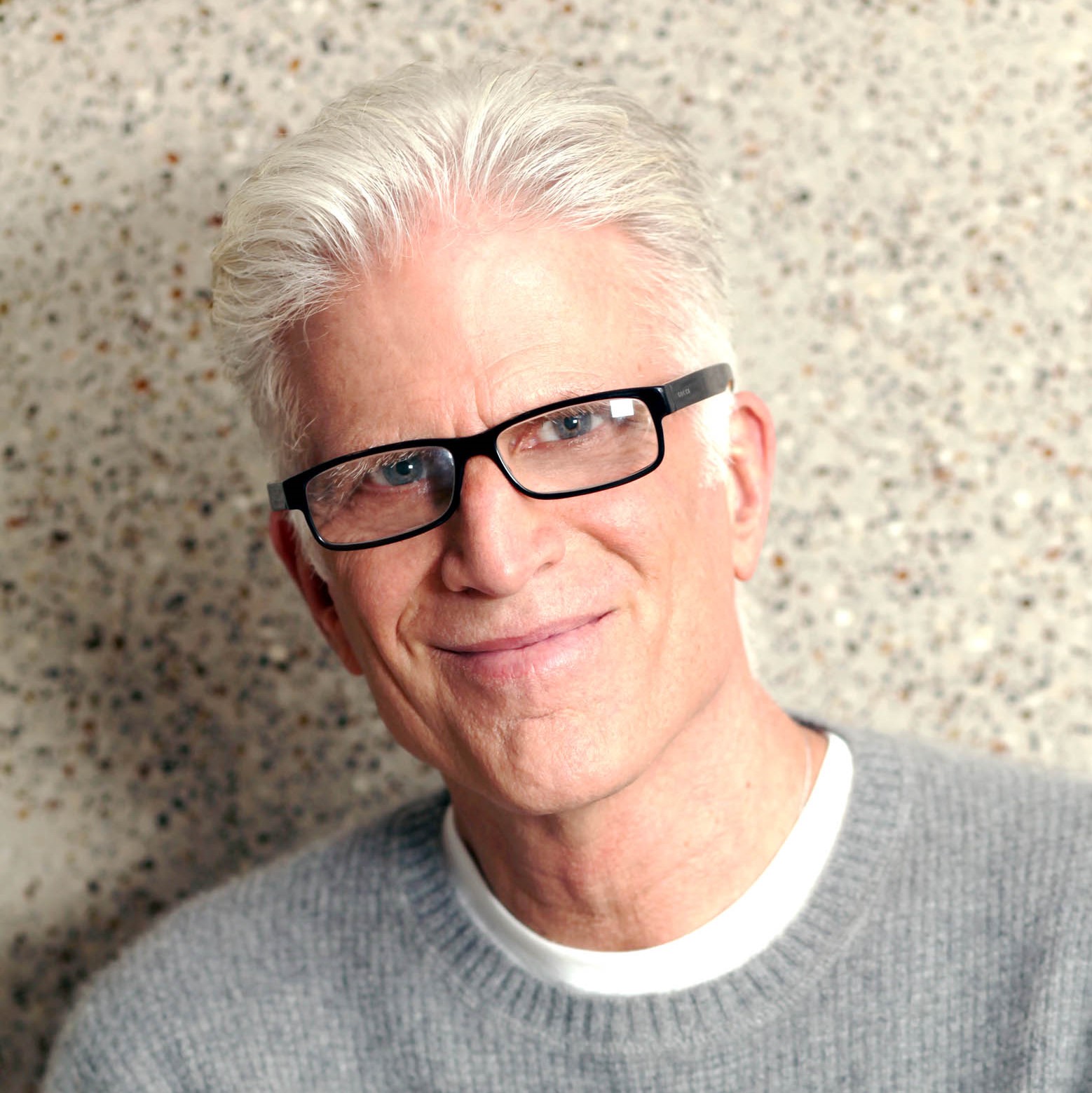
Plenty of outrage this week after the first U.S. Presidential Debate and disappointing news about the biodiversity pledge. But a conversation with Ted Danson offers hope and insight from his remarkable life and commitment to the worlds oceans.
When Ted met environmental lawyer Bob Sulnick he become involved in a movement to prevent digging for oil wells in Santa Monica. Buoyed up by the victory, Danson accelerated his involvement by helping create the American Oceans Campaign in 1987, which eventually became Oceana in 2001.
You can learn more about Oceana by visiting them here
—
Our special musical guest this week is Jelani Blackman
Full Transcript
Transcript generated by AI. While we aim for accuracy, errors may still occur. Please refer to the episode’s audio for the definitive version
00:00:12.192 --> 00:00:13.972
Tom Rivett-Carnac: Hello, and welcome to Outrage and Optimism. I'm Tom Rivett-Carnac.
00:00:15.092 --> 00:00:16.512
Christiana Figueres: I'm Christiana Figueres.
00:00:16.512 --> 00:00:17.652
Paul Dickinson: And I'm Paul Dickinson.
00:00:17.652 --> 00:00:21.212
Tom Rivett-Carnac: This week, we talk about the global effort to protect nature. We speak to actor and oceans activist, Ted Danson, and we have music from Jelani Blackman. Thanks for being here. So one of the best times of my week is when I go online and I look at the recent reviews for Outrage and Optimism, and I've got to say they're generally fantastic, but this week one cut through to me where someone said, love the Optimism, but you guys were a bit short on Outrage. So I thought we could maybe start with a little bit of Outrage this week. I don't know about you.
00:00:50.112 --> 00:00:52.972
Christiana Figueres: Oh my God, do we have material for that one?
00:00:52.972 --> 00:00:54.012
Paul Dickinson: Oh, what can that be?
00:00:54.012 --> 00:00:54.772
Tom Rivett-Carnac: Let me see. Let me see.
00:00:55.972 --> 00:00:57.932
Christiana Figueres: What were you all doing last night?
00:00:57.932 --> 00:00:58.332
Tom Rivett-Carnac: Was it?
00:00:58.752 --> 00:00:59.712
Paul Dickinson: I'm trying to remember. Oh, hang on a second. There was a TV event, wasn't there? Of sorts.
00:01:04.092 --> 00:01:14.092
Tom Rivett-Carnac: So first of all, did either of you, because personally I watched five minutes and it felt like someone was soaring the top of my head off with a hacksaw and spooning out whatever was inside and I just couldn't bear to watch anymore. Were you able to endure it sufficiently to watch some?
00:01:16.512 --> 00:01:16.972
Christiana Figueres: I did. I did. I watched it soup to nuts.
00:01:20.052 --> 00:01:21.712
Tom Rivett-Carnac: Christiana, how are you still with us?
00:01:21.712 --> 00:01:22.232
Christiana Figueres: I know.
00:01:22.232 --> 00:01:22.672
Tom Rivett-Carnac: Come on.
00:01:23.692 --> 00:01:27.472
Christiana Figueres: Do I get all brownie points of everyone on this podcast?
00:01:27.472 --> 00:01:28.452
Paul Dickinson: I don't know what color they are. You've probably got lots of them.
00:01:29.652 --> 00:01:31.452
Tom Rivett-Carnac: All right, Christiana, go for it. Give us your feedback.
00:01:32.892 --> 00:01:35.832
Christiana Figueres: Well, you know, honestly, it's difficult to find words. It really is difficult to find words to see the supposed head of the largest economy in the world acting like a one-year-old. It's just beyond description. The way that, I mean, bully, irresponsible, disrespectful. He bullied Biden, he bullied the moderator. None of the things that he said make any sense. I mean, it was truly outrageous. Now we know why the title of this podcast is Outrage and Optimism, because that was completely outrageous. If anybody asks me, so give me an example of outrageous, I'll just send them that link of last night.
00:02:29.132 --> 00:02:37.392
Paul Dickinson: I think, Christiana's finished, for those who aren't on Zoom and able to see this, there have actually been actual flames coming out of Christiana's ears, which is interesting, I've never seen that before. Kind of like a sort of dragon of the mind. But a fierce but justified comment on an outrageous moment in human history. And if I might add my two pennies worth, there was one good thing maybe, climate change was discussed, that was good, but certain behaviors over time have simply cheapened the office of the presidency. You know, this idea of the dignified and the efficient part of government combined in the US presidency and it is not looking dignified. People are going to lose trust in the whole enterprise. There was a willful attempt to undermine public confidence in the election process. And this is playing with fire. And I don't know where it's going to end up, but it is pretty unbelievably terrifying. You know, states are supposed to represent something like the best of us. You know, like monarchies and religions or whatever. They're the ways of expressing ourselves. But, I mean, look, metaphorically, I think Trump is a kind of undercooked bat. And now a virus has jumped from the reality TV kingdom into the sort of human political kingdom. So we're now forced to keep six feet away from us in terms of recent discussion. And what's the vaccine? I think that the movement of movements that we're all part of, I think we can kill this virus with discussion, with collaboration, with action. The union makes the force, and there's a dignity in action that has to take us back from this precipice of disaster.
00:03:58.612 --> 00:04:05.272
Tom Rivett-Carnac: I mean, and just to turn to climate, because I agree, and I guess it's the it's the undermining of the electoral process that's truly scary, right? You know, that's the piece that is genuinely just self-serving. That's where you're messing with fascism. And you know, endorsing white supremacy, we go on and on, right? I mean, the climate piece in our little world, Donald Trump, you know, people are making a big deal out of the fact that he said, to a certain extent, I think, yes, when asked about whether climate change was happening. I mean, who cares, right? He's not going to do anything about it. And the trouble with him is he talks in these vapid generalizations about issues that kind of signals to people. I mean, he said, oh yeah, we're going to have crystal clean water and beautiful air and the lowest carbon. None of it means anything, right? It's just these signaling noises that he puts out while he pursues a completely different agenda. And he's prepared to chuck rocks at the entire edifice if it's in his own interests.
00:04:50.892 --> 00:04:57.552
Christiana Figueres: So let's just get over our ranting and then I'm going to say something that attempts to be constructive. Attempts.
00:04:58.532 --> 00:05:01.512
UNIDENTIFIED SPEAKER — please verify: But first, I think I know I think we better move on.
00:05:01.512 --> 00:05:04.872
Tom Rivett-Carnac: Go for it, because we're actually going to talk about protecting nature, which is much more exciting on this podcast. So you bring something together.
00:05:06.752 --> 00:05:09.132
Christiana Figueres: So I'm trying this morning. I woke up and I meditated and I went, right. What can we say and think that is constructive about that? So here is my best attempt at being constructive.
00:05:20.112 --> 00:05:20.752
Paul Dickinson: It's alchemy. You're taking something constructive out of this. It's a miracle. I feel myself in the presence, you know, water into wine. Go for it, Christiana.
00:05:27.152 --> 00:05:29.212
Christiana Figueres: I'm trying to make gold out of mud. Yeah, it's not what alchemy is all about. Right.
00:05:32.072 --> 00:05:33.832
Paul Dickinson: It is.
00:05:33.832 --> 00:05:40.872
Christiana Figueres: So it strikes me that there was something quite coherent. Please, I'm using the word coherent in what he said last night about climate. Coherent with him. And that is that when he's asked about climate change, which, as we all know, is innately a global issue, his response is in reference to national issues, in response to water, air, you know, national issues. And I thought that's very interesting. Believe me, meditation is helping. Get me to a constructive point here. Because I thought, well, that's very consistent with who he is and how he thinks. He is fundamentally incapable. Tom, I see a cat. A cat's tail tickling you as we're trying to concentrate on the podcast.
00:06:40.312 --> 00:06:41.152
Tom Rivett-Carnac: A very wet cat. I'll see if I can get it to purr into the microphone.
00:06:43.292 --> 00:06:44.552
Christiana Figueres: Oh my goodness. Okay. So, as I was trying to be constructive here, he is incapable of considering thinking, understanding, acting on anything global, right? For him, the boundary of the world is the boundary of the United States. Sometimes even not the full United States. In fact, only the pieces of the United States that he wants and that he likes. So, there is an incomplete United States is, and certainly an incomplete United States citizens map, is the boundary of his understanding, his engagement. And so, I thought that's interesting. He is being consistent with that because when asked about something that is global, he goes back to local air quality, local water quality, I want, and I thought, well, maybe we just have to accept that that's the boundary of his understanding, and he will never be able to embrace anything that is global, either global threat or global solutions or multilateralism. All of that is anathema to him. All of it. And so that is my best attempt at being productive and constructive. What do you think about that?
00:08:12.412 --> 00:08:19.592
Paul Dickinson: I mean, just to agree with you, Christiana, what he said is, if you look at the Paris Accord, it was a disaster from our standpoint. That is to say that, yeah, he's only capable, as you said, of looking through this little letter box of his selfish position.
00:08:27.012 --> 00:08:27.972
Tom Rivett-Carnac: No, I agree with that. The other thing I would add to it though, and a different interpretation of what you just said, Christiana, is that climate is actually his most vulnerable issue because he's got no answer. He doesn't understand it enough. He didn't interrupt as much when climate was being discussed. I understand. I couldn't sit through the debate because he kind of didn't know what to say, right? He doesn't have any answer to that. But Americans do, sorry, people from the United States do, like the US. Listeners, this is a PSA. America is two continents and for many years I've been getting in trouble. Yeah, Christiana is applauding me. Namaste. Anyway, he is unable to explain a leadership position of the United States on the global stage because he doesn't understand kind of what that means and how you play that diplomatic statement like that.
00:09:17.272 --> 00:09:18.692
Christiana Figueres: On any issue. That is so true, Tom, on any issue. Climate, human rights, nothing. He is completely incapable of acting, thinking, or analyzing anything on a global level. His brain gets to the boundary of some states and some people in the United States, and that's where it drops off into a precipice.
00:09:43.152 --> 00:09:43.692
Tom Rivett-Carnac: Yeah. Now, I'm not a pollster, but my understanding is that actually people from the US do actually like the way that the US plays a global leadership role, the role that they have in the world. And so therefore, that kind of myopic focus on these different issues and that inability to have that statesman-like role, I would suggest is a vulnerable issue for him in the election. And God, I hope I'm right.
00:10:05.032 --> 00:10:25.152
Christiana Figueres: Well, and the tragedy is that, A, you have to understand the global scenario, the global stage, but it is so suicidal to take his position, because what he is doing is, he is stopping the potential of the US economy to benefit from action on climate change. That is what is so tragic. If they open themselves up to climate action, and then, you know, I don't know, then it would be a huge financial punishment, an economic disaster, okay. Then, you know, any president should protect himself or against that. But that's not the case. The case is quite the opposite. Climate action has been proven over and over and over again to actually benefit and strengthen national economies. So that's the tragedy there.
00:10:52.532 --> 00:10:53.212
Tom Rivett-Carnac: Yeah. You know, the other thing that benefits national economies? Protecting your natural environment. That's very clear as well.
00:10:58.412 --> 00:10:59.472
Christiana Figueres: Yes, indeed. Yeah.
00:11:00.372 --> 00:11:01.032
Paul Dickinson: Are we pivoting? Are we pivoting?
00:11:01.792 --> 00:11:06.372
Tom Rivett-Carnac: Now, something else happened, and there are reasons for outrage and optimism caught within this. The Leaders Pledge for Nature came out this week. It was launched on Monday ahead of the major UN Summit on Biodiversity, which is being hosted in New York right now. And that summit is working towards a kind of Paris-style global agreement on nature. There's actually now 69 leaders who've signed. Some very significant leaders, including the US and a range of others that we'll get into, didn't sign. But I know you guys probably have strong views about this. So who wants to kick off with what happened?
00:11:34.772 --> 00:11:38.832
Paul Dickinson: OK, so I actually got outraged by one thing here. And that is that it was not on the front page of every newspaper, every news website, in every TV program. I mean, just hold on, friends, here for a minute. 64, as you said, now more leaders sign this pledge. I mean, I'm just going to mention five countries where the heads of state wrote, signed the letter, EU, Mexico, Bangladesh, Pakistan, Kenya, just those five countries as a billion people, and there were 69 of them. All right, now what did they say? You know, when Emmanuel Macron and Angela Merkel and Justin Trudeau and the world's coolest Jacinda Ardern all signed, what were they saying? They were saying, we, political leaders, participating, etc., etc., etc., affirm our commitment to international collaboration and multilateralism, the exact reverse of what we were seeing in that idiotic debate. Well, from one of them anyway. And they say, this is like the leaders of the world saying, we are in a state of planetary emergency, okay? And I could go on, but just to summarize here, read the statement, and whatever you're doing, wherever you're working in the world, you now have, you know, about a third of the world's population, about a third of the world's economy behind you. Take these leaders at their words and use it to kick down whatever doors you need to make change.
00:12:53.932 --> 00:12:54.212
Christiana Figueres: Thank you. But now, here's my obnoxious question. Okay, that the United States wouldn't sign, okay. But we do have 195 countries, minus the United States is 194. Where is everybody else?
00:13:11.032 --> 00:13:12.552
Tom Rivett-Carnac: Well, it's a very good question. And the list of countries that sat it out is significant, right? Leaders of Australia, Brazil, China, Russia, and India all refused to sign the pledge. So, actually, you can look at this as just a coalition of the usual suspects plus some other countries that have been sort of pushed into it through development budgets. Whereas many of those critical countries, I mean, the absence of Brazil is terrible. But what I wonder, Christiana, is I remember a year before Paris, the US-China agreement really paved the way for the Paris agreement a year later. And I think what these leaders are kind of hoping is that this declaration will pave the way to a very significant agreement at the Biodiversity Summit in Kunming next year. What do you think about that?
00:13:55.892 --> 00:13:58.112
Christiana Figueres: Yes, no, definitely. Definitely, that is the hope. And I guess, if you understand the way communications and messaging works, it works on a drum beat, right? There's one drum beat and then the next and the next. So this is definitely, let's call it the starting point, although so many people have been working on this for years. But it is definitely a success. It's just an insufficient success. So it is a process that needs to be continuously strengthened from here to the also delayed biodiversity convention of the next year. Now, one, to move to optimism, one, I forced myself there. Yay. One interesting thing that, I was always against the delay of all of these international meetings this year, but had we had the biodiversity meeting, maybe we only would have had 60 something countries agree to the 30 by 30 target, right? Because that's where we are right now. And so, on the bright side of things, let's say, okay, this is a very good starting point in September of 2020. We still have the better part of a year to continue to work with other countries in order to at least duplicate that number of countries that come along. And the other thing, Tom, with your comparison, is that, yes, the collaboration between the United States and China was very, very important to deliver the Paris Agreement. And they did sign three by... No, four bilateral agreements before Paris. What was absolutely critical about that is that it was the largest developed economy and the largest developing country economy. And unless you have the two bulls charging the force, then it's difficult for other countries to fall in line. At this point, this is, I would call it, very much of a bottom-up approach, where politically we're gathering all the like-minded countries on this. But it would make a huge difference if you had some of the large India, China of the largest developing countries coming on board. And hopefully, early next year, after January, the largest developed country economy. Because it does make a difference. The UN is one country, one voice, one vote. And that's a very firm value and principle that all of us respect and worked with very diligently. But it does make a difference where the biggies are.
00:16:52.472 --> 00:16:54.172
Tom Rivett-Carnac: Now, we should just say, I completely agree with that. And we should just say, we're recording this on Wednesday evening. And some people have been speculating that Xi Jinping will come to the Biodiversity Summit that's currently happening and bring a big nature announcement like he did the big climate announcement. So you know that, listener. We don't. It's possible that that's already happened by the time you're listening to this podcast.
00:17:14.732 --> 00:17:19.412
Paul Dickinson: Well, I mean, in making a bit of a reputation for himself, you know, net zero by 2060 or earlier.
00:17:19.412 --> 00:17:21.752
Christiana Figueres: No, before 2060.
00:17:21.752 --> 00:17:22.732
Paul Dickinson: Before 2060. Thank you for correcting me. But look at this club, you know, this letter was signed by Ursula von von der Leyen, the head of the sort of largest economic unit in the world. This club, you know, gives political cover to anyone that wants to join. You got to be crazy not to join this club. And by the way, Tom, I think it was a little cynical for you to talk about aid budgets. The 163 million people in Bangladesh know all about climate change. The 217 million people in Pakistan know all about climate change. And what do they say?
00:17:50.472 --> 00:17:51.472
Tom Rivett-Carnac: What does this statement say?
00:17:51.472 --> 00:17:53.892
Paul Dickinson: What are all those political forces say? This acceleration of the damage they're talking about is causing irreversible harm to our life support systems and aggravating poverty and inequalities as well as hunger and malnutrition. They couldn't be more clear. This is a turning point, but it probably will only be a turning point if everyone listening to this show makes it into one.
00:18:14.012 --> 00:18:14.812
Tom Rivett-Carnac: No, you're fair enough. Fair point. But I also think Christiana's point is true because if you listen to that list of non-signers, I mean, United States, Brazil, China, Russia, India, you know, that's a big deal, right? That those major economies are not. I mean, Australia, my God. Scott Morrison refused to sign.
00:18:28.432 --> 00:18:29.512
Christiana Figueres: Let's say yet.
00:18:29.512 --> 00:18:29.992
Tom Rivett-Carnac: Yet, right. And Scott Morrison refused to sign because he said that the commitments are inconsistent with Australian policy, including the ambition to reduce greenhouse gas emissions to net zero by 2050. This is the Prime Minister that just watched his country burn nine months ago. And now he refuses to sign up to this. It's insane. But one powerful part of this was the commitment, it's not only on land, it's also to halt unsustainable fishing practices among much else. And that leads us to today's conversation with the amazing Ted Danson. Are we ready to pivot to that?
00:19:02.572 --> 00:19:11.752
Christiana Figueres: Well, just before we pivot, I would like to know, do we have a sense that we have been outraged enough because we have been told we're not outraged enough? So have we today been outraged enough?
00:19:14.332 --> 00:19:17.952
Tom Rivett-Carnac: I think we've dialed it up, but that listener who provided that review, please let us know.
00:19:19.072 --> 00:19:21.172
Paul Dickinson: Yes, good point.
00:19:21.172 --> 00:19:23.552
Tom Rivett-Carnac: In fact, any listeners.
00:19:23.552 --> 00:19:24.772
Christiana Figueres: Any listeners.
00:19:24.772 --> 00:19:34.272
Paul Dickinson: For those, we need to go on to TV because Christiana has this way of raising one eyebrow and then another, but I definitely saw true outrage coming forward. Alongside Christiana's crystal clear words and immaculate vision was this sort of intensity, which I guess we all feel in our hearts about the craziness in certain places where people should be a lot more grown up because their economy is just too big to muck about with.
00:19:50.132 --> 00:19:52.392
Tom Rivett-Carnac: I'm just wondering if we can have a grading system on our episodes. They're either a no eyebrow, a one eyebrow or a two eyebrow episode.
00:19:57.572 --> 00:19:59.172
Paul Dickinson: This is a full on two.
00:19:59.692 --> 00:20:00.432
Tom Rivett-Carnac: Full on. Big V.
00:20:01.072 --> 00:20:01.772
Paul Dickinson: Big V.
00:20:01.772 --> 00:20:04.772
Tom Rivett-Carnac: This is a two eyebrow episode, people. Okay. Now we are so excited to bring you this interview that we did. A couple of weeks ago with Ted Danson. So Ted Danson, of course, is an actor from the United States and a producer who achieved early fame playing the lead character Sam Malone in the United Statian sitcom Cheers. He's since gone on to star in many successful TV films, including Curb Your Enthusiasm, Board to Death, The Good Place. He's received countless accolades and awards during his lifetime, including two Emmys and three Golden Globes. Now, aside from his acting career, he has been a lifelong environmental activist and a leading spokesman on international ocean issues. In particular, he co-founded the American Oceans Campaign in 1987, which grew into Oceana, the largest organization in the world, focused solely on ocean conservation. And he's still a board member. In 2011, he published his first book, Oceana, Our Endangered Oceans and What We Can Do to Save Them. We absolutely loved this conversation. It was such a privilege to talk to Ted. We really hope you enjoy it and we'll be back afterwards with more comment.
00:21:15.125 --> 00:21:19.845
Christiana Figueres: Ted, thank you so much for joining us on Outrage and Optimism. We would love to invite you to kick us off with a story because just before we started recording, you were remembering your time with Jane Fonda, with whom you got arrested recently. And you mentioned that she had really marked your life, which is where we are now. But we would love to invite you to go way back and give us a little inkling of where did this environmental passion start? We have someone else on the podcast whose family has been devoted to the oceans for generations. That is not your case at all. You were born in Arizona. You grew up basically on the desert riding horses. You grew up with First Nation friends. Is that what got you into environmental awareness and passion? Where did this all come from? It's just bigger than life, your passion on environment, and especially on oceans, that are a little bit far away from Flagstaff, Arizona. So how did that whole happen?
00:22:36.085 --> 00:22:37.645
Ted Danson (guest): Let me start with my parents. My father was an archaeologist and an anthropologist. He fell in love with the Southwest and really almost never left. He taught at the university in Tucson and then moved to Flagstaff in the 50s to become the assistant director, then the director of the Museum of Northern Arizona and the Research Center. This was an amazing place because you go from 13,000 feet above tree line, the San Francisco Peaks, and for all intents and purposes, in an hour and a half, you can be at the bottom of the Grand Canyon. Geologically, anthropologically, the different tribes that live in that area, the cliff dwellers, you can go back. If you're an anthropologist, an archaeologist, if you're a paleontologist, it didn't matter. This was a dream little museum and research center that attracted people and scientists from all over the world. So I was raised around the dining table pretty much every day of the week in the summer. We had visiting scientists sitting around. None of that sunk in, because I was busy playing with my... Yes, it did.
00:23:58.525 --> 00:23:59.205
Paul Dickinson: Yes, it did.
00:23:59.205 --> 00:24:02.725
Christiana Figueres: Much to the disappointment of your parents or what?
00:24:06.565 --> 00:24:07.425
Ted Danson (guest): That's my father. Let me then jump over to my mother who raised us. You could say a housewife, and yet she was the one who hosted all of these scientists from all over the world for the major part of her life. So she was a very hardworking housewife, mother. But she, spiritual is a word that gets thrown around a lot. She was an Episcopalian, a churchgoer, later became a Catholic, and then even later after that, I think she moved into this really amazing spiritual place. And to me, that is kind of the foundation of my... Those are the two pillars for me of how you approach the environment. Yes, you have to have science to lead the way because you want to get it right. You know, you want to base it on facts and you need the spirituality that brings your heart and the realization that we are all in this together and we are indeed our brothers keepers and we are all going to make it or none of us are going to make it. So it was kind of a perfect thing that meanwhile I am sitting there riding horses with my Hopi friends and my Navajo friends and ranchers, sons and daughters and paying attention to nothing.
00:25:37.045 --> 00:25:39.845
Paul Dickinson: Well, except you were exposed to a different culture.
00:25:39.985 --> 00:25:41.045
Ted Danson (guest): No, no, it was amazing. I mean, I would literally be with my friend, Raymond, up in the Hopi Mesa, running around the plazas where their dances were praying to their gods the same way, in the same place, on the same packed earth for over 500 years. And we may have been playing, but that's, and then I would go to church on Sundays. So I, you know, I also got exposed to, there are many ways to, to pray to your God, to God. And-
00:26:17.185 --> 00:26:19.385
Christiana Figueres: Many paths, one truth.
00:26:19.385 --> 00:26:21.065
Ted Danson (guest): Yes, yes, thank you. Much better. So that, that was me. Then I went off and, and clearly not the student, I, you know, so off I went to Kent School for Boys in Connecticut. And then I went to Stanford because I so didn't really care about academics. It turns out that I tested really well because I found it amusing and fun. And so I ended up at Stanford and then I found acting. And then I, I'm rushing through this part. Then I went to LA, I got cheers. And about three or four years later, they were paying me more money than they should have. And I started to think, wow, I better be responsible about this. And then I met a man named Robert Sulnick, who was an environmental lawyer. And we together, along with a group of people, stopped Occidental Petroleum from slant drilling into Santa Monica Bay. And we were fascinated by the conversation and the relationship we had. So we started something called American Oceans Campaign.
00:27:27.765 --> 00:27:30.345
Paul Dickinson: So Ted, can I ask a little question there? You said you liked each other's company, right?
00:27:33.625 --> 00:27:33.945
Ted Danson (guest): Yeah.
00:27:33.945 --> 00:27:42.085
Paul Dickinson: But I mean, I bet you've met lots of people whose company you like, but it seems there's something about combining friendship with action. Is that fair? Or I just love that story.
00:27:44.505 --> 00:27:44.725
Ted Danson (guest): Yes, 100%. I've never been that guy that goes, hey, let's go have a beer and catch up. You know, I'm married. And if it's not my wife, Mary, I'm not that interested unless it's around a project. And then I can't wait to hang out with you and figure something out, you know. That's kind of...
00:28:02.045 --> 00:28:07.405
Christiana Figueres: If it's a roll up our sleeves chat and over a beer, that's fine. But not just over a beer doing nothing. Okay, I love it. Good. We're all birds of a feather here.
00:28:14.145 --> 00:28:16.225
Ted Danson (guest): Yes. And, you know, to answer your question why, I'm guessing first two things. It's the most fascinating conversation to me, oceans. You can talk about everything. You know, you can talk about feeding the world, which we can talk about later, because it is a perfect protein fish. You know, you can talk about oil and energy. You can talk about, and have to, talk about climate change. You can talk about spirituality, because we all are going to have to do this and get over our, you know, aren't I the most amazing individual and it's my way or the highway kind of thinking. So to me, it's the most interesting conversation to have. And then I think on a kind of a psychological level, part of me is going, hey, daddy, you know, I'm an actor, yes. You know, I'm sitting at the kids' table, yes. But I'm hanging around a lot of scientists, you know. I've always...
00:29:12.585 --> 00:29:13.945
Christiana Figueres: And doing a lot of good.
00:29:14.005 --> 00:29:14.585
Ted Danson (guest): Yeah. I've always been the guy who said to people coming up to me, thank you so much for watching Cheers. Now, I'd like to introduce you to this marine biologist. She has this amazing thing to tell you. And that is my purpose.
00:29:28.385 --> 00:29:30.085
Christiana Figueres: I love that.
00:29:30.145 --> 00:29:30.765
Ted Danson (guest): So, here I am.
00:29:30.765 --> 00:29:32.285
Christiana Figueres: I love that. So, Ted, that's fascinating because what I conclude from that is that you figured out that the oceans are an organizing principle for you and for everything that you care about, right?
Load More00:29:47.305 --> 00:29:48.245
Paul Dickinson: The organizing principle.
00:29:48.245 --> 00:29:49.965
Christiana Figueres: It's an organizing principle. That's big.
00:29:50.705 --> 00:29:51.205
Paul Dickinson: That's huge.
00:29:52.705 --> 00:30:05.285
Christiana Figueres: Because you're saying, you know, it's about food, it's about pollution or hopefully less pollution, it's about drilling, it's about energy, it's about temperature rise, it's coral reefs. I mean, it's just so many things. And so, you use the oceans to communicate all the relationship between all of these different human endeavors and natural ecosystems, and they all belong together.
00:30:24.345 --> 00:30:24.925
Ted Danson (guest): Yes. And it really is, it's really a mirror. You can look at the oceans and you can see how we're doing on land. You can see everything we've done and aren't doing. So, yeah.
00:30:37.065 --> 00:30:40.125
Paul Dickinson: No, I think of all the nations, you know, all these little lines on the map. And we were talking to this wonderful astronaut, Jessica Maia, and she was saying like, you know, from space, you just, the nations aren't there. And then she also said, and the ocean is everywhere and it's one ocean.
00:30:51.525 --> 00:30:51.965
Ted Danson (guest): Yeah. I mean, our job, I think, as people who love the environment and talking about climate change and oceans and all of that, you know, you always bump into how can people not believe in this? How can people not believe the science and all of that? So I always I think it's healthier to say, OK, what are we not doing right in our communications? I mean, I'm sure there's some people beyond reach, but, you know, what are we not doing right? And so I always, besides all of the stuff that we were talking about, that has most the scientific and spiritual bent to this, I could make an argument about this whole conversation from your pocketbooks point of view. You know, from a financial jobs point of view. You know, I can talk about it. We can talk about it from a social justice point of view. You know, so everything you want to do to make America better, do the right thing for the oceans, and you damn near will have to address all of those issues.
00:31:57.105 --> 00:32:01.625
Paul Dickinson: So let me ask a specific question about Oceana, if I may. I mean, there's a fantastic story about forming, you know, the leading kind of non-governmental organization or, I don't think we've ever found the right name for the plural sector or the third sector, but Oceana has been so effective over such a long time. And I even heard you talking about over your journey, like not throwing bricks, but becoming friends with oil company executives or whatever, and trying to find that middle ground. With your incredible experience, can I ask you, what do you think has been the way Oceana has made the greatest interventions? And what lessons there are for the thousands of activists that are listening to the show about how you can make change in the world? What are you really proud of having achieved with Oceana?
00:32:46.385 --> 00:32:50.745
Ted Danson (guest): I hope I'm going to answer this, but I will probably ramble a little bit. Oceana was started with Pew Foundation money, and they set up international foundations all over the world to participate so that there was a $14 million budget kind of right off the bat. And because the thought was...
00:33:08.125 --> 00:33:09.585
Christiana Figueres: Not a bad start.
00:33:09.585 --> 00:33:09.945
Ted Danson (guest): No, no, no.
00:33:09.945 --> 00:33:11.005
Christiana Figueres: Not a bad start.
00:33:11.005 --> 00:33:12.605
Ted Danson (guest): But the reason was...
00:33:12.825 --> 00:33:17.805
Christiana Figueres: You're going to make many NGOs very jealous about that little piece of information.
00:33:17.805 --> 00:33:18.725
Paul Dickinson: No, it was earned. It was earned. But please, sorry, Ted, carry on.
00:33:21.185 --> 00:33:24.165
Ted Danson (guest): But the point was, we're not going to be able to come... be a membership organization which takes so much time to set up and costs so much to bring back that dollar. You have to spend so many dollars that the crises facing the ocean are so urgent that that was the thought behind jump-starting it with that kind of money. And we've moved past that and beyond that. We no longer have the pew money. But so anyway, they looked at what the state of the oceans. They did a state of the oceans study for many years. And they looked at that list of the most pressing things. And then they looked at what they felt. I should say we felt, because I joined early on, we felt we could make a difference. We didn't want to just educate and take a swing at things or jump up and down or throw bricks. We wanted to change policy to put more, well, it turned out to put more fish in the ocean. Because the most pressing thing, it turned out, was overfishing. There was a study by Daniel Pauley from the British Columbia, University of British Columbia, that mid 80s, 87, fisheries around the world were starting to decline. More and more boats going out with more and more sophisticated equipment that could point to that fish over there. And yet, they were coming back with fewer and fewer fish. We were literally overfishing our oceans. And over the years, we found out why and had programs addressing that. But it was all based on putting more fish in the ocean. And you then have to do all of the things that you would have to do just to preserve biodiversity, you have to do to put more fish in the ocean. And you have to approach it from all these different ways. But that was the organizing principle for Oceana, was change policy. We will have three or four or five or six campaigns that deal with oceans, that deal with putting more fish in the ocean. We're not going to scoot over here and take that. We're not going to be opportunistic. We're going to focus on what we think we can do to make a difference. And then that led over the years to realizing everything that we were doing really was talking about save the oceans, feed the world. If you do those three things, stop destroying habitat, stop overfishing to the point where and wasteful fishing where you throw overboard dead or dying, one third of the world catch because it's not your fish or it's too small or the nets are so indiscriminate. And if you use science to set the quota for how many fish you can take out and still be viable, then you could, if you can quantify fish this way, you could provide a billion fish meals a day sustainably to the world. So now you're talking about saving the oceans and feeding the world. And all of a sudden, when we did that, money started to pour in from people like Bloomberg Philanthropies, because that feeding the world is a much more of an eye-catching statement than saving fish. You talk about saving fish, I can put people asleep in about five minutes.
00:36:53.525 --> 00:36:55.665
Tom Rivett-Carnac: You should hear us talk about greenhouse gas emissions. That's quite good as well at doing that, yeah.
00:36:57.425 --> 00:36:58.665
Christiana Figueres: Yeah, yeah, yeah, exactly. When we get into numbers. Ted, I can totally see that policy changes are really critical to reducing or eliminating overfishing. That link is very evident to me. Now, these days, overfishing is as important in people's attention as plastic in the oceans, or differently said plastics in the oceans, has risen as a topic of attention quite precipitously. I would love to hear you explain if you believe, and if not, whichever way, that policy changes can be equally effective with ocean plastics as they are with overfishing, are they?
00:37:49.785 --> 00:37:53.005
Ted Danson (guest): Yes, yes, we believe that. I mean, talking for us, for me, talking about plastics then it comes under the category of climate change, greenhouse gases, it comes under petroleum products. So it's kind of the same conversation, but let's just talk about plastics for a minute because, yeah, I mean, we all see the pictures and it's sad and fear. You know, there's so much plastic in the oceans now. And we also see the pictures of birds and sea mammals being strangled by the plastic fishing gear and other plastic. You see the stomachs of birds that are just full of undigestible plastic. And a lot of critters in the ocean do that. It looks like a jellyfish. It looks like something small that they can eat. So then their stomachs fill up with it, and then they starve to death, because they are full, but full of plastic. So there are all these emotional things about plastics that get people's attention. But then there's also what, from the fracking and drilling and producing the oil that makes the plastic that goes into making the plastic, and then the how do you dispose of it, the plastic, when you want to recycle it or get rid of it. That life cycle of plastic is a huge contributor to climate change, to greenhouse gases. And the reason why we talk about that from an ocean-only organization is climate change has the ability to come and undo literally all the work that we're doing. Climate change is warming the waters. So, coral reefs are dying. Fish that are local in your area that have been plentiful are swimming following the cold water north, and they're in Canada now, not in your backyard. Acidification, which comes from the oceans not being able to absorb any more carbon without changing the pH balance, which means the little critters can't make the shells that allow them to be the bottom of the food chain. All of that. So, plastic is a huge subject for the oceans, and it's kind of tied in from, in my mind, to part of the climate change. So, what we've done, one of the campaigns that we have is to reduce single-use plastic, to do away with that. I mean, when you think about bottles that are water bottles that are used and soda bottles that are used for single-use, they make a product that will last literally forever, in one form or another, it will last forever, and it's to be used just once. So, that doesn't make sense. So, you go after the corporations, the companies that are making them, but you also go to the public and you say, hey, because the corporations say, we have recycling, plastic companies say we have recycling. You all are just not recycling well enough. But the truth is, 9% of all the plastics ever been in the oceans have been recycled, 9%, you know. So, it doesn't really complete, it doesn't work. It doesn't mean stop recycling, but it does not work. And, you know, we know for a fact that oil companies are telling their stockholders, I know we're going to lose money on transportation, but don't worry, plastic is up and running. And they're going to build nine new plastic company factories, huge ones all over the world, and you know, supposed to quadruple by 2050. So this is a huge problem. So anyway, back to public, you know, here's what people can do and what they deserve. Give us a plastic free option. When I walk into a store, you know, I should be able to say, actually, I don't want any plastic. Or Amazon, please don't use plastic in shipping me what I need during this day of COVID. You know, they need to give us options because when you do a survey, which Oceana did to Amazon customers, 86% of them are worried about the amount of plastic you can want to be able to have that plastic-free choice. Wow. So it's about trying to change minds, and it's going to be big. All these problems are huge, but we have to.
00:42:37.665 --> 00:42:38.345
Tom Rivett-Carnac: Yeah.
00:42:38.345 --> 00:42:40.285
Ted Danson (guest): We literally have to, and that's one way. Sorry.
00:42:40.485 --> 00:42:40.905
Tom Rivett-Carnac: No, no, no. That's so interesting. That piece about changing minds is, I think, so fascinating because you're right, there has to be a policy solution to all of these different challenges, and we have to push for that. We need to find the pathway to it. But the piece that we've never really cracked, I think, in climate change, and I think this might be true for oceans as well, is that the historical abuses that we have visited upon our world are the outcome of our cultural assumptions and our norms around our role in the world. You can make historical arguments for what that looks like and why that might be the case. We now need to make a cultural transformation about how we see the world and our role in it that might be realistically expected to take a couple of generations and we've got to do it in 10 years. So that transformation is quite exciting and quite overwhelming. And it feels now, particularly in this age of COVID, that we've moved into a phase where everything's changing and everything's possible. So it could reform in this positive way and it could also sort of start to fall apart really quickly.
00:43:45.445 --> 00:43:57.485
Ted Danson (guest): Well, I mean, politics, who knows, people's, we're all full of human foibles, including selfishness and greed. We're all, we're a mixed bag. Of course. Can we evolve in time? Yeah. And can politics gather around and can we be smart and think about science? All of that is up for grabs. But here's what's not up for grabs. A virus that's shut down the world, shut it down. And that is, I don't know that I can prove it, but you do know that it's connected to climate change. You do know that more of this is coming our way because everything is moving towards the equator or north, things that we haven't dealt with before because of climate change is going to come into our sphere. Climate change is not going away. We can argue, we can shake fists, but this is coming our way. I think that hopefully we will have learned our lessons that, and one more thing, sorry for using quick words or phrases to explain what I'm thinking, but Black Lives Matter is not going away. Social injustice, racial injustice, systemic racism is not going away. It has reached that point. COVID is not going away unless we do those smart things. Climate change is not going away unless we start doing these drastic makeovers on society. The good news is, if you get people's attention, you are going to create jobs. You are going to do all these things that are better for all of us, you know. It's tricky.
00:45:42.645 --> 00:45:44.265
Tom Rivett-Carnac: I mean, in that, it's really interesting. Black Lives Matter is fascinating. You know, I mean, Colin Kaepernick was taking a knee, all these other things were happening. It kind of was a bit on the fringe and people were criticizing it. Then all of a sudden it's everywhere, obviously, as a result of an outrage that happened in Minneapolis. But how, I mean, there's relatively few people like you, who have been in the public eye for decades and have always had this concern about these broader issues around environment and you sort of made that part of your public persona and you've pushed for it consistently. But from where we're sitting, it feels like that's a really important part of culture change, is people who shape our culture in this sort of celebrity focused world that we're in. People like you and the career you've had over many years and so many other people shape what so many people think, but relatively few people choose to use that platform in a consistent, dedicated way for change. Why not and how can we persuade more of them to do it?
00:46:38.805 --> 00:46:40.005
Ted Danson (guest): I think you'd be surprised. I bet you there are more people than we are, even I realize. I think there are more people out there doing this. I mean, look at Fire Drill Friday. You know, people showed up out of the woodwork to be with Jane Greta. You know, obviously, Thunberg is has motivated people. I you know what? He is, you know, where I'm dancing around this, you know, what we need to do is is elect a new administration because right now we have people who are literally denying that science and, you know, climate science is real and a lot of them know better, but they are willing to say, you know, Yeah, they do. Yeah, they do. A lot of the Republican senators went to Harvard, Yale, Princeton. They know what's real. But, you know, it is, well, there's oil, there's oil money, there's a whole bunch of kind of toxic mixture of stuff that makes people want to deny it. But we do need to switch out the administration and let science have its day again. But I do think people will listen a little bit more because science is saving their lives now in hospitals. I think, you know, we're losing jobs all over the place. Well, guess what? If we do the right thing, and as much as like the Green New Deal scares the crap out of half the world or something, it is not a bad blueprint, not us. We like it. Yeah, it's a blueprint. And people who don't want it because it threatens their way of making money, oil companies and people who are hooked into oil companies will fight it. But the truth is, you're going to create more jobs, places. The inner city will be better because you will make sure that dirty energy is not getting dumped on their laps as always. You can make sure the jobs go to those parts of the world, including the rust belt and including West Virginia. Anyway, boy, I haven't had coffee for like 12 hours.
00:49:07.085 --> 00:49:09.205
Paul Dickinson: More coffee, more coffee.
00:49:09.205 --> 00:49:09.565
Christiana Figueres: Wow. If that was all on no coffee, now can you imagine with some coffee? Well, Ted, just in the last few minutes, you've gone through an amazing array of issues that make you angry and outraged, and an amazing array of issues and facts for which we can be grateful and quite excited. That's basically the reality, right? That's why our podcast is called Outrage and Optimism, because we feel we should and we are still intensely outraged about many things that haven't happened yet, and we're optimistic about how much is happening and how much more can happen. So at the end of every conversation, we ask our guests to place themselves in this spectrum. Where are you as such a long-term activist with all the changes that you've already seen, but being fully aware of how much more we have to do? Are you more on the outrage side? Are you on the optimist side? And you can choose to answer that question either for the November timeline or beyond.
00:50:23.585 --> 00:50:31.805
Ted Danson (guest): Well, first, let me confess that I think I'm squelching my outrage because I'm 72. We're quarantined in our house. I don't know that I want to jump on the ramparts again. And I look at my friend, Jane, and I'm embarrassed. So I'm probably more outraged than I'm letting on. But here's how I feel about outrage. I think yes, but quickly, yes, absolutely. Within a healthy for your body space of time, be outraged, but then switch gears immediately. Because if you stay in outrage, that's right next door to fear. And it's fear that nothing will get done. So it's outrage, if it leads that way, is immobilizing. So I think it's great to be critical, but no longer do we have the right to be cynical. We need to...
00:51:30.345 --> 00:51:31.905
Christiana Figueres: What an important difference.
00:51:31.905 --> 00:51:32.485
Ted Danson (guest): Yeah.
00:51:32.485 --> 00:51:33.905
Christiana Figueres: What an important difference. Wow.
00:51:34.605 --> 00:51:36.765
Ted Danson (guest): You know, it's like science... I mean, there's room for pure science, but now it's like everything needs to be applied. We need the smartest people, the best knowledge, the best inventions and things to come to focus on this. Here's the optimistic part.
00:51:56.165 --> 00:51:57.025
Christiana Figueres: Okay, we're ready.
00:51:57.965 --> 00:52:01.925
Ted Danson (guest): This is a bit of a cliché now coming out of my mouth because I say it so often.
00:52:01.925 --> 00:52:02.305
Christiana Figueres: All right.
00:52:02.305 --> 00:52:05.385
Ted Danson (guest): And my wife Mary goes, no, you got to stop saying that. Here's what makes me when I'm...
00:52:07.325 --> 00:52:09.985
Christiana Figueres: We won't tell her that you said it again.
00:52:11.485 --> 00:52:13.745
Ted Danson (guest): And you don't say it to kids in the room. But at 72, I can say this. And then you die. So what are you waiting for? Who cares? Get up, do a Jane Fonda, strap on your boots and do the best you can. Because it's not like you're going to get this You Save the Oceans Award. Ooh, here's your immortality card. You know, you are just like everyone else, Ted. And, you know, this all has... This gift of life is just here, this part. I don't know what happens afterwards. So go for it. You know, why not? Odds are you're going to feel better.
00:52:52.625 --> 00:52:53.325
Christiana Figueres: Totally.
00:52:53.325 --> 00:52:55.925
Ted Danson (guest): You know, you're going to have fun talking to people. Anyway, so yes, I'm optimistic. I'm optimistic that kids are going to vote. I'm optimistic that, you know, the people in the street, I'm hopeful that they will continue to protest and the violence will go away because that's counterproductive. I'm hopeful that people are listening to Greta, and the Gretas of the world are going, wait, this is our world?
00:53:27.325 --> 00:53:28.925
Christiana Figueres: Yep, it is theirs.
00:53:28.925 --> 00:53:34.185
Ted Danson (guest): I'm hopeful that technology, can I just do a quick technology thing? So, you know, you do all these wonderful things, policies and rules and regulations for the ocean to make it better. Then how the heck do you, you know, if you're a small country, do you regulate that? How do you tell China to bug off and don't come in our water? Whatever it is, how do you police that? So, Oceana, a satellite company whose name I'm blanking on, I think it's called Skytruth, and Google got together to create Global Fishing Watch, which allows you, if you go to Global Fishing Watch, you can, anybody, it's for free, go on and you can see in near real time, which I think means about 12 hours now, or the name and placement of every ship on the water over 300 tons. And that number is going down. It will be smaller and smaller vessels. So you can see when a vessel enters your water and starts to zigzag around instead of steaming right through it, because that means they're fishing in your waters. You can start to see and police and meet them at the dock or go to the insurance companies and say, hey, you're insuring a vessel that does all this illegal stuff. I love it. Yeah. So I have hope in technology as well. I think technology will help us as well.
00:54:50.785 --> 00:54:54.605
Christiana Figueres: We're also technology enthusiasts among other things. Well, Ted, thank you so much. Thank you for taking so much time with us today. Now, I'm sorry to say that it is our time to do a cliche thing. Instead of saying goodbye and thank you, we're going to say cheers to you.
00:55:09.565 --> 00:55:10.245
Ted Danson (guest): Cheers. Cheers to all of you. I can't tell you how much fun it was to spend this half hour with you. Thank you. Thank you so much.
00:55:17.105 --> 00:55:18.905
Christiana Figueres: Thank you very much. Loved it. Yes. Seriously. Thanks very much.
00:55:21.965 --> 00:55:22.105
Ted Danson (guest): Bye. Bye. Bye.
00:55:31.522 --> 00:55:33.942
Tom Rivett-Carnac: That was so amazing to get a chance to sit down with Ted Danson. What a legend. What did you guys leave that conversation with?
00:55:36.842 --> 00:55:54.982
Christiana Figueres: You know, just at the very beginning, when he was speaking about his childhood, I was really taken by how in his childhood, through his father, he was exposed to science, although he says it didn't penetrate him. He was exposed to spirituality through his mother, although he says he didn't pay any attention to it. And then through his own friends, exposed to indigenous and aboriginal wisdom. And I thought, you know, what a fantastic childhood to have had, because commonly we think of science, spirituality, and indigenous wisdom as sort of being in very different spaces and mutually exclusive of each other. And they're not, right? And the fact that he draws from all three of them now in his adulthood, and so beautifully, I think, weaves them together in the way that he sees the world and in his environmental activism. I just thought it's so beautiful, because we have this conversation constantly about, is it nature? Is it nurture that determines personality, right? And it does seem like here we have a beautiful example of both. Coming together for him to have this beautifully integrated view on life.
00:57:04.962 --> 00:57:06.062
Paul Dickinson: And that was beautifully put. I picked on exactly the same thing, this notion of science and spirituality, or let's call it the mind or facts, but combined with the heart. And it's putting those two together that is the sort of essence of any kind of effective action. And I also loved him talking about how sort of friendship and action were together. What a lovely phrase. He said, he's not that interested in just kind of meeting people to go for a beer or something, but he says, around a specific project, I can't wait to hang out with you. And I've mentioned this before, Brian Eno's idea of not genius, but scenius. This idea that there's a whole kind of scene where people are looking after each other, there are different people contributing in different ways, and ideas take root and people try them out. And I think that's one of the things I think so excited about the community that's building around Outrage and Optimism, in fact, is that when work is play for mortal stakes, that's the thing that I thought that he exemplified so beautifully.
00:58:00.662 --> 00:58:10.302
Tom Rivett-Carnac: Yeah, it's really interesting you say that actually, because the thing I picked up was when he said, it's just a throwaway line at the end, he said, it's great to be critical, but we no longer have the right to be cynical. And I think that really captures where we are in the world. And I thought it also was a comment on him. I mean, I don't think I've ever met anyone less cynical. He was, I mean, he was very clear, we need to elect someone else. This president is against science and very clear about what was necessary, but didn't seem remotely cynical about the situation. He was prepared to engage full of optimism, full of joy, amazing person.
00:58:32.402 --> 00:58:40.462
Christiana Figueres: I also love the part where we engaged him on using his platform for big global issues. And I just love the one line where he said, yeah, yeah, yeah. And then when people come up, you know, I say, thanks for watching, cheer. And let me introduce you to this marine biologist. It's a great line that I think summarizes what he has done with his platform. This amazing platform, you know, celebrity platform that he, yeah, thanks. Thanks for watching. And here is where I really want you to focus. It's like Jane Fonda, right?
00:59:09.562 --> 00:59:14.282
Tom Rivett-Carnac: His great friend, Jane Fonda said, be a repeater, amplify the message.
00:59:14.282 --> 00:59:19.502
Paul Dickinson: And what was it that Jane Fonda said she was at this event and your friend Joachim Fenix was there and he just won the Oscar or whatever. And then he said, hi, I'm Joachim Fenix. And I'd like to introduce this person who is the person at the heart of the matter, whether it's a witness or an injured person or a scientific expert or whoever it was. And it's just another dimension to fame. I think it must be very tough for a lot of people who are kind of famous. I'm not suggesting it's easy for them to sort of suddenly be put into a world where kind of everyone recognizes them on the street and all that crazy stuff. But what I would say is that there's such a latent potential there for people with that platform to make such a significant intervention in everything that needs to be done on climate change and the whole broader sustainability crisis. I'm just waiting for the A-listers now to phone me and I'm ready to take their call and help them. I can help them.
01:00:05.562 --> 01:00:12.062
Tom Rivett-Carnac: Paul's absolute lust for world fame and domination was so well disguised in that statement.
01:00:13.762 --> 01:00:18.062
Paul Dickinson: It's good you put it like that and I mean, an increasing number of A-listers are actually in contact with me. I can't give you any specific names, but in some people he's just incredibly famous and having a fantastic time, spending a lot of time with me, being kind of cured and helping.
01:00:30.442 --> 01:00:31.622
UNIDENTIFIED SPEAKER — please verify: Right.
01:00:31.622 --> 01:00:32.622
Christiana Figueres: You helping them.
01:00:33.282 --> 01:00:33.602
Tom Rivett-Carnac: Yeah. He's available. Well, we help each other.
01:00:35.662 --> 01:00:36.482
Paul Dickinson: It's a big thing. It's like it's holistic, it's a whole concept.
01:00:38.302 --> 01:00:40.522
Tom Rivett-Carnac: He's available at weddings, bar mitzvahs, whatever you need. Yeah.
01:00:40.982 --> 01:00:41.622
Paul Dickinson: Exactly.
01:00:41.622 --> 01:00:42.042
Tom Rivett-Carnac: Right. Okay. So we've got a very different and amazing piece of music for you this week from London rapper and singer Jelani Blackman, who will perform his song Pretty World. Now his sound swerves stereotypes. It blends the hard with the soft, the dark with the light. We asked him about his motivation for writing this song and he said that he had the idea of writing the story of a vulnerable girl. And the more he thought about it, the more he realized that he was describing how he felt we had treated the planet. And digging deeper into the metaphor, he used it to describe how neglect and exploitation has contributed to the state of the world we're in. And he's also deeply thoughtful about the role of the artist. He says the artist's role in climate is to channel their art to contribute to a message. Art is a reflection of society. And the more that art engages with the challenges we face, the more people will be confronted with those issues. And the climate emergency is one of the most significant issues we face as a global community. This is Pretty World from Jelani Blackman. It's a different kind of song, but I think it's brilliant. You'll really like it and we'll see you next week. Thanks for being here.
01:05:14.103 --> 01:05:17.483
Nolan (podcast producer, covering for Clay): Hey, everyone, this is Nolan covering for Clay while he's on holiday. He'll be back next week. Wow, that was a great episode to hear. I'm here in the US., and it was a week of frustration and outrage, I have to say. So it was very helpful to hear from Ted Danson this week, to hear about his story, his optimism, and his hope for the future. That track by Jelani Blackman, Pretty World, was amazing. You can check out more about his music by clicking on the show notes, and I would encourage everyone to check him out freestyling on a Fire in the Booth episode on his YouTube channel. It's pretty great. All right, so here's the credits. Outrage and Optimism is a Global Optimism production, and is produced this week by Nolan Rossi. Our executive producers, Marina Mancilahamun, thanks to the entire Global Optimism team, Sarah Law, Katie Bradford, Laura Richardson, Sophie McDonald, Fran Newman, Sarah Thomas, Sharon Johnson, and John Ward. Our hosts are Tom Rivett-Carnac, Christiana Figueres, and Paul Dickinson. Thanks to our guest today, Ted Danson, and to Caroline and Amanda from Ted's team for helping us set that up. Thanks to Tracy Schaefer, and a special thank you to a guest appearance by Tom's cat in this episode. You can find us online at Global Optimism on Instagram, Twitter, Facebook, and LinkedIn. Take some time today and rate us and review us on Apple Podcasts or wherever you listen to podcasts, and let us know if there was enough outrage in this episode for you. Clay will be back with you next week. It's been a pleasure filling in. Please subscribe and we'll see you next week.