









59: Richard Curtis Wants to Make Your Money Matter
This week, a LIVEstream episode! We were joined by activist and filmmaker, Richard Curtis, for his second time on the podcast!



About this episode
This week, a LIVEstream episode! We were joined by activist and filmmaker, Richard Curtis, for his second time on the podcast! His latest initiative, Make My Money Matter is a campaign to shift the £3 trillion invested in UK pensions away from fossil fuels, arms, and meat production over to clean energy, healthcare, and human rights. This initiative is helping vegans not unknowingly invest in meat production, helping doctors not unknowingly invest in tobacco, and the list goes on. Amazing stuff.
And later on in the episode, another Outrage + Optimism first! A live musical performance from Beans on Toast of his song, “On & On”. Check out the music video for “On & On”: https://bit.ly/2YTfRWL
—
Want to watch the livestream of this episode? You can view it here on facebook: https://bit.ly/2YRopNZ
Get informed about what your pension can do at: https://makemymoneymatter.co.uk
Really excited that this is our first episode partnering with SoFar Sounds! You can learn more about supporting artists around the world through live shows and performances at https://www.sofarsounds.com
Full Transcript
Transcript generated by AI. While we aim for accuracy, errors may still occur. Please refer to the episode’s audio for the definitive version
00:00:00.540 --> 00:00:02.180
Tom Rivett-Carnac: Hi everyone, it's Tom here. I just wanted to let you know at the top of the show that this week's episode is a live podcast. We were live this week with Richard Curtis. We had a great conversation about how pensions can improve the world for the better. I really hope you enjoy it. If you wanna see the video version, you can find it on our Facebook page at Global Optimism. Really hope you enjoy it. If you're enjoying the podcast, please do give us a rating. It makes a huge difference. If you haven't done that so far, just click on the star rating. Five is a good number. Hope you enjoy it. Here we go.
00:00:33.720 --> 00:00:35.940
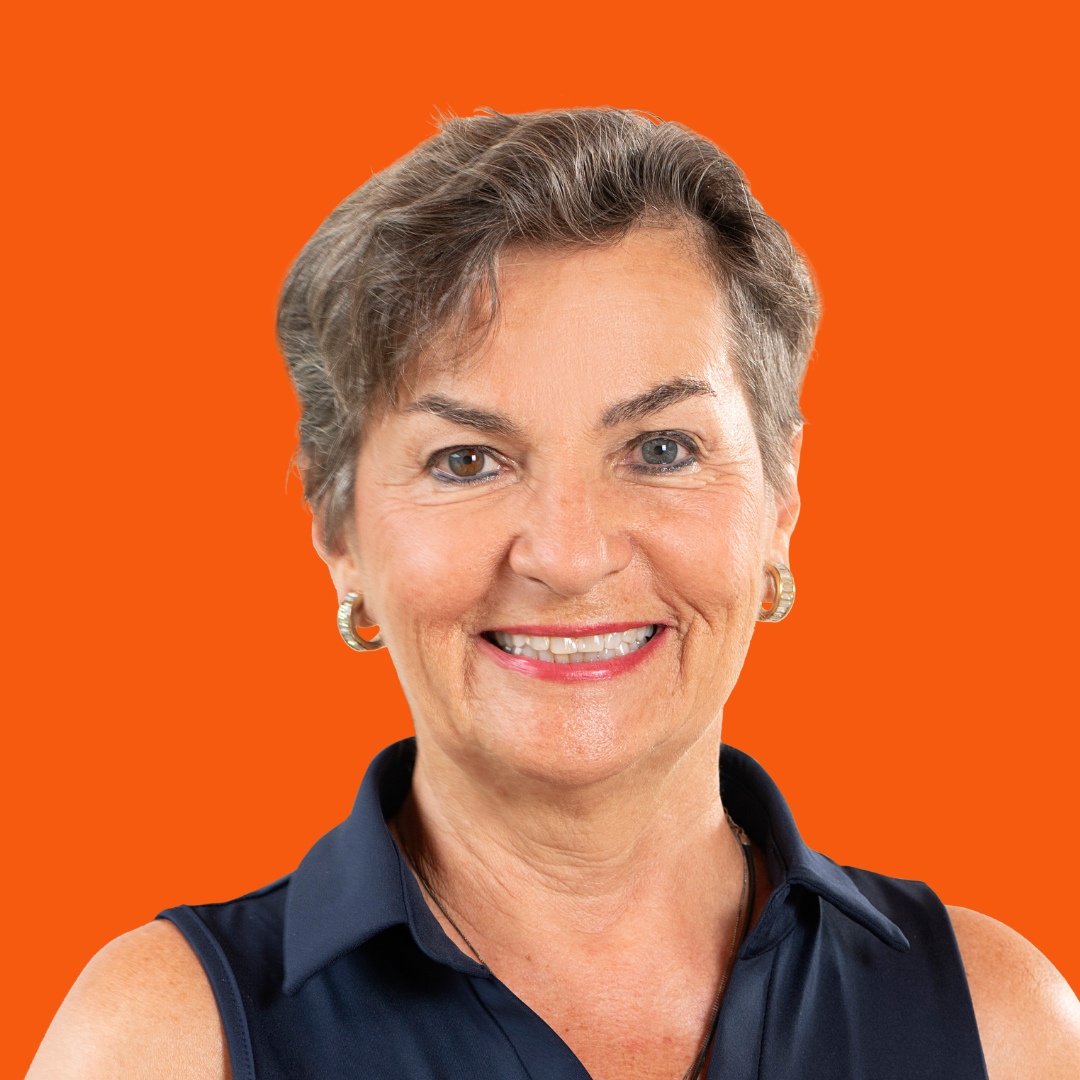
Clay (podcast producer, livestream announcer): Attention, stubborn optimists. Right now, as part of London Climate Action Week, Outrage and Optimism is live, broadcasting from London and beyond. Our hosts, Christiana Figueres, Paul Dickinson and Tom Rivett-Carnac, we joined today by Richard Curtis. And we'll find out why does everyone look so serious. Today, we'll be taking some optimistic action as we discover our collective power through investing to turn things like this into this. Much better. And later on in the live stream, we'll have a musical performance by artist Beans on Toast. So be sure to stick around. Okay, thanks for joining us. Here's the show.
00:01:23.780 --> 00:01:24.460
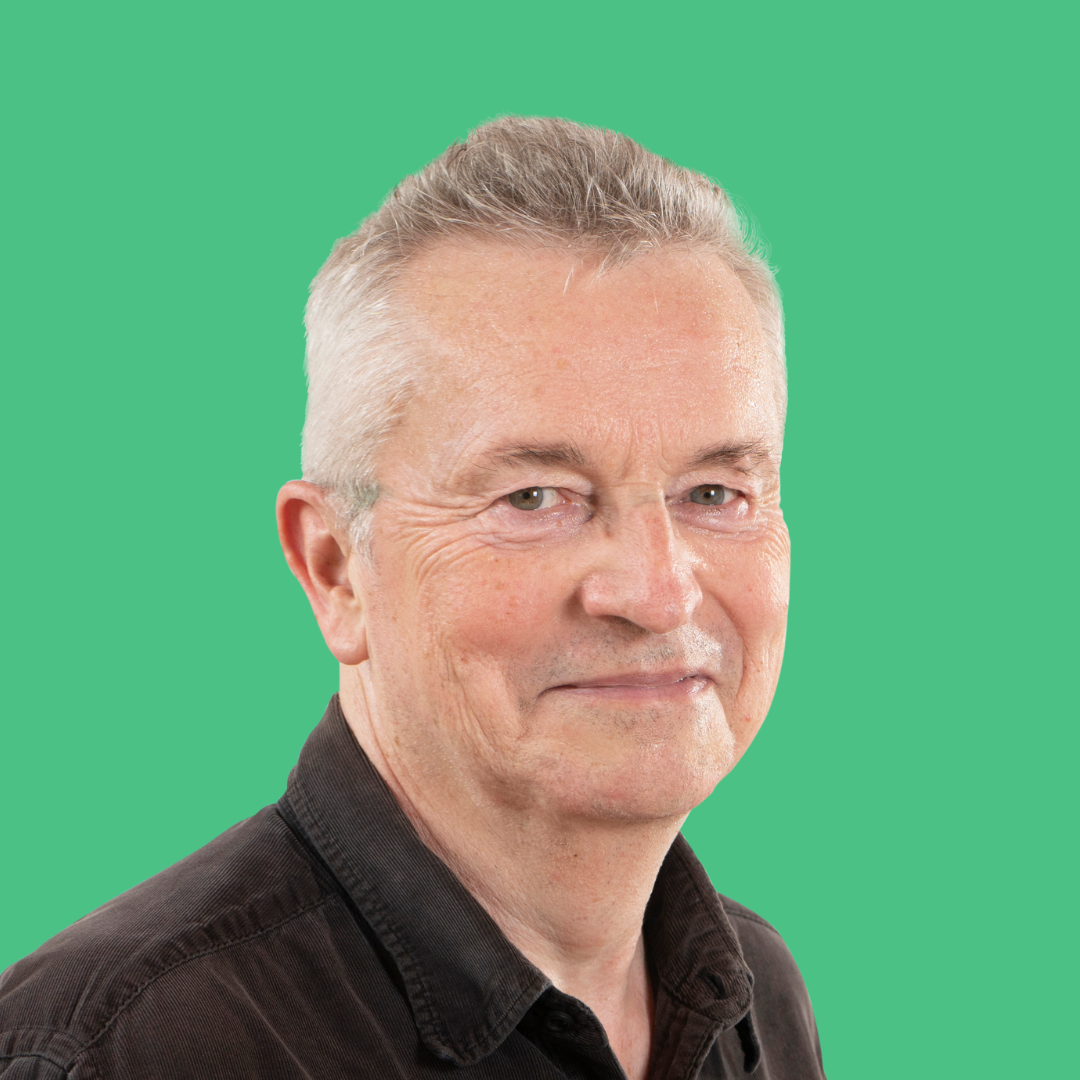
Tom Rivett-Carnac: Hello, everybody. Thank you so much for joining us for this live episode of Outrage and Optimism. My name is Tom Rivett-Carnac.
00:01:31.000 --> 00:01:32.200
Christiana Figueres: And I'm Christiana Figueres. Oh, you're Paul and I'm Christiana Figueres.
00:01:34.400 --> 00:01:34.800
Tom Rivett-Carnac: I messed up. I was...
00:01:36.100 --> 00:01:36.760
Paul Dickinson: We're live.
00:01:36.760 --> 00:01:38.020
Tom Rivett-Carnac: We changed the beginning.
00:01:38.020 --> 00:01:38.680
Paul Dickinson: Go from the start. Go from the start.
00:01:39.280 --> 00:01:41.300
Tom Rivett-Carnac: I'm Tom Rivett-Carnac.
00:01:41.300 --> 00:01:42.980
Christiana Figueres: I'm Christiana Figueres.
00:01:42.980 --> 00:01:44.880
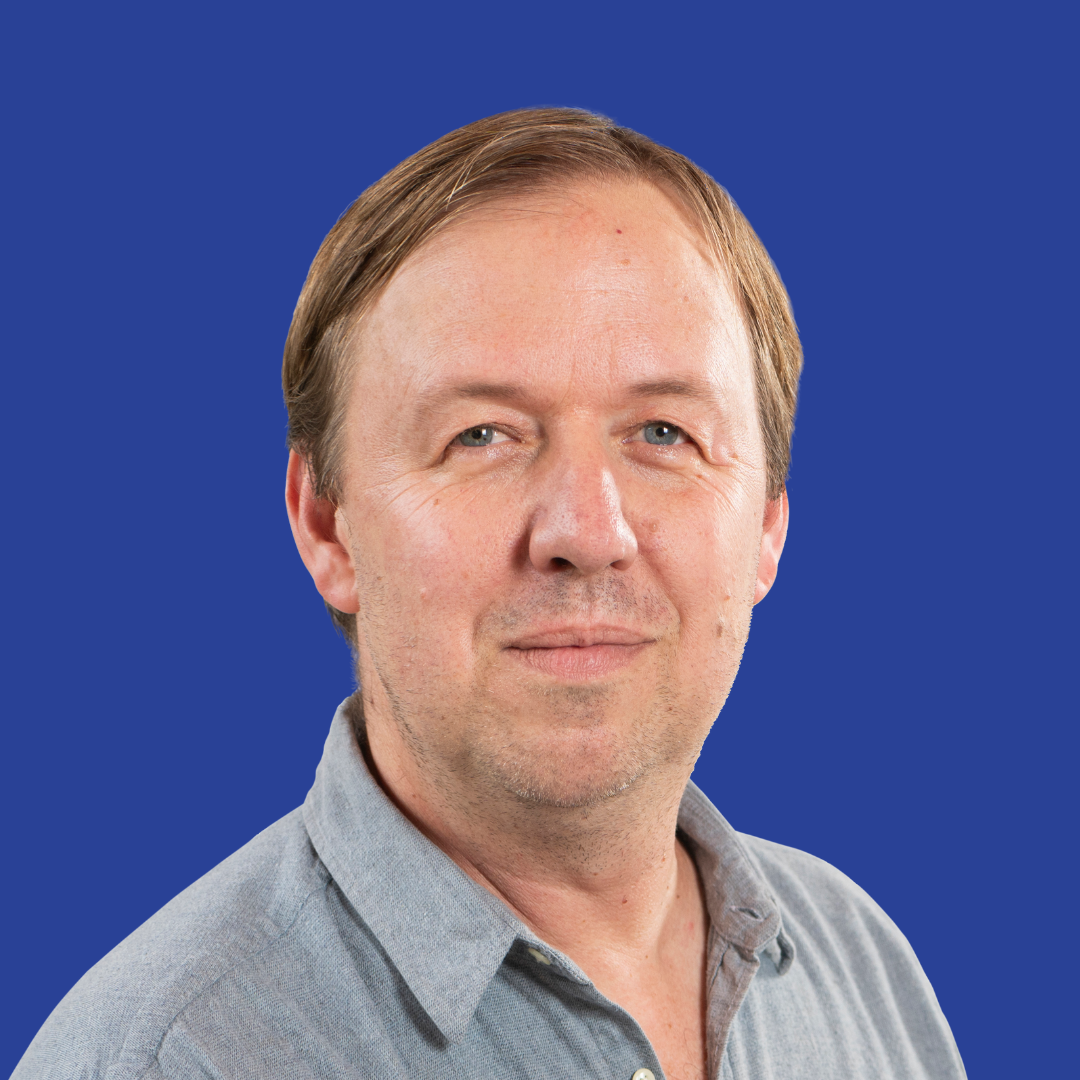
Paul Dickinson: And I'm Paul Dickinson on Q.
00:01:44.880 --> 00:01:48.620
Tom Rivett-Carnac: This week, we are talking about the power of pensions to change the world for the better. We have the brilliant Richard Curtis here with us, and we will be hearing from Beans on Toast, who will be performing live and giving us for the first time a musical performance during the podcast that we hope to replicate in the future. So Paul, Christiana, here we are, London Climate Week. It's been a big week. Christiana seems to be impersonating the idea that she's in London by participating from Costa Rica. But other than that, everything seems to be going well. How are you both doing?
00:02:12.060 --> 00:02:17.940
Christiana Figueres: Well, we're doing well, but I think it's very fun that we're doing many things for the first time today. First of all, Paul and I trip over each other as we introduce each other. That's great. Apparently, we haven't done that enough.
00:02:26.660 --> 00:02:29.200
Tom Rivett-Carnac: It's only the 57th time or something we've done that.
00:02:29.560 --> 00:02:32.600
Christiana Figueres: Exactly. Plus, we're doing this live. Plus, we're having Richard as, I believe, our first podcast guest, who we have invited on, re-invited on to the podcast.
00:02:46.820 --> 00:02:49.780
Tom Rivett-Carnac: I don't know if it will make the top line of his CV, but it obviously should.
00:02:49.780 --> 00:02:50.500
Christiana Figueres: You don't think so?
00:02:50.900 --> 00:02:51.960
Clay (podcast producer, livestream announcer): No, I was hoping that he would come.
00:02:51.960 --> 00:02:54.200
Paul Dickinson: The top line of my CV, maybe not his CV.
00:02:55.960 --> 00:02:58.940
Christiana Figueres: And we're having music, so many firsts for us. Really very, very exciting here.
00:03:01.720 --> 00:03:01.940
Tom Rivett-Carnac: Mr. Dickinson?
00:03:03.580 --> 00:03:04.820
Paul Dickinson: I'm super excited. So glad to be with people live. It feels different, actually, somehow. And really looking forward to getting a chance to talk to Richard, because he's got such an exciting announcement. I don't want to kind of steal his thunder.
00:03:18.920 --> 00:03:19.780
Christiana Figueres: Wait, wait, wait, Paul. Didn't he just announce it yesterday? So this is like a re-announcement.
00:03:24.940 --> 00:03:27.420
Tom Rivett-Carnac: Speaking of which, so we should be efficient, right? Because we only have until 15 minutes past to just get through this introductory bit. So let me just set us up. So recently on the podcast, we've been talking about how old power is finally under siege in this world. It's failed to elevate the needs and priorities of citizens. So we're seeing a resurgence of people in the streets calling for racial equity, climate justice, human rights, economic equality. So what we do now has the potential to be transformational, to redesign human systems, to be in harmony with the natural world and face these interconnected issues together. Now, one very powerful way we can do that is through our money. Yes, of course, how we spend it, but also critically through our long-term savings, the result of our years of hard work, through our pensions. So let's start off by just talking before we bring Richard in to describe his particular focus on this through Make My Money Matter, the power of investors to change the world. Let's start with you, Paul. You have focused on this and thought about this for years. What can you tell us about how asset owners and investors can change the world?
00:04:27.300 --> 00:04:33.480
Paul Dickinson: Well, I'm going to start off with a story of an enormous monster called a leviathan. Sometimes thought of as a sea monster, but generally just a vast monster. And it was actually the philosopher Hobbes who in 1651 wrote a book called Leviathan. And he wasn't really referring to sea monster at all or a giant monster. He was saying the state is the leviathan. He said that what we have is we create amongst ourselves this thing, the leviathan, and it administers us. It's kind of like a force above us that we all succumb to and we can all protect ourselves through this. And so that's a great idea and it's worked for hundreds of years. But the kind of the problem is things have got really big in the private sector. We've got absolutely ginormous companies now and we've got absolutely ginormous investors. So we've got competing leviathans. You know, you've got the states and then you've got the great corporations and then you've got the great investors. So I think that what's so exciting about now and why I'm so looking forward to speaking to Richard is because we're starting to think how we might interact with those in different ways. Yes, every five years or something, you go and vote for a political party or more often in the local elections or the national elections. But how else do we support the infrastructure of power of corporations and of investors? And what oversight have we got? How do we interact with them? I think we're probably in the very early days of working that out, which is why I'm just trembling with excitement.
00:06:01.580 --> 00:06:07.480
Tom Rivett-Carnac: Hey, Christiana, you talked for a long time about shifting capital as the key to transformation, its role in the creation of the Paris Agreement. What we've got to do now? How are you feeling about this issue?
00:06:10.540 --> 00:06:14.920
Christiana Figueres: Well, I wanted to bring two ends of a spectrum, right? Because this happens along a very, very broad spectrum. So one end of the spectrum was what was shared with us just last week, how Client Earth managed to buy minute, minute participation in a company. And through that company, actually be able to sue them for being irresponsible. That's just a really, really strategic use of shareholder power. Because what did he say the investment was like?
00:06:46.560 --> 00:06:47.180
Tom Rivett-Carnac: $30. No, $30.
00:06:47.620 --> 00:06:48.920
Christiana Figueres: $30. I mean, never have $30 been better used, right? The other side of the spectrum there is the Asset Owner Alliance, which are, you know, a growing number of large asset owners, mostly institutional, in fact, all of them institutional, who have joined their efforts and to ensure that all of the companies that they partially own are actually going to get to net zero by 2050. And that's already way beyond the $4 trillion in total capital that they own. And they are really doing quite a bit with the companies that they partially own. So, you can see that the spectrum is a very, very broad spectrum. But sort of somewhere there in the middle, I just wanted to tell the story, a very recent story of the company Danone, the yogurt company, that actually presented to its shareholders a very interesting proposal that was supported by 99% of the shareholders. And that was to move away from shareholder primacy over to stakeholder, to re-understand that we are in a world now in which we can't follow the 50-year-old principle of Milton Friedman, of shareholder primacy, and broaden that much more to understand who actually does need to benefit in order to have a stable economy. And so that broadening from shareholders only to stakeholders, to all stakeholders, is gaining momentum. And I was just thrilled to see that that proposal that came from management and done on from the CEO was actually supported 99% by the shareholders. So I think we're turning the tide.
00:08:46.920 --> 00:08:49.780
Tom Rivett-Carnac: They get that it's not in their interest to be focused in that way. Now one thing that just occurred to me as you were speaking is you just gave a very good story and representation of a podcast interview with James Thornton that has not yet been released. So I'm sure you've completely lost all of our listeners.
00:08:58.820 --> 00:08:59.840
Christiana Figueres: But we tagged him.
00:08:59.840 --> 00:09:11.760
Tom Rivett-Carnac: So this was a discussion with James Thornton, the CEO of Client Earth, who talked about how he made a systemic change in Poland in engaging with a coal fired utility, which is coming out later. So I think that's really fascinating. And just before we bring Richard in, I mean, one thing I'd reflect on, and I don't want to steal this thunder too much, but I saw in the launch yesterday with Mark Carney, it was brilliant that one of the statistics that came out is that focusing on where your money is, where your pension, can be 27 times more effective. I don't know how they did that calculation than other actions to deal with climate change. And at the moment, it can be kind of invisible, right? So despite the action that many people have been trying to take, it hasn't reached critical mass. And so you do get, you know, vegans investing in the meat industry, you get climate activists investing in fossil fuel companies. So bringing that out into the light just feels like such a crucial part of what we've got to do now.
00:09:52.020 --> 00:09:59.260
Paul Dickinson: Well, I mean, if I can just give a shout out to somebody who got me into all of this a long time ago, a wonderful inspirational leader called Anita Roddick. And very sadly, she died in 2007. But she gave a speech at the Finthorn Foundation, which I love, in 1987. Can you believe that? 33 years ago. And in that speech, she said, I want something not only to invest in, I want something to believe in. And I think that's as true today as 33 years ago when she said it. And yet I think, you know, the world's a big place and it takes a long time, but Christiana, that change at Danone is incredibly exciting. I think that's also been supported by changes in French regulations. And I sort of applaud some of the genius of the French state to kind of think through the stakeholder model. And it's a great time for experimentation and for just kind of evolving something that's changing very fast. But if I can quote Patti Smith, we created it, let's take it over.
00:10:50.040 --> 00:10:50.440
Tom Rivett-Carnac: I love it. All right, should we invite Mr. Richard Curtis to join us?
00:10:52.960 --> 00:10:53.240
Paul Dickinson: Mr. Richard Curtis.
00:10:54.440 --> 00:10:55.340
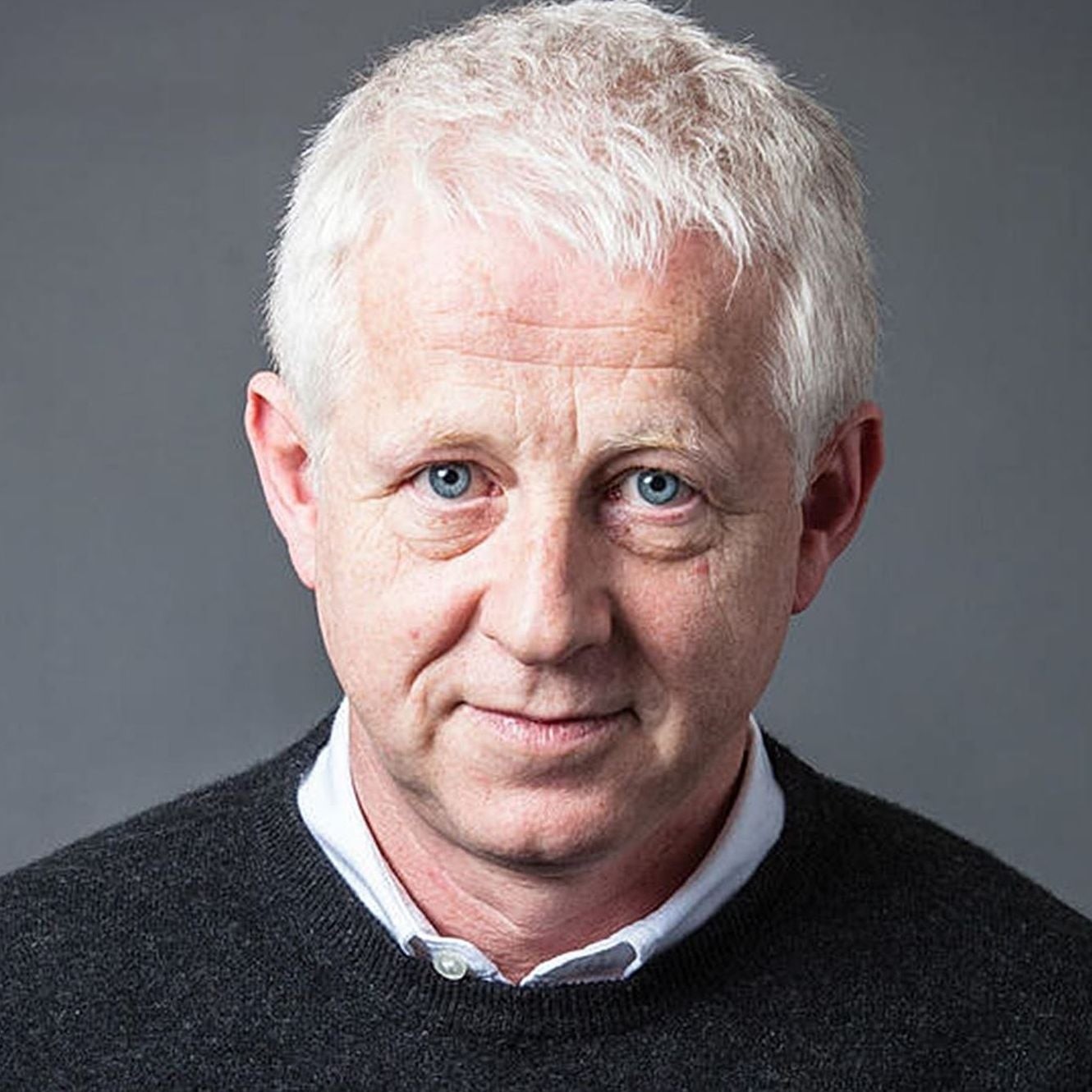
Tom Rivett-Carnac: Okay. I'm sure you all know who Richard is, but he is of course one of the most successful screenwriters and filmmakers the world has ever seen. And is also a remarkable activist, creator of Comic Relief and raised a billion dollars. Richard, nice to see you.
00:11:08.140 --> 00:11:08.840
Christiana Figueres: And wait a second, wait a second.
00:11:08.840 --> 00:11:10.780
Richard Curtis (guest): I feel like the Wizard of Oz.
00:11:10.780 --> 00:11:20.780
Christiana Figueres: Yeah, yeah, but before, Richard is also the brain behind all the little squares with different colors that we recognize as the SDGs. Richard, if it weren't for your genius and your team, no one on this planet would remember that there were 17 SDGs because nobody has the capacity to count from 1 to 17. And we wouldn't associate them with a particular color. So thank you for that genius contribution, in addition to many other genius contributions.
00:11:42.520 --> 00:11:46.820
Richard Curtis (guest): Well, I think you're going to discover in the next hour quite what a simple person I am. And so my effort was to try and simplify the goals to a point where, as it were, everyone could grasp them. And that's got something to do with what we're talking about today.
00:11:56.180 --> 00:11:57.300
Christiana Figueres: Successfully done. Successfully done.
00:11:59.420 --> 00:12:02.100
Richard Curtis (guest): Can I start with something completely irrelevant? Please. I was just thinking about Body Shop. One of my favorite stories ever was that my son, who liked things for free, saw a sign outside Body Shop and it said something like, you know, free Totoga or something. And he thought, oh, I'll go in there and get some free Totoga. And he went in and said, I'm very keen on the thing in your window. And it turned out that it was a campaign to free an island called Totoga under a repressive regime. And then he had a very long political discussion and ended up with no body lotion whatsoever. So no free Totoga.
00:12:44.920 --> 00:12:47.120
Christiana Figueres: But educated, very educated.
00:12:47.340 --> 00:12:50.640
Richard Curtis (guest): He's been passionate about the cause ever since.
00:12:50.640 --> 00:12:51.580
Christiana Figueres: There you go.
00:12:51.580 --> 00:12:53.700
Tom Rivett-Carnac: Richard, we love your work over so many years. And obviously we've been huge supporters and allies of Project Everyone and so much else that you've done. But Make My Money Matter is a different type of campaign. It's so exciting. Do you want to just sort of take a couple of minutes and kind of set up what you're doing in the direction and then we'll dive into the conversation?
00:13:07.780 --> 00:13:12.620
Richard Curtis (guest): Yeah, I mean, literally no one could be more surprised than me that this is an issue I'm talking about. Let me sort of go back a bit. I think we're in a active generation. I just noticed that my kids are very keen to do things in their own lives. I feel as though I went through a journey from kind of believing that the way to do the right thing was to give to charity, and then with comic relief, and then with the Make Poverty History campaign, you could see that governments had so much more money so that maybe you could ask them to spend that money and do the right things more. And recently, it's just occurred to me that the hugest money is in companies and investments. So you've got a pension pot, an aid budget of 14 billion, and a pension pot of 3.1 trillion. And so as my kids are thinking to themselves, and so are we, I won't buy plastic bottles, I'll check the supply chains of clothing stores, I'll cut down on my flying, it suddenly occurred to me that where our money is waiting in pensions is the single most powerful thing that we can do. And that actually, if we could make sure that every single day that was working to support the best companies, the most interesting companies, the most sustainable country, the fairest companies, the most diverse companies, all of those things, it would be exactly that kind of simple action. It would simply be a way of saying, this is what I've got, this is the consumer. So I see this as a sort of consumer revolution. And then I thought, well, let me just look into this pension issue. And there are two sides to it. One, I don't know, I would really recommend everyone looks at Bronwyn King's Ted Talk, this Australian doctor, really changed my heart and mind. There she was, she said she'd been an oncologist trying to save people's lives from cancer for 15 years. And she had her first ever meeting with her financial advisor, said, where's my money? He said, three out of your top ten are in cigarette companies. So she suddenly realized she'd kill more people than she'd saved in her life. So that's that thing about accidental investment. But then there's all the really exciting thing about the fact that you could be putting your money into wind farms, into discovering vaccines, into building schools, into affordable homes, you know, into affordable health care. So I just suddenly thought there's got to be a way that we just alert people to this very simple thing, that you could make your money in your bank account and most in your pension actually matter every single day, have a pension to be proud of and change the world, as it were, while you're... Because look, there's no point getting in a pension in a world on fire. So you're actually doing it for your own good. Anyway, at the very shortest, that's the simple thought that, you know, I'm literally... I would love everybody to go and ask the company they work for what their pension's doing. Is it sustainable? Is it doing the right things of, you know, tomorrow?
00:16:25.760 --> 00:16:26.680
Tom Rivett-Carnac: So that's the campaign, right? In terms of a specific action that people will do, they'll engage with their pension fund trustees, their companies. Is there sort of steps they can go through, through Make Money Matter to kind of write to them and get their voice out there?
00:16:36.800 --> 00:16:39.640
Richard Curtis (guest): we're going to be sort of making that clearer and clearer. I mean, the first thing is, if you actually, you know, have a financial advisor and someone you can talk to, ask them tomorrow, just ring them up and say, where is it? And in a way, we're not asking people to leave, we're asking people to make popular the best products that pensions have and make those much bigger accounts. And then, you know, I think they found out that 70% of people in the UK would assume that their pensions were in line with their ethics and actually want it to happen so that everybody should just go to the person who does know about money in their company and say, are we doing the right thing? And then, of course, it becomes a big campaign because we talk to all the pension companies about these issues of which, you know, Christina Cistiano was just talking about, about what's their fiduciary duty. Is it actually only to the shareholders or is it to the world as well? And then you want government to actually make sure that that does become the responsibilities of trustees of pension companies. So we're going in at all levels and we can talk about all levels. But I'm just interested in this little bit of consumer power, where you'll actually be able to suddenly be investing in good things.
00:17:54.360 --> 00:17:55.260
Christiana Figueres: Well, fantastic. And it makes life for responsible asset managers so much easier when their clients are actually clamoring for them to do the right thing. It also strikes me, Richard, that there's a very interesting intergenerational justice component to what you're proposing. Because having a pension, basically, what it says is, I'm going to take care of myself. My kids won't need to take care of me when I am older or oldest. Right? That's the purpose of a pension. Now, if the pension is in high carbon assets, number one, it's highly risky for ourselves that we may lose those values and those assets very quickly. And hence, we may have a dwindling pension very quickly, which defeats the purpose of having a pension. But also, what it actually means is if our money is in high carbon, we're stealing the future from our kids because we are saddling them with a world that they will not be able to manage and they will not be able to thrive in. So it's a double whammy, right? Not only are we exposing ourselves to the risk of immediate asset loss, but also saddling our kids with a future that they will not be able to deal with. So there's a very interesting intergenerational-
00:19:24.080 --> 00:19:25.680
Richard Curtis (guest): It's business chaos, Christiana. Someone said to me that if the temperature goes up by 3.5, insurance ceases to exist as a business.
00:19:32.220 --> 00:19:32.940
Christiana Figueres: Exactly. Because they told us that.
00:19:34.440 --> 00:19:35.180
Richard Curtis (guest): It couldn't operate. And I do think that one of the things about the COVID crisis and all its tragedy and horror is it has told us the worst can happen, you know. So when you think about New York being overcome by coronavirus, you think, well, maybe these things people have been saying about big cities near the coast being flooded, maybe that's not unrealistic. We've been taken by surprise. So I'm hoping that this kind of new sense of urgency and the way the world can change on a dime really is going to embed itself in people's psychology now and make them in their own lives, not necessarily always trusting their governments, make all the changes they can.
00:20:20.840 --> 00:20:23.380
Paul Dickinson: Richard, can I tell you a story from insurance? Incredibly long time ago, 2001, I went to see the head of the Association of British Insurers and I said, has anything like climate change happened before? And he thought for a while and he said, after the Nazi bombing of Guernica in 1936, I think it was, all the world's insurance companies got together and said, in the event of war, you're not covered for war damage. So in a sense, the insurance companies are very good at looking after themselves. I mean, there may well still be insurance if there's a one in 10 chance that your house will be destroyed, but they will charge at least a third of the value of your house every year as the premium. So whether they survive or whether they simply raise premiums to a level where we've got no interest in them is a question. But can I just tell you one reason, Richard, why I think that you're about to do the most exciting thing in the whole world? A few years ago, quite a long time ago, 10 years ago, I was at a dinner and someone had done a little thing whereby you could contact the chair of your pension fund. It didn't last very long. But I heard someone say that the trustees of these pension funds were so extraordinarily shocked to be contacted by their members. It had never happened before. And there's an assumption that we the people, we just want as much money as possible and to hell with the world. And actually, we're not in communication with those people who are running our money. So I cannot say how exciting it is that you're about to open Pandora's communication in a good way.
00:21:46.480 --> 00:21:46.740
Richard Curtis (guest): Yeah. And by the way, this is what people expect now. This is what transparency is, in fact, all about. It's finding out who's in charge and how they're spending your money. By the way, the key thing is here, because I've been on quite a journey here, is I was worried about legalities and stuff, but I was also simply worried about profit. If during this journey, everyone had said to me, yeah, you'll get less money at the end, that would have been a much tougher thing to sell. But it's consistently now people are saying that the sustainable funds are doing better. When Comet Relief moved its money, it made more money. BlackRock said that the why not moment has arrived. So this sort of contrast between value and values is all changing. And Mark Carney is gripping on this, gripping about this. What constitutes risk for a company? It used to be risk was, is their quarterly report going to show a loss in profits? But he says risk now really lies in three things. One, anyone who's not planning long term is the head of a bad business, so they got to take sustainability into account. No employee or consumer wants to work for a bad company now, and consumers are getting more and more judgmental. And when companies are found to be cheating or inconsistent, or using child labor, or faking tests on their cars and everything like that, that's the end of the company. So risk actually is no longer to do just with profit. But in fact, so the thing that people can be reassured when they do go out tomorrow in order to say, I want to find out what's happening, is that they're actually doing something less risky for their money and something that's likely to end up making them more money. And also from the pension point of view, people say, if I knew that my pension was actually doing good things, I'd put more into it. And there are some gripping things, like some local pension funds saying, we're going to spend some of your pension money on great projects locally. And that's another sort of big attraction. So this should all be, it should be, as scary as it is to say it, a win-win.
00:24:11.520 --> 00:24:14.100
Tom Rivett-Carnac: I love the idea of local pension funds doing gripping things. That's fantastic. It's great. So in 10 minutes, we're going to let you ask a few questions of Richard and anyone else you want to. Just one question I have, Richard, when you joined us in September, we talked to you in New York last time you came on the podcast. And we talked about the fact that you're a professional storyteller. You've kind of through your career as an activist, looked for these simple, true stories that cut through the films on Comic Relief, Red Nose Day, and that's really... So what's interesting to me is that you've taken on this issue that, to the outside, is a bit complicated, but you've clearly decided that you can make it simple and true and draw in large numbers of people, which has not always been possible on this issue. So what convinced you of that?
00:24:56.620 --> 00:25:05.240
Richard Curtis (guest): Well, one Bronwyn convinced me of it, because this terrible idea of being an accidental investor in the things you don't believe in. So you've got 3.1 million vegans in the UK, and a lot of them will be investing in meat production. You've got people who are fighting for peace, and they'll be investing in arms. So there's that whole side of it.
00:25:16.320 --> 00:25:18.160
Christiana Figueres: Alignment, alignment, yep.
00:25:18.160 --> 00:25:32.000
Richard Curtis (guest): And then that fact you were saying about, you know, just by making up few phone calls and doing a bit of pushing, that I'm doing 27 times more for the environment so I can actually keep eating meat if I want. No, forgive me there. But do you know what I mean? The idea that actually you can really do something with your cash rather than, as it were, cycling everywhere struck me as being exciting. So I think there are just lots of little tales that you can tell here.
00:25:50.520 --> 00:25:52.960
Christiana Figueres: And those things are not mutually exclusive, right? I mean, the whole trick of this is to act basically out of a basket of possibilities and to really puncture the myth that we as individuals, as consumers, as much as I hate the word, as citizens can know that we have no power in front of something that is as huge as climate change. And that is so untrue. And we have realized that now with COVID, the power of the individual and the power of the individual is magnified when that individual actually harvests many different ways to address climate change in our personal life and in our daily habits. So to add, in addition to not eating meat, in addition to using our bike, to add then the investment of our pension, it just really magnifies the impact so much higher.
Load More00:26:53.620 --> 00:26:54.180
Richard Curtis (guest): It really does. I mean, can you imagine a young person who's getting their first job and has asked about their pension choosing to go into a bad default pension? It's actually not, I don't think it's thinkable anymore. I just think that no one will make that decision. And in fact, the pension companies have to catch up fast. And in fact, I think it will become a big marketing tool for them. There's an Australian pension fund called My Future Super, which has been doing really well because it's been pushing just that fact. And you will know more about this than me, but I've just moved my bank account to Triodos, which is a sustainable bank. And it's coming in the direction of banks. It's coming in the direction of insurance. All of these things, we're just suddenly seeing, as you say, COVID showed us how we were all absolutely linked, even though we had to be apart. And I do think that this all links back to the goals and to a sense of increased sense of urgency and an opportunity. We're all very sad to have lost this year's COP, but an opportunity to have, as it were, turned up the heat on all these issues and make everybody think about things in a different way.
00:28:10.060 --> 00:28:14.800
Paul Dickinson: Richard, you're such a systems thinker, if I can use that awful jargon. And you said that all you do is simplify things, but brevity is the soul of wit, you will be well aware. And I think I just wanted to ask you about what I think, the point you just made, which is maybe the most exciting point of all, which is your systemic intervention, if enough of us can get together and push on this agenda of Make My Money Matter, do you think that the financial service providers will start literally presenting themselves as the solution? Do you think the adverts might become more interesting than the television programs one day, as BlackRock or Legal in General try and compete for our attention and our money, rather than, as you said, the deadening default where you don't even know where your money is going? Yeah.
00:28:54.960 --> 00:28:56.280
Richard Curtis (guest): Look, I think it's a selling point. And by the way, I think one of the things I'm saying to all the companies that I talk to is tell people the good stuff that you're doing. The time for modesty is over. You actually have to tell people what you're doing to change your product, to make it better, what you're doing with your supply chains, admit the fact when you've made mistakes, say that you've improved it. I think it's going to come a really important part of the focus of marketing. People who don't do it, people will notice that they haven't done it.
00:29:28.960 --> 00:29:31.280
Tom Rivett-Carnac: We are now going to go to some questions from the audience. We've had a bunch of questions already, and we would invite you if you have questions to add them into the chat, and then they will be filtered through to us. Very exciting. I'm going to read them out. The first one comes from someone called Zabrina Tucker who defines herself as a stubborn optimist. She'll be pleased to hear. Yay.
00:29:48.320 --> 00:29:49.700
Christiana Figueres: Welcome to the family.
00:29:49.800 --> 00:29:50.780
Tom Rivett-Carnac: It's a very good question as well. She says, as a young person, I often find myself feeling more outraged and optimistic when I talk to my parents' generation. They don't seem to understand the issue at all. And if they do, they don't understand the urgency. A lot of them currently only think of us as young and angry, and they think we don't understand the way the world works, and I want to find a way to change this. So I'm wondering, how can I get through to this generation so they can join us in this fight? Wow.
00:30:14.220 --> 00:30:24.460
Richard Curtis (guest): Well, look, I mean, if they're not getting the message now, I mean, the Black Lives Matter movement, that's been such an interesting thing, this sort of explosion of interest in it. And suddenly, I feel the weight of the argument is with the young, is that they really do have to understand that this is something that is so deep and so systemic, and that my entire generation has been part of endorsing, basically. I mean, I'm deeply aware of doing it. So I'm hoping that, as it were, the tide of opinion will begin to change, and parents will start to say, well, there are some really interesting new things happening. And I think one of the things is, oddly enough, children sending their parents an example. I tried to write a little sketch for Make My Money Matter, which started with a dad saying to a daughter, so we've got to talk about something very serious, you must take up out of pension. And then ended with the daughter saying, I've got to talk to you about something very serious. Where is your pension? Have you done the right thing? So I think, you know, do the right thing and, you know, lock them out of the house if they don't listen to you.
00:31:30.460 --> 00:31:35.640
Tom Rivett-Carnac: And maybe if we get a phone number, unsolicited call from Richard Curtis to tell them what's what, what do you think about that?
00:31:38.100 --> 00:31:41.620
Richard Curtis (guest): You know, I've had some dodgy TV programs in my time. I haven't got a leg to stand on by anyone who's actually seen Mr. Beans' Holidays. So I think it's better if she doesn't.
00:31:49.040 --> 00:31:50.020
Tom Rivett-Carnac: Comes from her. Christiana, do you want to give an answer to that one?
00:31:52.220 --> 00:32:03.500
Christiana Figueres: Yeah, I think there's a pretty simple question being a parent myself that young people can ask their parents and that is, do you care about my future? That sort of puts the context and then from there we can have a conversation because I think that's where we have to go. And it's very much about, especially with parents, I think it's very much about addressing the heart rather than the brain because the brain is calcified. Of my generation, our brain is calcified into the structures and the values and the logic of what was. And the heart is much more fluid. And I think if kids ask their parents, if young people ask their parents, do you care about my future? You're addressing their heart. And that could be an interesting channel to then move up into the head and give the arguments. But first start at the heart level.
00:32:57.560 --> 00:33:03.840
Tom Rivett-Carnac: Yeah, so that's that's actually a good segue to the next question, which is about the heart level from a different perspective. This is from Joanne Taylor in London. So she says, I've been interested in environmental issues for many years, but I've noticed over the past year, I seem to have lost my connection to this important issue. I continue to do what I can in my own life, recycling, et cetera. But I can no longer find that I feel strongly about this. Can you offer me any advice as to how I can reconnect emotionally with the environmental crisis all around us?
00:33:27.060 --> 00:33:27.760
Richard Curtis (guest): Wow. Wow. That's a very interesting question. It's interesting that the COVID thing hasn't, you know, reignited some of that passion. I mean, one of the things that my way into it, because, you know, I started at Comet Relief, is this increasing understanding that it's planet and people at exactly the same time. You know, and make sure that you don't only focus on the sort of beauty of nature and on the planet and the world. Make sure you remember that if there's a flood in, you know, the UK or America, you lose a few lives. If there's one in Bangladesh, you lose 250,000 lives. You know, if you actually care about the least well-off people, that's climate. If you care about women, that's climate. If you care about people who are in civil war and refugees, that's climate. So, you know, I do think that you can see it all around you. And I think that would be to link in your sense of human compassion, as well as your sense of the well-being of the planet. If that isn't something that's, you know, on her mind, that certainly is key part to my passion about the subject.
00:34:50.780 --> 00:34:57.940
Christiana Figueres: Well, I would very much agree with Richard, because we have to keep that dimension in mind. And I would add, for someone who feels disconnected with nature, maybe start small in order to link to the large. And maybe just ask yourself a very simple question. The water that I drink, where does it come from? Just see if you can follow that. Just look at the water in your glass and in your mind's eye, follow it back to where it came from. It comes from nature. The same thing with the air that we're all breathing. Just stop breathing for a moment until you answer the question, the oxygen that I'm breathing, where does it come from? It's not man-made, it's not woman-made, it's not child-made, it's nature-made. And the same thing with every morsel of food. The fact is that we have allowed ourselves to get disconnected from nature because we are overlooking the very, very basics that our survival today, our survival, which means we need water, we need food, and we need air, our survival depends on nature providing that to us. But we overlook it. So, you know, pretty simple little exercise. Stop breathing for a few minutes and ask where the air is coming from. Look at anything that you're drinking and figure out exactly where it is. It doesn't come from the faucet, okay? I guarantee that. Just walk it back in your mind's eye. And the same thing with your food. And that might just open for you a connection with nature that is there, and that is only in our head that we have closed our door, but we can easily open that door.
00:36:46.060 --> 00:36:47.640
Paul Dickinson: One final tiny little thought. You know, this whole area is just getting bigger and bigger. I've only worked in climate change two decades, not long by many people, but it has just become more and more important every single year. So in terms of, you know, work and leisure and business and the culture, this is the thing to connect to, even though we all have ups and downs in our intention.
00:37:08.320 --> 00:37:12.120
Tom Rivett-Carnac: It's amazing how many questions are coming through that focus on our personal experience of this and our grief. I mean, it really shows how people are feeling with regards to this issue. But we'll come back to another one of those in a minute. But just for now, there's an interesting question from Lucinda. I think, Richard, where she says, If I contact my pension provider and find out they are investing unethically, what next?
00:37:26.780 --> 00:37:29.260
Richard Curtis (guest): You ask for a product that isn't. That really is. It's not as simple as that. You know, and it'll be a bit complicated, but, you know, nothing in life is completely easy. But you should just say to them, I'm really enthusiastic to make a change where I go for whatever you think is the most ESG consistent, the most sustainable, the one that I can be proudest of. I really want to stay with you as my pension provider, but I really want to be proud of the things that I'm doing. Can you tell me what you got? And if they get that question from 100 people tomorrow, from 1,000 people, from 10,000, they're going to get really good answers soon. And they're going to invest more in brilliant big businesses and brilliant small businesses. So I think the answer is ask one question, then ask two, then ask three, and then you'll get your way.
00:38:20.580 --> 00:38:22.080
Paul Dickinson: And can I slip in one, sorry.
00:38:22.080 --> 00:38:23.040
Christiana Figueres: Yeah, sorry. Richard, what if that person says, well, actually, we're a passive investor. We don't really have it in our hand to decide in which companies we invest in and which we don't? That answer I have heard, I don't know how many times. So how do you push on that one?
00:38:40.040 --> 00:38:43.320
Richard Curtis (guest): Well, one, I think you're getting that answer less often. I mean, strangely, I got that answer a year ago when I asked the question and then I got a different answer. And if, well, then I would say, can you give me some examples of some of the companies that you think I may not like that I am investing in? And if they do come back and say gambling and say arms and say, you know, people who don't watch out for gender and diversity and fossil fuels who aren't making any difference, I'd leave.
00:39:16.320 --> 00:39:19.460
Paul Dickinson: And that is absolutely the right thing to do. Can I add one little tricky question? A very clever thing you can do sometimes is ask them to do the work. So just ask your pension provider to confirm to you that they're investing in your best interests. They have the responsibility to confirm that to you. You might want to point out to them problems with climate change. And how are they going to confirm? They have the responsibility to prove to you that they are investing in your best interests. If they fail to satisfy you, that's their flaw.
00:39:47.320 --> 00:39:49.380
Richard Curtis (guest): And by the way, there's going to be big progress here. One of the things that Mark Carney is working on is that every investment portfolio will have a promise that it is or isn't net carbon and halving carbon by 2030. And he's even pushing that portfolios should have temperatures attached. So, you know, that would be a thing that I'm hoping a year from now when people ask, they can just say, what is the profile in terms of net carbon and in terms of temperature of this portfolio? And if it's high, say you want to go to their lower one. Great.
00:40:21.500 --> 00:40:25.900
Tom Rivett-Carnac: So we've got a question now about, I think it's probably related to Boris Johnson's speech yesterday in the Midlands. So she says, Elise Hockley, how can British citizens remain optimistic after the recent announcement of our Prime Minister's new deal? If everything rests on an urgent green regeneration plan post-COVID, then what's the next step if it appears we're not getting the support we desperately need from our government? I think it's a really interesting question because we've talked so much about the green recovery and building back better. I think this question is, what do we do if that doesn't come through as the way that we might hope?
00:40:54.400 --> 00:40:56.560
Richard Curtis (guest): I think the others may be better equipped to answer. I do think that one of the things that is on our side is the COP and is our responsibility for leadership on these issues. You can genuinely say that the government is, theoretically, this is a subject that they are meant to be leading on. So you can hold them to account every question that you ask because they've made a promise that they're going to lead the world in this. They've made their promises about temperature and carbon and all these things. So at least you got proper leverage. The one thing we can't allow to happen after COVID is for everyone to say, look, just give us five years. Just give us five years to do things in the old way, and then we'll be back with some new ideas because we've got the COP and we've only got nine more years of the sustainable development goals. So I think that you have to take people on the promises and the situation and push hard on it. It isn't something that can be sidelined.
00:41:57.260 --> 00:41:58.720
Tom Rivett-Carnac: Christiana?
00:41:58.720 --> 00:42:16.880
Christiana Figueres: Well, Richard, I wanted to ask you, because we have said quite a few times and discussed here on the podcast, that we used to think that we had, I don't know, three years or 10 years whatever to address climate, because we have to be at one half global emissions by 2030. But we've actually been discussing to quite an extent the fact that with the economic recovery that comes after the health crisis post-COVID, that timeline has actually shrunk quite dramatically, because the trillions of dollars that governments are going to put in to the economy are actually going to determine what that economy will look like for at least the next 10 years, if not more. So it's actually a very, very short timeline. Those trillions are actually going to determine. And I wondered from your perspective, is it the same argument with the SDGs? Are we actually determining right now, over the next 3 to 18 months, when all of this COVID recovery money is going to be injected into the economy? By the way, as debt that our children will have to repay, is this the timeframe in which we will literally be determining whether we get to achieve the SDGs by 2030 or not? Do we have a second chance after this?
00:43:23.040 --> 00:43:25.140
Richard Curtis (guest): Well, look, I think that's a very profound point. And I think one of the things that Paul Polman has said to me at Unilever, which has been so utterly demonstrated by the COVID crisis, is he said to me that failure to act on any single one of the goals, the cost of that is more than the cost of fulfilling all the goals. So in other words, the cost of fulfilling the needs of the goals was less than the cost of this one crisis in terms of health. So I do think that at this moment of reinvestment, if you're not fighting for diversity, if you're not fighting for education and gender equality and everything that, you're just, it doesn't make any business and financial sense. You're just building up tremendous costs and the potential of crisis coming on. So I would really love this government now to put the SDGs at the center of what they're doing. And really like a lot of businesses are doing. I mean, it is interesting. We've got this group of, what we call the Business Avengers, who are 17 businesses who are specifically committed to doing something about the goals. So I think making a noise, I would also say making a noise about the SDGs, pointing out that that is a specific responsible committed to deadline is one political trigger that we ought to be pushing.
00:44:46.460 --> 00:44:47.320
Tom Rivett-Carnac: Great. So we have time for one more question, and then we're going to be bringing in Jay Beans on Toast to bring us some music, which is very exciting. So I'm just going to read this one out. It's going back to that sort of emotional response to this. It's from Julie Zoe of Norway. How do I not feel guilty for being a mom in the climate crisis? I only tackled my grief over the planet and went through the stages of mourning for Earth as we know it after having a baby. Putting life into the world made me reflect on more than her future, but the future of the planet. Now I want a better future and try to do all I can, but I can't stop being sad and feel guilty for the life I have created on this planet.
00:45:22.960 --> 00:45:24.200
Christiana Figueres: Wow.
00:45:24.200 --> 00:45:38.920
Richard Curtis (guest): I mean, that's all I'd say is from my experience, you've, as it were, given birth to the most powerful agent of change that you could have done. I think that's the thing. It's actually the conversations I'm having on transgender issues, diversity with my kids are brutal, because they are absolutely determined to change things, quicker than I was. So actually, you've given birth to the very means by which you will be able to do the job better. It's like you've hired a very young employee, quite cheap, who's actually going to be the person who makes the changes in your life and you do things. You will stop being responsible for them. They're going to be responsible for you and they're going to do the job better than you've done. That's how I'm feeling now. I'm being pushed about and changed by my kids at such a rate and that's what we're expecting on things like Make My Money Matter and the Consumer Revolution and all the pressure, all these brilliant young feminists, all the people fighting. We used to call people crazy but they're talking about mental health with such passion and such understanding. What I would say is you're setting us up for a win by having a new child.
00:46:45.480 --> 00:46:45.880
Paul Dickinson: I love it. Absolutely and don't worry about that. The problem isn't really the people. The problem is how we live. I mean, nobody really says there are too many insects because insects fit in and they eat our waste and they live in an entirely circular way. So as long as we turn in to learn to live in the right relationship with nature, she will provide for us and you don't have to worry. But it is about how we live. You can't go flying to the Maldives every weekend.
00:47:11.220 --> 00:47:13.000
Tom Rivett-Carnac: Christiana, do you want to add anything before we welcome Jay?
00:47:13.840 --> 00:47:19.300
Christiana Figueres: Well, I just want to echo Richard's words because my daughters are my teachers. And I would say to any young mother who's just brought another human being, a wonderful child to the earth, beware. You have a life coach that will be there and will be mentoring you your whole life, exactly as Richard has said. So there we are.
00:47:38.860 --> 00:47:42.540
Richard Curtis (guest): She's going to check your pension in 10 years' time. It better be ethical.
00:47:44.540 --> 00:47:45.060
Tom Rivett-Carnac: Get it ready.
00:47:45.780 --> 00:47:49.140
Christiana Figueres: She'll stand in front of the shower and say, Mom, that's enough hot water. Turn it off.
00:47:50.400 --> 00:47:55.200
Paul Dickinson: She will lead the Norwegian Sovereign Wealth Fund and its trillion dollars to a great future.
00:47:55.200 --> 00:47:55.460
Tom Rivett-Carnac: Okay. I think we've terrified Julie enough. What do you think? Okay. So this is a very exciting moment. For a long time, we have been aware at Outrage and Optimism that there is just the most remarkable artistic response to climate change going on. And one way that that is manifesting is in music. So we have wanted for a long time to start incorporating music into the podcast through this brilliant partnership that we've established with SoFar that we will tell you more about on the podcast in future weeks. We've started to do that. And this week we have the brilliant Beans on Toast. So Jay, please join us on the livestream. How are you doing?
00:48:26.820 --> 00:48:27.160
Beans on Toast (musician guest, Jay McAllister): Very well. Thank you. Thanks for having me.
00:48:28.120 --> 00:48:28.440
Tom Rivett-Carnac: Great. It's very exciting to have you here. So we're going to hear your song On and On in just a minute. But I wonder if you just want to say something about that song, the inspiration for it, for people who haven't seen it. It is just the most perfect Outrage and Optimism song, because it contains both.
00:48:43.080 --> 00:48:54.860
Beans on Toast (musician guest, Jay McAllister): It is a very optimistic song, tackling, I guess, subjects that aren't generally deemed optimistic, be it polarised politics or climate crisis, basically. And I think with songwriting, I've written a lot of songs about the environment, and there's not a huge amount of good news to tap into, but there's not much point of writing a song if you're just bringing people bad news and the kind of, we're all doomed. There's no point. It needs a glimmer of hope in the song, as we need a glimmer of hope as humans, as that lovely lady who just asked the question, you know. That hope is really important, because otherwise, what is the point, basically? So it's a song about loving life, really, and even in this very confusing time that we're in. And I guess that was the sort of motivation behind writing it.
00:49:34.940 --> 00:49:37.800
Tom Rivett-Carnac: And what do you think about kind of the artist's response at this moment? Because for a long time, it felt like artists weren't, you know, we couldn't see them in this. And then all of a sudden, it feels like it's everywhere. What do you sort of think about that?
00:49:46.540 --> 00:49:53.720
Beans on Toast (musician guest, Jay McAllister): Yeah, I mean, I don't know what, I don't think anybody's ever really known what an artist's kind of duty is in humanity. And that's kind of the beauty of it, really. So, under kind of crisis, it's, I mean, it's important. I guess everybody has a role to play. So certainly musicians and artists across the whole, of course, and music's particularly good at sharing ideas in simple formats, bringing people together in kind of, in a community under similar ideas, stuff like that. So yeah, there's, you know, there's, there's, I also don't think that we necessarily need to be inundated with songs about polar ice caps melting. I don't think that's, um...
00:50:30.320 --> 00:50:32.700
Christiana Figueres: You don't think that's inspiring, Joe?
00:50:32.700 --> 00:50:33.440
Beans on Toast (musician guest, Jay McAllister): Um, it is. Well, I think sometimes music's just an escape as well, isn't it? And you perhaps need someone to, for example, Taylor Swift singing songs about ex-boyfriends gives her a bigger platform that if then she one day stands up and says to her, millions of people that love her music, I think we should all live green lives. That's a lot more powerful than me singing an Extinction Rebellion rally kind of, you know, about the climate crisis. So I think there's a big array. I think probably the most, the most interesting political move in music since the world turned upside down is the K-pop fans kind of emptying out Donald Trump's money.
00:51:12.380 --> 00:51:13.960
Tom Rivett-Carnac: That was so funny.
00:51:14.760 --> 00:51:15.920
Beans on Toast (musician guest, Jay McAllister): Yeah, it's incredible. And it's, I mean, who would have thought that such a political move would cut? I don't know much about K-pop, but I can only guess that it's not political music. Yeah. And that shows the power of musicians and communities working towards something that isn't necessarily singing about it directly or tackling about it. I mean, I choose to do it a different way. I'm a folk musician, so I sing about it in a very open, honest fashion, but there's many roles for the artists, I guess.
00:51:45.460 --> 00:51:53.300
Paul Dickinson: Can I ask both you and Richard a question, which is a lot of people might say, well, if climate change was a real problem, the politicians or the celebrities would have told us about it. And in a sense, the politicians are a bit compromised, but the celebrities do seem a bit quiet, not all.
00:51:58.940 --> 00:52:00.400
Richard Curtis (guest): I think they're getting noisier. I think they're getting noisier.
00:52:01.680 --> 00:52:04.140
Christiana Figueres: Oh yeah, I think so too.
00:52:04.140 --> 00:52:06.200
Richard Curtis (guest): They're going to now rise to the occasion. But there's no musician who's now not thinking about the environmental cost of touring. You know, this is suddenly a big thing for them. And I think that will be one of the effects of COVID. So and then what the SDGs do, which is say that the issues that we're talking about are all linked in together. The diversity has got to do with business. The climate has got to do with people. So I think that there is a sort of more coherent attitude to it all. I think I mean, I hope that's becoming less the case. I hope they really will be a strong part of the movement. My two favorites are Saltwater by Julian Lennon and Mercy Mercy Me. I think those are really great environmental songs. I will listen to those.
00:52:53.160 --> 00:52:56.300
Christiana Figueres: On the list for this podcast later on.
00:52:56.300 --> 00:52:59.880
Beans on Toast (musician guest, Jay McAllister): I think it's quite hard to get people to listen to a song in the first place. I think new musicians coming up, maybe that in the past there is a bit, I don't know, concerned. It's also a bit of a battlefield online now, isn't it? And if you're dealing with difficult subjects, you know, sometimes it's easier just to not go there in song. You know, it's somewhere I'm happy to go.
00:53:17.360 --> 00:53:18.900
Paul Dickinson: Ricky Gervais says, don't preach. But at the same time, I do think when you've got a platform, you do need to speak out. Jane Fonda told us that the famous people should be repeaters of the messages of the movement.
00:53:29.760 --> 00:53:31.120
Tom Rivett-Carnac: So we're going to hear a song now. We have pre-recorded it earlier today, just for microphone and bandwidth reasons. So in just a moment, we're going to ask Clay to roll the tape, but that will take us to the top of the hour. So I just wanted to say before we roll it, thank you so much, Richard, Jay, for participating. This has been so much fun to do this live episode of Outrage and Optimism. Thank you everybody for joining us. This will be going out as usual as a podcast on Friday. We've got some great guests coming up on the podcast as well, even beyond this week. So if you don't subscribe, please subscribe. Visit Make My Money Matter, download Beans on ToastMusic. Ask about your patience tomorrow.
00:54:02.560 --> 00:54:03.740
Paul Dickinson: Take action.
00:54:03.740 --> 00:54:04.580
Tom Rivett-Carnac: There you go. Today, today.
00:54:04.840 --> 00:54:07.260
Richard Curtis (guest): The World Day End on Sunday. Thank you so much.
00:54:08.420 --> 00:54:09.360
Tom Rivett-Carnac: Do it now. Thanks for joining us. Here's the song. Thank you.
00:58:49.115 --> 00:58:53.675
Clay (podcast producer, livestream announcer): So there you go, another live stream episode of Outrage and Optimism. Outrage and Optimism is a production of Global Optimism and is produced by Clay Carnil, an executive produced by Marina Manzivier-Herman. Our hosts are Christiana Figueres, Tom Rivett-Carnac, and Paul Dickinson. It's teamwork that makes the dream work, and that team is Katie Bradford, Sarah Law, Sophie McDonald, Lara Richardson, Sharon Johnson, Fran Newman, Sarah Thomas, Nigel Topping, and Michael Northrup. Okay, I have a lot of thank yous this week, so here we go. Special thanks this week to Adam Maestro, Adam Gainsborough, David Heyman, and Claudia Guinness. They all helped organize and strategize this week's episode and live stream, so thank you to them. Thank you to everyone who submitted a question this week for the live stream. I owe a few of you an email back, so that's coming. Thank you to Jay from Beans on Toast for an amazing musical performance. It was thrilling to have our first live performance, and we're really excited that this was the kickoff of our partnership with SoFar Sounds. So we'll be having more musical artists on soon. And last but certainly not least, thank you to our special guest this week, Richard Curtis. So since you're going to ask about your pension, the moment you stop listening to this podcast, I've added a link in the show notes to Make My Money Matter so you can get more informed, stay up to date with their campaign, and of course, make your money matter. And this podcast is just one way that we go deeper on climate and create a better future. You can join us on Instagram, Twitter, and Facebook at Global Optimism to keep the conversation going. And please leave us a rating and review on Apple podcasts. I read every review that comes through, and we love hearing about what you like about this podcast and where it's finding you at this moment. Okay. Next week, more outrage and more optimism. See you then.