









161: The Power of Disclosure with CDP’s Paul Simpson



About this episode
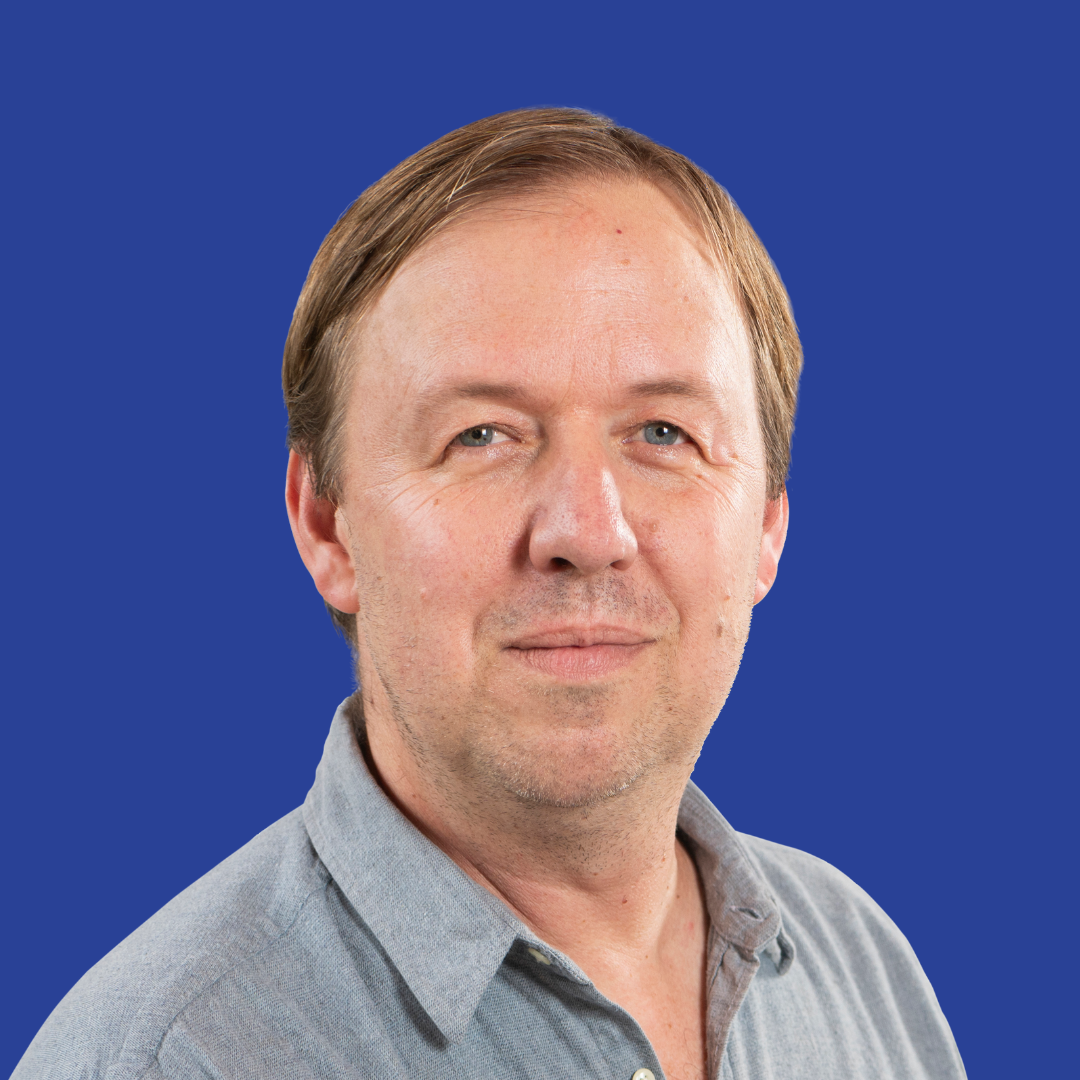
This week, our hosts Tom Rivett-Carnac and Paul Dickinson sit down for an exclusive interview with Paul Simpson as he exits his role as CEO of CDP after co-founding the organization over 20 years ago.
CDP began in a basement with a few committed individuals to bring about a livable future through the disclosing of environmental data from companies around the globe. While it may have had humble beginnings from a small basement office and only a few employees in 2000, today CDP reports directly on current disclosures that cover over 13,000 companies covering around 64% of global market capitalization.
So as Paul Simpson wraps up his last few hours on the job, we look back into the roller coaster ride of how CDP discovered that disclosure of information was a latent power that existed in the world, and how they transformed it into a positive force moving both business and government towards a Paris-Aligned trajectory.
And of course it’s just not our podcast without some amazing music, so this week we have the rootsy band Our Man In The Field with an intimate performance of their single, ‘Thin (I Used To Be Bullet Proof)’.
Enjoy the show!
—
Christiana + Tom’s book ‘The Future We Choose’ is available now!
Subscribe to our Climate Action Newsletter!
—
CDP
—
Thank you to our musical guest this week, Our Man In The Field!
Our Man In The Field
Spotify | SoundCloud | BandCamp
—
Follow @OutrageOptimism on social media and send us a message!
Facebook | Twitter | Instagram | LinkedIn
Don't forget to hit SUBSCRIBE so you don't miss another episode of Outrage + Optimism!
Full Transcript
Transcript generated by AI. While we aim for accuracy, errors may still occur. Please refer to the episode’s audio for the definitive version
00:00:00.720 --> 00:00:01.740
Tom Rivett-Carnac: Hi, listeners, it's Tom here. We have a very special episode of the podcast for you today. Paul Dickinson and I had the great pleasure and privilege to sit down with Paul Simpson, the CEO of CDP for 20 years, who is stepping down from his post on Thursday, which is the day this podcast comes out. This is the end of an era. Paul is one of the great leaders in the climate space, and this is just one chapter of his life. I'm sure he'll go on to do many other things. But in this interview, Paul Dickinson and I dig in with Paul Simpson to what it meant to him to run CDP for all these years, where the world is after all this work, and what comes next. It's a great conversation. You're going to love it. And stick around particularly for the credits at the end.
00:00:36.160 --> 00:00:37.980
Paul Dickinson: The credits particularly. You might be in them. You never know.
00:00:39.260 --> 00:00:40.200
Tom Rivett-Carnac: You never know. Here's the episode. Hello, and welcome to Outrage and Optimism. I'm Tom Rivett-Carnac.
00:00:56.632 --> 00:00:57.692
Paul Dickinson: I'm Paul Dickinson.
00:00:57.692 --> 00:00:58.912
Paul Simpson (guest, outgoing CEO of CDP): And I'm Paul Simpson.
00:00:58.912 --> 00:01:04.372
Tom Rivett-Carnac: This week, we have the conclusion of a 22-year argument between the two men I'm sitting in a room with. It'll all make sense in a minute. Thanks for being here. So I am beyond excited to be sitting in the room with these two men, and I'm just gonna give you a couple of minutes, listeners.
00:01:22.865 --> 00:01:24.245
Paul Dickinson: Why not these two people?
00:01:24.245 --> 00:01:25.425
Tom Rivett-Carnac: That's a good point, Paul, thank you. Paul's very good at correcting me on this. These two people, these two brilliant people. So 15 years ago, I had what I still consider to be one of the luckiest breaks of my career when I turned up at the offices of CDP, which is about eight or nine people at the time in a grotty office in North London for a job interview. And through some unknown reason, I was offered the job, and I talked to Paul Simpson, Paul Dickinson and Nigel Topping, former guest on this podcast. And CDP at the time was already a six, seven-year-old organization that was creating enormous strides to change the world. And I remember in my interview that I had with both of you, you said a couple of things. But one of them was that your ultimate boss was the ice caps, and that the strategy of your organization was to do what helped the ice caps melt as slowly as possible. And I've heard you say this, both of you, in speeches since then. It really made an effect on me, the broader way in which we can actually live in service to a shared objective. Now as I got to know you, many people said to me that what CDP actually is, is sort of like a marriage between the two of you. And at the time they said CDP is a seven-year argument between Paul Simpson and Paul Dickinson. And that argument or collaboration has now been going on for 22 years, which is an amazing length of time. And now, on the day this podcast is being released, Paul Simpson is leaving. And Paul, we have the enormous privilege of now having a conversation with you about 22 years of your life, what you've learned, where you've come from and what you're going to do next, or what the world should do next. So first of all, welcome to Outrage and Optimism.
00:03:00.925 --> 00:03:01.645
Paul Dickinson: Welcome, Mr. Paul.
00:03:01.865 --> 00:03:03.485
Paul Simpson (guest, outgoing CEO of CDP): Well, it's wonderful to be here. I've been listening and now I'm here. It's fantastic.
00:03:05.945 --> 00:03:07.605
Tom Rivett-Carnac: Now you're here, exactly. So should we just start off with a little bit of your story? So you joined CDP kind of right at the beginning. And can you just kind of set out for us that journey where you joined CDP, what you hoped the organization could achieve?
00:03:20.745 --> 00:03:22.345
Paul Dickinson: And what the hell is CDP?
00:03:22.345 --> 00:03:26.525
Tom Rivett-Carnac: What the hell is CDP and what the world was like at the time, the mountain that you had to climb? Because honestly, it was a really unlikely story all those years ago.
00:03:31.025 --> 00:03:36.825
Paul Simpson (guest, outgoing CEO of CDP): Well, I first met Paul Dickinson and Tessa Tennant at a conference in the mountains of the Netherlands. There aren't actually any mountains in the Netherlands.
00:03:39.645 --> 00:03:41.345
Paul Dickinson: That's not very believable.
00:03:41.345 --> 00:03:44.505
Paul Simpson (guest, outgoing CEO of CDP): There were some tiny hills in the south of the Netherlands, a place called Vaal. We met at a social venture network conference. Social venture network came from the US called The Donuts, people who give away money to do good. Anita Wadet brought it to Europe. Anyway, we met there. We didn't know each other. CDP wasn't even an idea or a thing. Paul Dickinson tried to get me to work with him on a website called sustainabledevelopment.co.uk.
00:04:04.705 --> 00:04:05.585
Tom Rivett-Carnac: You astonished me. He's still doing things like that.
00:04:06.685 --> 00:04:12.465
Paul Simpson (guest, outgoing CEO of CDP): And I said, well, it's kind of interesting, but I'm off to the Himalayas and then New Zealand and I'll talk to you in a while.
00:04:12.465 --> 00:04:13.885
Tom Rivett-Carnac: By the way, what did you do in the Himalayas?
00:04:13.885 --> 00:04:16.645
Paul Dickinson: Because that is an interesting thing you did.
00:04:16.645 --> 00:04:32.625
Paul Simpson (guest, outgoing CEO of CDP): I worked for a woman called Helena Norberg-Hodge, the International Society for Ecology and Culture, trying to bridge globalization and localization, what the local indigenous communities know and need and can offer to the world and how can we avoid them getting trashed, quite frankly, by globalization. The wisdom in indigenous communities could help globalization be better. So we were trying to be a bridge between tourists and the indigenous community in the wonderful Himalayas in Ladakh, 4,300 meters above sea level.
00:04:46.205 --> 00:04:47.525
Tom Rivett-Carnac: Amazing.
00:04:47.525 --> 00:04:52.405
Paul Simpson (guest, outgoing CEO of CDP): But back, so I came back from New Zealand and I was skinned, looking for a job. And I thought, this is kind of crazy guy I met in the Netherlands a while ago. I'll see if he wants to go for lunch. And Paul Dickinson has ever, you know, will always go for lunch. So we went for lunch.
00:05:01.625 --> 00:05:03.805
Paul Dickinson: Or dinner or breakfast or anything, really.
00:05:04.045 --> 00:05:06.005
Paul Simpson (guest, outgoing CEO of CDP): We went for lunch and credit to Paul. He said, well, I'm working with this woman, Tessa Tennant. I said, well, I did meet her in the Netherlands. We've got this amazing idea. We're going to transform the world. Very good salesperson, this Paul Dickinson.
00:05:17.105 --> 00:05:19.405
Tom Rivett-Carnac: It's quite a high level sales pitch, though, isn't it?
00:05:19.405 --> 00:05:21.065
Paul Simpson (guest, outgoing CEO of CDP): Very high level. That's what brought me in. Long story short, Paul said that what we want to do is get investors to instruct corporations to reduce greenhouse gas emissions. The simple thesis was that we'd had the then most recent IPCC report in I think the year 2000. We'd all read it. We were all petrified, terrified about what was coming. This is a long while ago, but they all said the same thing. They just get more and more serious.
00:05:45.245 --> 00:05:48.385
Paul Dickinson: By the way, listeners, it came, but sorry, carry on.
00:05:49.925 --> 00:05:53.145
Paul Simpson (guest, outgoing CEO of CDP): We're very worried about climate change at that point, still are. If you think about governments are beginning to think about how do we regulate on climate change, protect the public good, the problem is corporations are going to stop them. This is Paul Dickinson's thesis, pretty accurate in many ways, not completely true these days. Long story short, we needed to bring the investment community in because they control the capital, they can influence the corporations, and they're the long-term owners of everybody's capital. So how do we get them to protect society from climate change?
00:06:23.985 --> 00:06:27.465
Tom Rivett-Carnac: Which is amazing if you think about how new that idea was, right? I mean, this is like year 2000, 2001, something like that. Really, investors weren't in any organized way trying to think about how climate change is going to affect the economy, which of course now is front and center of many structures.
00:06:39.245 --> 00:06:41.545
Paul Dickinson: It's not that they weren't doing it in any organized way, they weren't doing it.
00:06:41.545 --> 00:06:42.725
Tom Rivett-Carnac: Right, okay.
00:06:43.225 --> 00:06:45.705
Paul Simpson (guest, outgoing CEO of CDP): Most of them didn't even really weren't sure if climate change was real.
00:06:45.705 --> 00:06:46.205
Tom Rivett-Carnac: Okay. So take me to the next step, what happens, you have this bonkers idea, what happens next?
00:06:52.525 --> 00:06:55.505
Paul Simpson (guest, outgoing CEO of CDP): Well, then it's the power of the exam question, right? How are we going to leverage investors' power to address climate change? You could phrase it in different ways, Paul might. But that was the exam question. Well, first of all, who are the investors? Who is all this money? It's people who are lucky enough to have it. It's aggregated in the investment community, who then have immense power over corporations. Could we get them to instruct companies to reduce emissions? We went around, Tesla's Rolodex, Tesla founded Social Responsive Investment in the UK, so it had a great Rolodex of investors, asked them the question. People sort of shrugged, pulled their hair, pulled funny faces. No one really knew what to say. Can you as investors instruct companies to reduce emissions? The broad answer was no. A, we're not sure we should be doing it on climate change. What is climate change? Is it real? Is it really a risk? Surely, it's a long way in the future. But then secondly, even if we thought climate change is a problem, we as investors cannot instruct management what to do. And if we do, they'll invest to reduce emissions. This was the thinking. Profits will go down and then we'll fire or punish management. So the feedback loops didn't even work.
00:08:00.785 --> 00:08:02.585
Tom Rivett-Carnac: That was a widespread perspective, right? Yes. And so, but you did. So tell me about that. You did get investors on board.
00:08:08.165 --> 00:08:08.565
Paul Simpson (guest, outgoing CEO of CDP): We did. We were accused of smoke and mirrors. And of course, the mail had been a bit of a smoke and a couple of mirrors. So really, what we realized, if you ask one investor, will they sign a letter to request disclosure from companies they invest in?
00:08:23.725 --> 00:08:31.845
Paul Dickinson: And so that's a key point, is pulling back from that rather assertive telling companies to reduce emissions to saying, all right, well, disclosure. We're asking for information.
00:08:34.245 --> 00:08:34.645
Tom Rivett-Carnac: Oh, I see. So the first iteration was to ask them to reduce.
00:08:36.865 --> 00:08:37.645
Paul Dickinson: Which we couldn't do.
00:08:38.085 --> 00:08:38.505
Tom Rivett-Carnac: I see. And so then you asked them to just measure and disclose and have transparency in the first step.
00:08:42.945 --> 00:08:43.325
Paul Simpson (guest, outgoing CEO of CDP): Exactly. Because some of the smart, passionate people in the investment community said, we can't instruct management to do something. What we need is data. We don't have any data. If you go away and get us data, we can then work out what to do. That's what led to Carbon Disclosure Project CDP.
00:08:57.565 --> 00:08:59.905
Tom Rivett-Carnac: And you were presumably doing this all on a shoestring. By the way, we weren't called Carbon Disclosure Project.
00:09:01.285 --> 00:09:03.405
Paul Dickinson: We were actually called Carbon Exposure Project. And then a wonderful lady called Arianne Van Buren, who was working at Sarah's, said no, no. Carbon Disclosure. We were like, yeah, no, that's better.
00:09:11.025 --> 00:09:11.865
Tom Rivett-Carnac: Okay. So then this group of investors built, and you started sending letters.
00:09:15.245 --> 00:09:18.405
Paul Simpson (guest, outgoing CEO of CDP): Well, in just this moat and mirror, so we went around and said, would you sign this letter? And everyone said, well, first question, who else has signed it? Nobody yet, because we're just in the process of building a group to sign it. Would you sign it? Who else has signed it? So we managed to get 18 investors who said, I will sign it if somebody else does.
00:09:32.665 --> 00:09:35.945
Paul Dickinson: They allowed us to say that they were intending to sign it.
00:09:35.945 --> 00:09:36.345
Tom Rivett-Carnac: Oh, God. So you had to go around saying, well, if you do, then we've got another group.
00:09:39.925 --> 00:09:44.765
Paul Dickinson: Will you allow us not to say that you're going to sign the letter, but to say that you're intending to sign it?
00:09:44.765 --> 00:09:45.485
Tom Rivett-Carnac: Oh, my God.
00:09:45.485 --> 00:09:47.045
Paul Simpson (guest, outgoing CEO of CDP): If others do. No one's really very willing to put their head above the power of it at that point. But Paul Dickinson emailed 18 investors saying, you've all said you intend to sign if others do, all transparent who the others were, now please sign. Important to note, there was one slight hiccup before that where an American investor said, well, we would intend, but your letter says, as investors, we wish to better understand the risks and opportunities from climate change. We can't say that. We cannot, as an investor, say that climate change is real. You have to put the word-
00:10:17.205 --> 00:10:19.005
Paul Dickinson: It's basically communism, climate change. So if you, you know, sorry.
00:10:20.245 --> 00:10:22.125
Paul Simpson (guest, outgoing CEO of CDP): You have to put the word perception in there. So there were loads of sort of step backs, weakening from the original thesis in order to move forward. And that's just life, isn't it?
00:10:28.565 --> 00:10:36.485
Paul Dickinson: But you know, other than that, we could prove that there were actions in response to the perception of climate change, because there was something called the Climate Change Levy on UK electricity bills. So even though we couldn't say climate change was real, we could say there were actions in response to the perception of climate change. And that got us through.
00:10:44.885 --> 00:10:48.025
Paul Simpson (guest, outgoing CEO of CDP): And then suddenly, so we send this email to 18 investors. Of course, thankfully, they all said, yes, we'll sign. When we got 18, we could go to the other 50 we've been talking to. And we ended up with 35 investors with a cumulative $4.5 trillion of assets. On the 31st of May, 2002, signing a letter to the 500 largest companies in the world to the chair of the board. So investors should communicate with the chair of the board. That's their key touch point if they have a problem with a company and sent registered posts by UPS so that we could guarantee every company who received it.
00:11:17.085 --> 00:11:18.805
Tom Rivett-Carnac: So this is even like email. Did you email it as well or this was just sent in the mail?
00:11:20.905 --> 00:11:21.905
Paul Simpson (guest, outgoing CEO of CDP): We didn't have their email.
00:11:22.025 --> 00:11:23.125
UNIDENTIFIED SPEAKER — please verify (likely Paul Simpson echoing his own prior line, mistagged): We didn't have their email address.
00:11:23.165 --> 00:11:25.165
Paul Dickinson: There are dinosaurs flying across the earth. This is 2002, a long time ago.
00:11:28.265 --> 00:11:31.205
Paul Simpson (guest, outgoing CEO of CDP): It's worth pointing out, when I started at CPI, I did not own a mobile phone. I went for lunch one day and got back on my landline. There's a message from Tessa saying, Paul, I've been trying to get hold of you for one hour. That's exactly right. One hour, please buy a mobile phone. It's a true story. My children don't believe me. Anyway, so we got this letter and the reason it was UPS delivered, we could prove it be sent. And then Swiss Rea, who are one of the signatories, very clever, said, Exhibit A in any future lawsuit against company or directors and officers will be the CDP letter 31st May 2002. We put the companies on notice as a risk.
00:12:05.465 --> 00:12:08.205
Paul Dickinson: How could they say climate change wasn't real at the time? Can I also just throw in an unfun fact? Please. We were...
00:12:12.305 --> 00:12:13.785
Tom Rivett-Carnac: Always love your unfun facts. Thank you, Paul. They live in our days.
00:12:15.345 --> 00:12:23.645
Paul Dickinson: We were stuffing the envelopes ourselves manually by hand so we could see the address labels of the chair of the board of the 500 largest companies in the world in 2002.
00:12:23.645 --> 00:12:26.025
Tom Rivett-Carnac: So this is the two of you in a basement with 500 letters.
00:12:26.025 --> 00:12:26.445
Paul Dickinson: That's correct.
00:12:26.445 --> 00:12:28.305
Paul Simpson (guest, outgoing CEO of CDP): A couple of other people were helping.
00:12:28.305 --> 00:12:30.425
Paul Dickinson: But we wrote to two women. The next year when we wrote to the chair of the board of the 500 companies, we wrote to one woman and then the third year two women. So when something is fluctuating between 99.6 and 99.8% one gender, it is basically segregation. So just to say, if you are wondering why the world is in so much trouble, it is because men were running everything. Hopefully that will change.
00:12:47.905 --> 00:12:50.005
Paul Simpson (guest, outgoing CEO of CDP): But Paul, I do remember you getting slightly excited. I am signing a letter to Jeff Immelt. I am signing a letter to Bill Gates.
00:12:53.245 --> 00:12:53.445
Paul Dickinson: I was.
00:12:53.445 --> 00:12:57.005
Paul Simpson (guest, outgoing CEO of CDP): I was signing a letter to Lee Raymond, who was the CEO of ExxonMobil at the time. We then got into quite a conversation. If you are the CEO of a large fossil fuel company, how much power flesh do you have? Power flesh as you get older, you get this very large amount of flesh under your chin because you have been too wine and dine, basically. I mean, we are all at risk of it, but just watch out. Right.
00:13:12.185 --> 00:13:15.825
Tom Rivett-Carnac: Well, I am getting a bit of an insight into this 20-year argument that is conversation between you two. I am also just noticing 31st of May, we are now the end of June. That is almost exactly 20 years ago that you were doing that. That is kind of amazing, actually. And unfortunately, I mean, there is a long arc of that, right? But to go through that, what did you find in the first year? And then what changed in the next years? Because you put in train a process in 2002 that has continued every single year for the last 20 years between now and then. I remember working here, it is like, there is this annual cycle of the letters go out, people respond, you know, et cetera. So just tell us where we were at the beginning in terms of the response to climate. And then I would love to know what that arc looked like.
00:13:53.545 --> 00:13:58.405
Paul Simpson (guest, outgoing CEO of CDP): Well, the interesting thing is that the first questionnaire was seven questions on one side of A4 paper. The CDP questionnaire is a little bit longer these days. Firstly, but secondly, 245 out of 500 companies responded with some form of disclosure.
00:14:06.905 --> 00:14:07.545
Tom Rivett-Carnac: That's a lot, right? I mean, that's surprising, yeah?
00:14:08.805 --> 00:14:12.125
Paul Simpson (guest, outgoing CEO of CDP): The investors said, we normally get 10% or 15% responses. We were getting close to 50% because, you know, the union makes the force. More than one investor, they're joining up, saying one investor, two investors, three investors, four investors, starting to send a small signal. So that really helped. We had these 245 responses and Paul and Tessa and Jeremy and I sat around and said, well, what do we do now? Because we didn't have a plan. It was called the Carbon Society Project. It was just a project. It was not an organization. And then we said, well, hold on, this is like, you know, financial accounting. Corporations are used to an annual cycle. How do markets work? Corporations are used to annual cycle of financial accounting. We had a meeting with all the investors and said, should this become an annual cycle? And they all said yes. And so it's really bringing, you know, institutionalizing something into markets. Ultimately, the markets are used to that very cycle. And then it just grew from there. I said, how do we get more investors? The moment you have some, others are easier to get in. And companies would say, well, I'm responding because my investors have asked me, but now my competitors are doing it, so I really better do it. We used to call ourselves voluntary, or people would call it a voluntary disclosure system. Actually, no, we're market led. We use the power in the authority of money, really. So investors and later procurement to drive change.
00:15:24.985 --> 00:15:26.785
Paul Dickinson: So just some fun facts about... These are fun facts now. They're all fun facts. It's just the first one was so depressing, I couldn't call it fun. But a lot of the early responses said, we haven't got these data, but we will get them. So that was a really strong signal to go and do a second year and a third year. Secondly, just one thing, I remember the very first response from any corporation was from Marks and Spencer in the UK. And they said, if we can get the washing temperature down by using different detergents, we can cut up half a percent of the UK electricity bill. Good system thinking.
00:15:59.225 --> 00:16:02.385
Paul Simpson (guest, outgoing CEO of CDP): Sorry, it wasn't actually the very first response because...
00:16:02.445 --> 00:16:03.305
Paul Dickinson: Oh, you're right. You're absolutely right.
00:16:04.485 --> 00:16:12.005
Paul Simpson (guest, outgoing CEO of CDP): Royal Bank of Scotland, who had asked to be a signatory investor and became one, credit to them, they actually sent us the fielding questionnaire.
00:16:12.345 --> 00:16:13.385
Paul Dickinson: Before we'd sent it.
00:16:13.385 --> 00:16:15.085
Paul Simpson (guest, outgoing CEO of CDP): We didn't ask for the questionnaire to be filled in. We asked you to sign the request to companies. Very wise, though. We're not going to ask companies to do something we can't do ourselves. There's some wisdom in that.
00:16:23.365 --> 00:16:24.725
Paul Dickinson: And final fun fact. American Electric Power came in reporting about 150 million tonnes of CO2, for example. These are big numbers. Suddenly we noticed that recognizable percentages of the world's emissions were being reported to a windowless basement.
00:17:28.425 --> 00:17:29.005
Paul Simpson (guest, outgoing CEO of CDP): Very much right. When Daniel used to get excited, he used to bang his head on the ceiling because it was quite low. Sorry, Daniel. We had lots of fun. If it's not fun, it's not sustainable. You've got to have fun.
00:17:38.685 --> 00:17:39.845
Tom Rivett-Carnac: It's lasted all this time. I'm just curious, the first year you wrote to 500 companies and you had 245 responses, what was it this year?
00:17:47.485 --> 00:17:49.405
Paul Simpson (guest, outgoing CEO of CDP): Well, it's an annual cycle. We're in 2022. In 2021, we had 13,000 companies representing 64% of global market capitalization, more than half the world's companies in value, disclosing through CDP.
00:17:59.965 --> 00:18:03.745
Tom Rivett-Carnac: More than half the world's companies in value, disclosing through CDP.
00:18:03.985 --> 00:18:06.865
Paul Dickinson: And over 1,000 cities actually in many states and regions. So, yeah, an amazing collaboration.
00:16:36.305 --> 00:16:37.065
Paul Simpson (guest, outgoing CEO of CDP): With a rat.
00:16:37.065 --> 00:16:37.425
Paul Dickinson: With a rat.
00:16:37.645 --> 00:16:38.845
Paul Simpson (guest, outgoing CEO of CDP): Are we allowed to talk about the rat?
00:16:38.845 --> 00:16:39.905
Tom Rivett-Carnac: Talk about the rat.
00:16:39.905 --> 00:16:42.645
Paul Simpson (guest, outgoing CEO of CDP): Well, I was at Working From Home, as we did a lot in those days. Daniel Turner is one of our early colleagues, about 6 foot 3, is in the office. Zoe Cholak-Antis is also in the office. Zoe phones me up and says, Paul, there's a rat. Daniel's on the table screaming. I don't know what to do. I said, phone Paul Dickinson. He always knows what to do. Next thing I know, Paul Dickinson has gone out, brought the wire wool and the expanding foam, put it in and don't expand.
00:17:04.365 --> 00:17:06.145
Tom Rivett-Carnac: Paul, this is very impressive.
00:17:06.145 --> 00:17:08.505
Paul Simpson (guest, outgoing CEO of CDP): This is not normal behavior for Paul Dickinson. Normally when there's a problem, he's like, I'm really busy. I've got to go somewhere else.
00:17:12.005 --> 00:17:14.965
Paul Dickinson: But he saved the day that time. These were miserable offices. We lived for seven years in a windowless basement, men inspired rats, but they were donated by our dear friends at Rufus Leonard, a design company. It was a rough and ready start up, right?
00:18:09.625 --> 00:18:20.965
Paul Simpson (guest, outgoing CEO of CDP): And if you take the investors, Bob Monks in 2001, who was then a very well-known investor activist, said to us, if you can get a trillion dollars of investment capital, you have good bragging rights, you'll get some attention. We got four and a half in 2002. In 2021, no, sorry, in 2022, we have 130 trillion dollars of investment capital asking for disclosure through CDP. That is more than half the world's money.
00:18:34.925 --> 00:18:42.745
Tom Rivett-Carnac: So I'd love to just invite you both to reflect on one interesting element of CDP, which is, I mean, look at what you've done in 20 years, right? You've gone from a couple of people in a basement with a rat, a couple of hundred companies, investors not wanting to disclose, to half the world's money, more than half the world's companies by value, now disclosing through this system that is, as you said, voluntary. What you've done in one telling of that is you have created a new form of political power, right? You have managed to focus the power of the money in the markets to shine sunlight into the system and expose something that was previously not there. But it's a sort of weird kind of power, right? I mean, you said smoke and mirrors at the beginning. It's definitely not smoke and mirrors now. We're sitting in the office with a couple of hundred people. I mean, this is a big operation here in London. But how do you think about that kind of power? What can it achieve in this world? We always talk about the fact that the power structures of the previous century aren't appropriate for helping us to break through the barriers that we've got now. You've created a new form of power. I'd love to just hear you both reflect a bit on what that is and what it can achieve.
00:19:41.605 --> 00:19:45.485
Paul Simpson (guest, outgoing CEO of CDP): Well, I think, and I know Paul Dickinson might have a slightly different perspective from me, which will be valuable. The yin and the yang of 2100 years of partnership.
00:19:48.825 --> 00:19:50.405
Paul Dickinson: As my two eyes make one insight.
00:19:50.405 --> 00:19:53.125
Paul Simpson (guest, outgoing CEO of CDP): But I haven't finished, actually.
00:19:53.125 --> 00:19:54.385
Paul Dickinson: Pardon me.
00:19:54.525 --> 00:19:58.645
Paul Simpson (guest, outgoing CEO of CDP): If we have an argument and can't resolve, we ask the ice caps, because the ice caps always know.
00:19:58.645 --> 00:20:00.005
Tom Rivett-Carnac: Okay, do they always answer?
00:20:00.005 --> 00:20:00.945
Paul Simpson (guest, outgoing CEO of CDP): Well, they always answer. But just to point out, our mission was not the ice caps melting at a slower rate. They must be refreezing. The ice caps will only be happy when they're refreezing. Clearly not happening.
00:20:08.465 --> 00:20:09.285
Paul Dickinson: It's not going that well.
00:20:10.665 --> 00:20:12.745
Paul Simpson (guest, outgoing CEO of CDP): At the moment, but back to the question of power. We do jump around, don't we? Back to the question of power. I think that the point of CDP was to make an intervention in the system. What do I mean by the system? There are human systems, there are systems of capital markets, economics. So we turn down, how does the system work? Where can we intervene? Where is the power concentrated? Who has the power to make decisions and to influence change? We chose, people tend to choose either the investment community, they control a lot of money on other people's behalf, governments because they get the votes, they get the power. You could argue corporations as well, particularly when they act together. So different forms of power, ultimately it's the people who have the real power. But how do we use it?
00:20:52.205 --> 00:20:53.485
Tom Rivett-Carnac: Hard to wield.
00:20:53.805 --> 00:20:55.525
Paul Simpson (guest, outgoing CEO of CDP): Hard to wield, hard to unify. How do we use the people power to influence the systems that we the people have created? There are systems, there are people. There's nothing else, it's all nature and people. So really, we look at the power is the money. If we can get investors to ask companies to do something, companies are likely to do it. So it's trying to sort of, I don't know if it's quite jiu-jitsu, but it's like capturing the power that exists in the system and directing it in a different way. Could you agree with that?
00:21:20.845 --> 00:21:21.245
Paul Dickinson: No, 100%. But also how it shows up, that power. I mean, companies live or die, management fall or rise is based upon the annual financial results. So there's a whole deeply, in the DNA of the capital markets, of corporations is annual financial reporting. So by getting annual environmental reporting on your greenhouse gas emissions or whatever, that data then goes into a big accountability system. And CDP for a long time has been getting that data out to companies like MSCI and FTSE and S&P who put it in their products and on the Bloomberg terminals.
Load More
00:21:56.885 --> 00:21:58.525
Tom Rivett-Carnac: These are all, just explain what those companies are.
00:21:58.745 --> 00:22:04.165
Paul Dickinson: Well, they're financial intermediaries, really, who package up information for investors principally. But I mean, actually, oddly enough, anyone listening to this program can go to the cdp.net website and download responses from giant companies up to a certain number you can download for free. And we really welcome the idea that great corporations are accountable, not just for their financial performance, but for their environmental performance.
00:22:22.705 --> 00:22:23.625
Tom Rivett-Carnac: So that's fascinating. And I love what you just said, Paul Simpson, about... I love everything Paul Dickinson says, of course. But specifically, you just said, it's the jiu-jitsu move of working out where the power exists already latent in society, and then focusing it in order to solve solutions. So talk a bit about, because in a way, investors, despite that remarkable growth in investors standing behind you and corporations responding, that's only one of the forms of power that you've leveraged. So talk about how you've expanded that in other ways.
00:22:52.145 --> 00:23:00.765
Paul Simpson (guest, outgoing CEO of CDP): Yes, after getting some success with the investment community, we realized that actually companies have immense power through their procurement. So we launched a supply chain program where big corporations ask their suppliers to disclose. Now we have 250 multinationals, most importantly with $5 trillion of annual procurement spend. So when those big companies ask their suppliers to disclose, if it's just one company's suppliers, maybe if we can get four multinationals to ask one company to disclose, we'll always get some disclosure because the management will sit there and say, this is X percent of our sales. Of course we're going to give these people some information. You have the power of investment, the power of procurement. You either have the power of competition. So many companies would say, well, our investors are asking us, but also our competitors are doing it. We can't be seen to be left behind our competitors. There's so much fear about how do we compare to each other. We have that as humans, companies have it, investors have it. In fact, almost sadly, for quite some time, it's changed now, the investors who had access to the data would first look at their competitors before looking at the companies they invest in. That's changed now because now the investment community has woken up, this is a major risk, you need to use the data to be better in selling your products.
00:24:09.825 --> 00:24:23.445
Paul Dickinson: One more fun fact, Paul says that we realized that Purchase had a great authority, but shout out to all the interns listening, it was actually an intern at Walmart, she worked out that it would be really cool to share CDP with the supply chain. And so Walmart then contacted us and we were like, oh my, this is the biggest thing in the world.
00:24:28.465 --> 00:24:30.205
Paul Simpson (guest, outgoing CEO of CDP): Completely true, no, completely true. And another bit of power is that, you know, when you're a teenager, you're preparing for your exams, you have to do exams, you get an A, B, C or D, pretty nerve wracking, right? It's an amazing time because you get stretched and grow, but you get judged and how do you perform against your peers? Well, CDP is really, and Paul Dickinson often says this, a global examination system for all the world's companies and cities and states and regions. They get ranked. How good is their disclosure? How good is their climate and environmental performance? And those rankings have enormous impact. I've had people phone me up and say, well, this is ridiculous. You know, I have only got a B, I'm not going to get my bonus this year. I've had other people phone me up and say, Paul, we got an A, I don't want an A, I need to persuade my board to give me another, you know, 50 million for investing in environmental projects. If you give me a B or C, I can argue a business case, I need more investment to do more. And of course, you know, the worst ones are the kind of F, right? F is failed to disclose. It couldn't even be bothered to provide any more information. Who wants to fail? Well, sadly, 17,000 companies last year didn't disclose CDP when asked. Everybody should find out who they are. It's all on the CDP website and go after them.
00:25:38.865 --> 00:25:44.645
Tom Rivett-Carnac: So that's, I want to get in a minute to like what you found in terms of, because we talked about disclosure and the use of that power. I want to get to like what you found in terms of how the world is now dealing with the crisis. But I also just want to ask one more question about power and authority, which is the original brilliant idea to focus this power on a particular outcome, put you all in a position of considerable responsibility to work out how it gets focused, what questions are asked. And someone might look at this and say, on what authority are they deciding what should and shouldn't be asked in those questions? Because if you have most regulators or forms of authority are the result of elected power, I mean, you could look at this and say, isn't this an unelected NGO that's used the power of the market to focus it on issues that they think are important? Like, how do you answer that question? How do you wield power responsibly once you've grown up?
00:26:36.905 --> 00:26:37.865
Paul Simpson (guest, outgoing CEO of CDP): Well, great question. And firstly, you have to earn and keep trust. Why did investors say, well, yes, we will let you use our name to request disclosure? Why did those 245 and then this growing number every year of companies disclose? Two reasons, I think. One is that we have always acted purely in the public good. We're not here to serve ourselves. We have grown an organization because everything else has grown to grow impact. But it's not self-fulfilling, ultimately. It's actually about public good and the mission. So we're super true to the mission. One, and then the other thing is to behave very professionally. Don't mess about. Don't disrespect people. Build relationships. Treat their data carefully. Hold into account, yes. Be clear what you're going to do. If I show up at your house and say, Tom, I've come to your house. I'm going to do X and Y and Z in your garden. Now, if you really understand it, you might let me. If you don't, you won't.
00:27:26.365 --> 00:27:28.145
Tom Rivett-Carnac: You're welcome to come and do anything in my garden, by the way.
00:27:28.145 --> 00:27:28.945
Paul Dickinson: If you want to come and, you know.
00:27:28.945 --> 00:27:30.665
Paul Simpson (guest, outgoing CEO of CDP): Can I come and swim in your pool?
00:27:31.785 --> 00:27:33.525
Paul Dickinson: Tom's built a pool full of dead frogs.
00:27:33.525 --> 00:27:34.865
Tom Rivett-Carnac: It's actually a pond, exactly.
00:27:34.865 --> 00:27:36.765
Paul Simpson (guest, outgoing CEO of CDP): It's a pond. No, what else did you say?
00:27:38.885 --> 00:27:40.125
Paul Dickinson: I think you put it perfectly. Is that going out to the investors each year, to the purchasing organizations each year and saying, we'd like to use your authority again. These are the questions we're planning to ask.
00:27:49.645 --> 00:27:50.165
Tom Rivett-Carnac: I see.
00:27:50.165 --> 00:27:53.365
Paul Dickinson: So essentially, it is built on annual cycles of consent. And we're incredibly transparent in public. So when we do our public consultation on what the questions should be for the following year, literally thousands of experts all over the world write to us. And I think we're very pleased and proud to be a sort of nexus of a global brain working on this and evolving this and with, as you said, real power used correctly to... So companies can sort of be their better selves.
00:28:16.325 --> 00:28:20.165
Paul Simpson (guest, outgoing CEO of CDP): And the other thing to say that it's easy in the world to say, well, companies are all bad, right? And of course, some are and some many do bad things. But there's a whole system here, again, that humans have created. And within these companies and investors and governments, there are many amazing people who get it, who want to drive change. You know, most people want to do well, I would argue. So it's finding those people who then say, wow, you've given me an outlet to push something else forward against the system. But it isn't actually a person.
00:28:43.325 --> 00:28:45.005
Paul Dickinson: A final super important point. It's kind of obvious, but we are a not-for-profit organization. So we're a UK registered charity. We're involved in other not-for-profit structures around the world. We've received extraordinary backing from people like the UK prime minister wrote a letter for our first launch. Madeleine Albright spoke at our first launch in 2003 in the US. The Secretary General of the United Nations.
00:29:01.405 --> 00:29:02.245
Tom Rivett-Carnac: Christiana Figueres.
00:29:02.265 --> 00:29:03.545
Paul Dickinson: Christiana Figueres. The Christiana Figueres. Dame Christiana Figueres. But no, I mean, honestly, Angela Merkel wrote the introduction to our German report when she was first chancellor in 2006, spoke at our launch last year in Berlin, the prime ministers of Japan. And all politicians kind of love us because they can see that we represent the sort of power of the market to kind of correct itself.
00:29:22.385 --> 00:29:23.685
Tom Rivett-Carnac: It's an interesting point, though, isn't it? You know, and one that is the result of success, right? I mean, you become successful, you become powerful. And then how do you wield that power in a manner that continues to grow the success? But that's it's very interesting to hear you reflect on it. I'd love to ask, I mean, our listeners are all over the world, all kinds of different people, people who would sort of be very predisposed to the idea that business contains much of the solutions to climate, and those who would say that business is causing the problem. There's very few people in the world who would be as well positioned as you, and you, Dickinson, I'll say that.
00:29:57.365 --> 00:29:58.345
Paul Dickinson: No, I'm pointing at Paul. It's a difficult question, and I think Paul's going to answer very well.
00:30:01.085 --> 00:30:09.165
Tom Rivett-Carnac: I'd love you to just give us a, you know, from your sitting in the seat you're in, you're out of this job on the day this podcast comes out, you've stepped down after all this time. How is the corporate world doing in response to this challenge? Have we come, if you look back to all those years ago, are you pleased with the progress? Do you wish we'd gone further? How do you judge our success or otherwise?
00:30:24.985 --> 00:30:26.965
Paul Simpson (guest, outgoing CEO of CDP): I mean, we made enormous progress, right? You know, it's literally 21, 22 years ago, head in the sand, people are not even aware, you know, was climate change real? Was it really a problem? If it's a problem, it's so far in the future, we're focused on the now. The business cycle is really, you know, five years planning at the maximum. So we've made enormous progress. I think we've won the battle on awareness, right? Everybody, because there was very little awareness then. Everybody gets climate change is a massive problem, it's human's responsibility, we have to do something, first point. Secondly, not only is it a problem, we have to act. We collectively have responsibility. Now, there are clearly some in the business system that are still reneging on that. I'll come on to that in a minute. But I think, generally, most large, well-run businesses, we really know we have responsibility, we have to act. So great, almost like base one is achieved, base two is achieved. Where we are now is we need a radical transformation of the global economy super quickly. In the next eight years, emissions need to go down 7% per annum to get to where we need to be in 2030, a 50% cut, 45 to 50, but let's aim for 50 in case we're short. So it's how quickly can we transform? And I think the challenge then is that the global business system, as Paul Diaz said, is set up to, in one sense, make money. The other thing is to provide what people want. And people want lots of things, people are not homogeneous, but there you have lots of business saying, well, we want to be part of the solution, we can make money out of being the solution, this is a huge growth opportunity, but you still have a lot of businesses who understand and be like, we're providing something that still has utility currently for some people, they're willing to pay for it, but maybe we don't have a business of the future, and then you see this, like, still some parts of the business system gripping on. You know, I mean, the fossil fuel industry is the worst part of that, but there are other parts, and it's how do we pick away each sector to get that transformation? We need energy, right? So, you know, is the fossil fuel company going to become an energy company of the future, or a dead fossil fuel company of the past? It's up to them, but there's still a lot of entrenchment. I would say my biggest concern is the businesses who are putting the brakes on regulation. Most governments are trying to regulate to address this problem. Is it enough? No, but again, lots of good regulation. There's a massive wave of disclosure regulation coming. Then we need a bigger wave on transition planning, incentives. How do we accelerate the change and transformation? So any company that's blocking regulation is unacceptable. The investors should be given their hard time. People should stop buying from them. Paul Dickinson also always said, well, you vote with your money, right? So we vote at the electoral polls.
00:32:58.925 --> 00:33:00.405
Paul Dickinson: That was Madeleine Albright's phrase. I was just copying. She said at our launch.
00:33:02.965 --> 00:33:06.225
Paul Simpson (guest, outgoing CEO of CDP): But yeah, every time you buy something, you're fighting for it to be there again. Right. So every single thing you buy, it doesn't matter if it's a penny suite, a car, a house, a beer, everything you buy, you're telling the markets you want it again. So you have to think very consciously, like, what am I buying? What are the signals I'm sending? So I think the business system is kind of, we need the business system. It has enormous potential to be part of the solution. We have to find solutions to the part of the system that either feels threatened or is holding on unnecessarily.
00:33:31.845 --> 00:33:39.685
Tom Rivett-Carnac: So Paul, I want you to come in, but I just want to dig one step deeper into that, because you referenced the amount of me have still to climb to 2030, right? There's different ways of looking at this. One way is to say, the last 20 years, we have made enormous progress and we're now geared for the big jump in the next few years. And the other way is to look at it and say, we still haven't really done it, right? We've sort of, we've made some progress. There's been a few technology changes, but that's 7%. I mean, that is a nightmare now that we need to make that kind of deep emissions cuts. I mean, do you feel that business is where it needs to be in order to... That's a really tall order from here. Do you feel that the leaders you see in business, the investment plans that are out there, gives you confidence that business will play a really meaningful part and will be part of that success over the next few years?
00:34:21.545 --> 00:34:23.425
Paul Simpson (guest, outgoing CEO of CDP): Business will definitely play a meaningful part. And if you look at all... Again, nothing's homogeneous. If you look at all businesses, maybe 10% or 20% or 30% of the businesses are progressive. They get it. They're really pushing hard. They still need to do more. We all need to do more. But they're sort of geared up to be a massive part of the solution. You've probably got a third part of the problem that need regulation and different change. And the rest is on the fence. All the time we're getting more and more businesses to move into the positive solutions. Every day, every week, people are waking up, people are realising and the economics are changing. The pressure from the investment community is increasing. The regulation signals. So we're in the great transformation. The question is, what are the further interventions need to accelerate that? Because right now, we're not on track. The metaphorical boss, the ice caps, is really unhappy. Paul Dickinson, Paul Simpson, you haven't done your job properly. I'm melting. Sort it out, right? It's not solely on our shoulders, thankfully. There's a lot of people...
00:35:17.405 --> 00:35:18.025
Paul Dickinson: I blame you.
00:35:18.765 --> 00:35:20.545
Paul Simpson (guest, outgoing CEO of CDP): Well, you're not taking your own responsibility, Tom. What are you going to do about it?
00:35:22.065 --> 00:35:23.365
Paul Dickinson: What are you going to do? I'm going to just add a little bit, which is you asked this business in the right place. No, it's obviously not because the emissions are out of control. We're not reducing 7% a year and most of the emissions are coming from business, so they're obviously in the wrong place. But I think it's been such a pleasure and honor for me to work with Paul and many other brilliant people to get corporations thinking about this. For example, one of our favorite stats is first year companies report to CDP about 30% of them or about a third have emissions reduction targets. By the third year, it's 60%. Boeing blessed them in 2009. They got as near as I've ever seen to a company sort of giving us a gold star. They said, CDP says, do you have environmental performance targets? We didn't, but we do now. This leads me on to my final point, which is actually, we've got to recognize that, absolutely right, we're talking about your responsibility when you're buying something or when you're investing. Although we're voting with our money, we're also kind of parents of that system, and we've got to parent it. You can't just allow the corporation to say, oh, they're big and they're out there. No, no, we've got shares in them, we're buying from them and we've got to parent them using data and using a learning process, if you will, to get our sort of systems to allow us to do the right thing.
00:36:41.425 --> 00:36:42.365
Paul Simpson (guest, outgoing CEO of CDP): Well, I completely agree. And the other thing, we have this problem, I think, being humans is like, well, there's nature and there's humans. No, I mean, we're nature and nature is us. Who made the businesses? We the people made the businesses. Now then the system gets designed in a certain way that if people operate in a certain way, they'll generally make more money. Now, I don't think one's life purpose is to make the most money, but some people clearly do. So how do we change that system and the incentives? Yeah, how do we regulate it? I think if you look at it, it's outrageous, the difference between the lowest paid person and the highest paid person in a large corporation. We have multiple of thousands driving inequality in the world, completely unacceptable. We have to just change that. Let's start with some disclosure, sign some light on it, then let's have some regulation. So yeah, I think business, you're much more stark on it. Business is not in the right place, but it's wrong to put all the blame on business. We all have to take responsibility, as citizens, as investors, as voters. And if everybody does all of those things, then the signals will change.
00:37:41.825 --> 00:37:43.445
Tom Rivett-Carnac: Yeah. That's fascinating. And I love that. I love the hunt for the further accelerations that are now necessary for the transformation. I think it's a really good way to put it. And I'd love to just ask you a slightly cheeky question. As of today, this podcast comes out, you're doing other things with your life. And I'm going to try and get you to tell us what they're going to be in a minute. But before I do, what should he do? Dickinson's still here. So CDP carries on. You know, the work is amazing, two decades in. But the world is changing, right? The SEC is coming out with regulations that will presumably, you should tell me, make disclosure part of a regulated system. Now, you could absolutely say that's job done, right? That's what you wanted. And in a way, you guys have done more than anyone to bring that about. But given that change and given other change in the marketplace, good and bad, the role of CDP will presumably have to change. So what in your, you now have the most expansive view of leaving the organization. You haven't got to deliver it. You can sort of wax lyrical. What should CDP do next?
00:38:41.985 --> 00:38:45.485
Paul Simpson (guest, outgoing CEO of CDP): Well, firstly, the job is not done because the ice caps are melting, not refreezing. So Paul Dickinson has got some work to do. He better put his socks up.
00:38:49.965 --> 00:38:51.325
Paul Dickinson: I remember work. That's right, work.
00:38:52.365 --> 00:38:53.765
Tom Rivett-Carnac: You're going to find out what it is now.
00:38:53.925 --> 00:38:58.025
Paul Simpson (guest, outgoing CEO of CDP): The other thing that climate change is a global challenge problem. Market capital can move across national boundaries. We don't have a fully fledged global government. I love the vision of United Nations. It struggles to deliver because of national protection. So we have built a piece of global infrastructure in terms of climate disclosure, but more than just climate disclosure in terms of climate accountability, and climate and environment. We're not just climate, we're water and forest. So Paul Dickinson and 560-odd colleagues are stewards of this piece of infrastructure that the world needs, cuts across national boundaries and drives accountability in the system. Yes, we're absolutely delighted of this wave of disclosure regulation. Yeah, we've got to get the SEC through the US courts, which is problematic right now. I mean, how many years is that going to take? Let's not even talk about the Supreme Court because it's in a right mess. So that's the problem. So what CDP can do on disclosure is adopt all of these evolving regulations and standards so that there is a global system that pushes norms and erases the top. CDP will continue to be the environmental disclosure system that sets the highest bar, pushes the innovation in disclosure, and not just on climate, but expanding out to cover all the planetary boundaries, land, water, oceans, etc. So there's a lot of work to do there. But then how do you use that mechanism, the data and the relationships, these investors and thousands of companies, not just for disclosure. I've not got out of bed for disclosure a single day for the last 21 years. It's what does the mechanism of disclosure drive in terms of change? The power of asking people questions. Have we got a strategy on climate change? Have we got a mission reduction target? CDP can put new questions into the disclosure platform. You might remember, Tom, in 2015, we put one in, did companies, were they in support of a Paris Agreement on climate change?
00:40:42.565 --> 00:40:43.145
Tom Rivett-Carnac: I remember vividly. Thank you very much for doing that.
00:40:44.705 --> 00:40:45.465
Paul Simpson (guest, outgoing CEO of CDP): Many more companies said yes.
00:40:45.465 --> 00:40:47.525
Paul Dickinson: Helped you and Christiana, didn't it?
00:40:49.225 --> 00:40:56.945
Paul Simpson (guest, outgoing CEO of CDP): As the ecosystem evolves, as the need for change evolves, the dynamism of the CDP system, and secondly, CDP is completely global. The disclosure from more than 100 countries. We're getting a patchwork of regulation, which is very welcome from national governments. But how do we get that all around the world? Some countries are going to go further and faster. The EU is going bang on disclosure, all environmental and social issues, double materiality, very technical, geeky word, but basically the impact on the company...
00:41:17.425 --> 00:41:19.425
Tom Rivett-Carnac: Save that for a special.
00:41:19.425 --> 00:41:23.805
Paul Dickinson: We're doing an 1800 part series on double materiality, starting in forever.
00:41:23.805 --> 00:41:25.305
Paul Simpson (guest, outgoing CEO of CDP): We're getting geeky on disclosure. But in simple terms, single materiality, which some in the markets are focused on, the impact on the company, double materiality, the impact on the company and the people on the planet. We have to have double materiality, people and planet.
00:41:37.045 --> 00:41:40.545
Tom Rivett-Carnac: Clay, we're going to need a little bit of music to get us through that, okay?
00:41:40.545 --> 00:41:41.705
Paul Dickinson: Clay is special. Can I just build on one thing there, which is also I think you described perfectly, Paul, and also, these regulations are coming, but they're going to come at the speed at which the regulators feel confident. And I often think of CDP as a massive regulatory impact assessment, that if most companies in a country are doing something already, then the regulator can say, oh, well, we're going to make that into a regulation now. And then CDP can move a little bit further and expanding to these other themes and climate change is going to be with us for decades. The regulation is always going to be catching up. And more and more, everything's pointing toward the need now for taxation and regulation.
00:42:15.985 --> 00:42:20.705
Paul Simpson (guest, outgoing CEO of CDP): Yeah, and also, regulators have a super important job, protect the public good. Difficult job because they're getting lobbied by everyone, different sides, you've got electoral cycles, etc. But whenever we meet regulators and say, you should bring in climate disclosure, environmental disclosure regulations, they pause for a second normally, which is wise. And then they say, well, how many companies already do that? And it's a bit, it's a very logical question, but it's a bit depressing question because what they really mean is, if no one in the market is doing this, it's really quite difficult for us to push these companies so hard because we will get pushed back. If half the market is doing it, so in the US now, 80% of the S&P 500, the 500 largest US companies, are disclosing free CDP on climate. The SEC, not solely because of the CDP, lots of great work from many other US NGOs, series and others, to push the SEC. But the SEC is now emboldened to bring in a climate disclosure rule. So we have to shut...
00:43:11.545 --> 00:43:12.705
Tom Rivett-Carnac: They can't lead that, right? They have to follow the market.
00:43:14.765 --> 00:43:15.705
Paul Simpson (guest, outgoing CEO of CDP): To some extent, yeah. They can raise the floor, but they can't set the ceiling.
00:43:18.785 --> 00:43:19.405
Tom Rivett-Carnac: Interesting.
00:43:19.405 --> 00:43:26.745
Paul Simpson (guest, outgoing CEO of CDP): So you need innovative, passionate people, it sounds like a singer in praises a little bit, it's not meant to be, to push change.
00:43:27.425 --> 00:43:32.985
Paul Dickinson: I've got one more question for Paul, if I may, which is I think that the regulatory thing is absolutely fantastic. CDP is not just climate change, it's all to water and forests, it's going to expand more. You've done an amazing job, Paul, and everyone agrees, helping the International Sustainability Standards Board of the IFRS accelerate its development with the...
00:43:47.945 --> 00:43:49.385
Tom Rivett-Carnac: It's going to be another special series.
00:43:49.385 --> 00:43:55.245
Paul Dickinson: With the inclusion of our very own Climate Disclosure Standards Board, which we transfer to them. Can you tell a little bit about how that deal came together and what was your vision for it?
00:44:00.005 --> 00:44:01.285
Paul Simpson (guest, outgoing CEO of CDP): Well, in fact, I mean, the context...
00:44:01.285 --> 00:44:02.825
Tom Rivett-Carnac: You've got 60 seconds on this one, yeah.
00:44:02.825 --> 00:44:05.905
Paul Simpson (guest, outgoing CEO of CDP): Well, the context is partly that. When you run an NGO, there's a lot of pressure to grow the NGO, raise the money, pay everyone's salaries, of course. You have to do it. So it's difficult running an organization because there's a bit of pressure to grow and deliver, of course, as it should be to a certain extent. But sometimes you think, what is the ultimate goal here? It's good that the global accounting standards body is now taking on environmental and social disclosures. It's a good thing. How do we help them? We're going to give them one of our greatest assets, the climate, as it goes to the standing board. We're going to give them the intellectual property, the knowledge we've built up, and we're going to give them people. So we transferred them in January so that we're institutionalizing our work. It's great that an NGO does something voluntary, market-based, using the levers, but actually building things into the institutions that exist in society at some point. And again, that's setting the floor, we've still got to keep raising that bar.
00:44:54.525 --> 00:44:59.405
Tom Rivett-Carnac: It's interesting, I mean, as you try and change the world in a systemic way, you often run into institutional gaps, right? We as a society just haven't created some of the institutions we need that take us into the future, and some need to be built, some need to be let go of. So we don't have much more time. I want to ask you very quickly, I don't know if you want to answer this question, but what are you going to do now? I mean, you're sort of leaving CDP at this amazing moment, having run it for all these years.
00:45:15.665 --> 00:45:18.145
Paul Dickinson: Mission accomplished across the back of the aircraft carrier.
00:45:18.385 --> 00:45:19.625
Paul Simpson (guest, outgoing CEO of CDP): Paul in his flight suit.
00:45:20.165 --> 00:45:22.945
Paul Dickinson: Mind you, that didn't end very well, so that's a wrong metaphor.
00:45:22.945 --> 00:45:30.785
Tom Rivett-Carnac: Honestly, I think you can leave feeling mission accomplished, not everything solved, but look at where you started, look where you got to the regulatory process. I mean, looking at it from where I see it, I hope that you feel immensely proud of what you've achieved over these decades here, because it is astonishing. And thank you, I would also say, from all of us. But there's going to be another chapter in the life of Paul Simpson, I hope, again, for all of us. Do you know what that's going to be?
00:45:49.605 --> 00:45:51.045
Paul Simpson (guest, outgoing CEO of CDP): Well, I am immensely proud. From where we've come, we've achieved so much, and that should be celebrated. But we haven't reached the end goal. No, I have a coach for work, very lucky, has given me the book, The Art Of Not Knowing. I haven't read it yet. I haven't stopped work yet. But I don't know what it's like to wake up and not think about CDP. That's absolutely true. Every single day, including Saturday, Sunday, I wake up. These are the things I didn't do yesterday. These are the things I need to do today. Weekends, they can part and be done later. I'm going to slow down, which you might notice from the way I talk, it would be a good thing. I'm going to take some time to reflect. Because we do get in this cycle of action. When you're in a job or you have commitments and demands on your life, which is lucky to have, generally, you get in a cycle of action. So it's important to sort of slow down and reflect. I'm going to go on a holiday and spend a lot of time with my 9-year-old and 6-year-old children. And then I'm going to consciously explore what next with exam questions, which at the moment will evolve. I don't know exactly, you know, how do I make my next intervention in the system to close the gap between what the science requires and where the markets are? CDP has been in this amazing intervention. We need CDP to grow and push forward. And to do that, I'm going to go spend some time in nature. I'm going to meditate. I'm going to talk to my great friends. And at some point in the next 3, 4, 5 months, I will know.
00:47:10.105 --> 00:47:10.585
Tom Rivett-Carnac: Nice. Nice. That's feels like an amazing plan to step out into that and brave step out into the not knowing. But I have a suspicion you won't be short of offers if you look at the world at the moment. Paul Simpson is such a privilege to talk to you. We have to ask you our closing question, which is as you leave CDP, you reflect on 20 years, you look to the future. Can you tell us one thing you're outraged by and one thing you're optimistic about?
00:47:32.425 --> 00:47:36.705
Paul Simpson (guest, outgoing CEO of CDP): I'm absolutely outraged by corporate lobbying against the policies that are needed from regulators. It must stop immediately. Investors need to stop it. People need to stop buying from these companies. One, what I'm optimistic about, humans are generally good people. No one wants to destroy the world by climate change. Talk to a person, engage with them what they really want. Everybody wants to solve this problem. We've just got to empower everybody. Here's the information, here's what to do, and we can get it done.
00:47:58.565 --> 00:47:59.865
Tom Rivett-Carnac: Amazing. Paul, thank you for 20 years of work on this. Thank you for a big impact on my own career on behalf of all of us. Very good luck. Excited to see what's next. And thanks so much for taking the time.
00:48:09.865 --> 00:48:11.305
Paul Dickinson: Thank you, dear friend.
00:48:11.305 --> 00:48:12.405
Paul Simpson (guest, outgoing CEO of CDP): Thank you, dear friend.
00:48:19.407 --> 00:48:22.527
Clay (podcast producer): Hey, everyone, this is Clay back in the studio. What a great conversation, and thank you to Paul Simpson for joining us on the podcast this week. You can connect with Paul online, links to his social media, and of course, links to CDP in the show notes, cdp.net. As promised, credits this week are being done by Paul Simpson himself. Can't wait for you to hear that in just a moment. But first, our musical guest for this week is Our Man In The Field. I'll hand it over now to Alex from the band to introduce the song and answer our world famous podcast question, as you all know. Have a great week or weekend, everyone, and we'll see you soon. Here's Alex.
00:49:02.907 --> 00:49:05.627
Alex (musician guest, Our Man In The Field): I'm Alex and my band is called Our Man In The Field. The song you're about to hear is called Thin I Used To Be Bullet Proof, and it's about the changing perceptions of what a good role model is. It's about my father and how he never got to enjoy the benefits of his work in life. Now, for a long time, I thought his generation and mine were very different. But then once my own son was born, how I understood my dad a lot better and his motivations. And I wondered if he'd have done things differently, had he known that he wouldn't have got to enjoy the fruit of his labor. And so to the question of what outrages me about climate change, it's that climate change denial is still given an equal space and equal platform to fact and science. We rarely see debates about different solutions to climate change. It's always is there climate change or is it nonsense or is something else going on? And it slows everything down. It would be nice if we could just unanimously agree that this is happening. But what makes me optimistic is that whereas older generations who you can sort of understand because they grew up trusting newspapers and television news, because there were standards in life and standards meant something. And they believe that if somebody is on television or in a broadsheet newspaper, then they must be important and they must be validity to what they've got to say. What gives me optimism is whenever I work with or speak to younger people, they see straight through it. It cuts no ice and they reject it entirely. Thankfully, those young people will be in charge soon. Two, three, four.
00:55:28.383 --> 00:55:31.003
Paul Simpson (guest, outgoing CEO of CDP): So there you go, another episode of Outrage and Optimism. This is Paul Simpson doing the credits. I'd like to thank so many people, in fact, everybody, but let's just say Tessa Tennant for the inspiration and the can-do attitude. Our co-founder, the late Tessa Tennant, the mover and shaker in response to investment in the UK and globally. The Dutch entrepreneur, Eckhart Vincent, a mentor to mine who had the wisdom to write me a cheque for 11,000 pounds in May 2001 and say, go and work for CDP for six months. I can leave my temp job in finance to Paul Dickinson for the professional marriage we've had for 21 years, but more seriously, the friendship, the challenge, you've always been there for me and I know you always will be, you're getting all cheesy now. I always will. To Jeremy Smith for creating a nickname for every single person we ever met and making therefore you never forget their names. Very, very clever and sending Magnus of Champagne when he failed to come and stuff the envelopes. Jeremy, to my amazing business partner, executive assistant, Juliana, who has just been my right arm, left leg and wise guidance, to the board, the staff, there are 560 people who work at CDP and approximately, he's a wild guest, a thousand alumni, all the people in the companies, all the people in the investors, all the people in the governments, all the coaches I've had who have challenged me and given me wisdom, and ultimately to every single person who wants to take action on climate change. Thank you.