









323: Inside COP: World Leaders Gather in Belém - with Jacinda Ardern and Selwin Hart
What's it like to be on the inside of a global leaders’ summit at COP30? In this episode we take you into the room where debates are shaped, questions are asked, and agreements are negotiated.



Related Episodes
.png)
.png)
.png)
.png)
.png)
.png)
.png)
.png)
.png)
.png)
.png)

.png)
.png)
About this episode
As COP30 opens in Belém, world leaders have gathered for the first major moment of this Amazon-based summit in the shadow of growing doubts about global cooperation. With some major countries absent and others already signalling caution, the urgency of credible action is louder than ever.
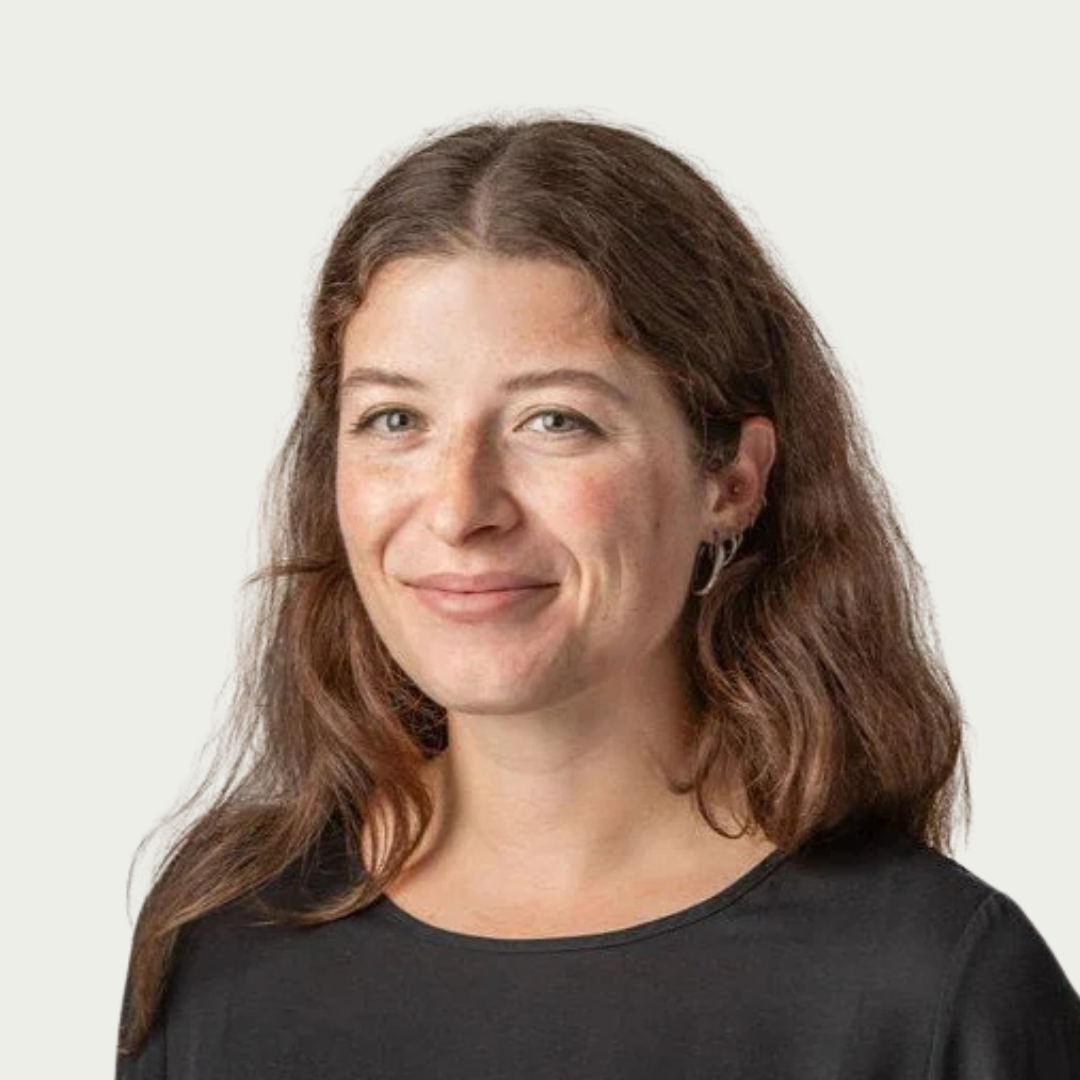
Former New Zealand Prime Minister Jacinda Ardern joins Christiana Figueres and Tom Rivett-Carnac to share what it’s like to be on the inside of a leaders’ summit and asks: if this is to be an implementation COP, the question needs to be, “of what?”
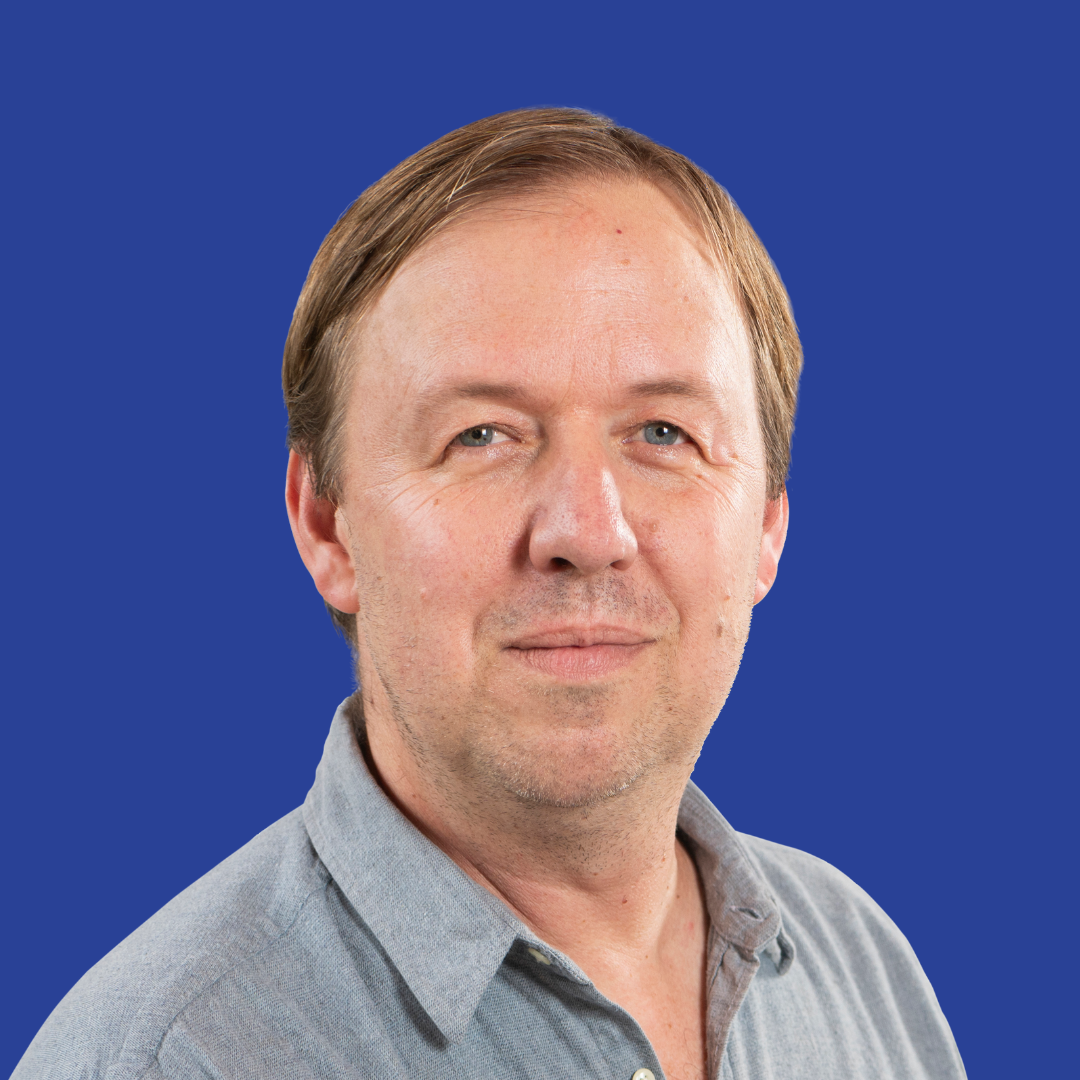
And the hosts are joined by Selwin Hart, the UN Secretary-General’s Special Advisor on Climate, for a wide-ranging conversation on shifting geopolitics and diplomatic tactics, and how the ‘The siloed Ministry of Environment’ is a thing of the past.
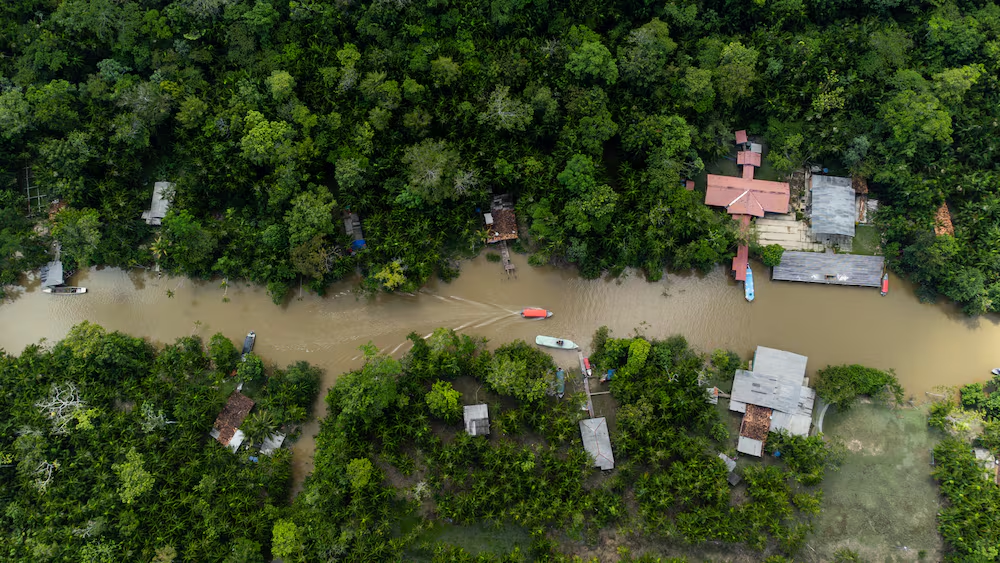
And Brazil has launched it’s flagship Tropical Forests Forever Facility to fund the protection of the world’s tropical forests. But with some major donors holding back, including the UK, the hosts discuss who’s really stepping up to deliver.
As the summit moves from opening stage to action-mode, this episode brings you into the room where debates are shaped, questions are asked, and agreements are negotiated.
Learn more:
📖 Read more about the Belem Leaders Summit
💡 Learn about the Tropical Forests Forever Facility
🌍 Check out the official COP30 website for background and announcements
🎤 What do you want to hear on Inside COP? Ask us on SpeakPipe
Follow us on social media for behind the scenes moments and to watch our videos:
Instagram @outrageoptimism
LinkedIn @outrageoptimism
And we want to hear from you! What do you want to hear more of in Inside COP? Get in touch with us. Get in touch with us via this form.
Producer: Ben Weaver-Hincks
Edited by: Miles Martignoni
Video Producer: Caitlin Hanrahan
Exec Producer: Ellie Clifford
With thanks to Groundswell and Global Optimism.
This is a Persephonica production for Global Optimism and is part of the Acast Creator Network.
Full Transcript
Transcript generated by AI. While we aim for accuracy, errors may still occur. Please refer to the episode’s audio for the definitive version
Tom Rivett-Carnac: [00:00:00] So, guys, do you reckon we need to introduce ourselves every time we're doing these every day? Or should we just assume people know who we are? Otherwise, everyone's gonna have to listen to us say our names every day for the next two weeks.Christiana Figueres: [00:00:09] Well, what for people who join us.
Tom Rivett-Carnac: [00:00:11] Is there going to be people who, like, start on Thursday? They'll know who we are.
Christiana Figueres: [00:00:14] No they won't.
Tom Rivett-Carnac: [00:00:15] Oh. All right. I was hoping Cristiano would agree. And then we wouldn't have to do the. Hello. I'm every day for the next two weeks.
Fiona McRaith: [00:00:23] I strangely get this weird, like, like stage fright that I'm gonna mispronounce my own name every time I do it. I'm like, no, you know this. You know this.
Christiana Figueres: [00:00:30] Would you like to practice?
Fiona McRaith: [00:00:32] No. No. Okay.
Tom Rivett-Carnac: [00:00:35] Should we start? Hello, and welcome to Outrage + Optimism. I'm Tom Rivett-carnac.
Christiana Figueres: [00:00:41] Are you still Tom?
Tom Rivett-Carnac: [00:00:42] I'm still Tom. You're gonna hear me say that every day now.
Christiana Figueres: [00:00:45] I am still Christiana Figueres.
Fiona McRaith: [00:00:47] And I'm still Fiona Mccraith.
Tom Rivett-Carnac: [00:00:50] Okay, so we're inside cop at the Belém climate summit, and we're going to bring you analysis of what's been happening and what it's going to mean for the next two weeks. Okay, so we've been a cop for 24 hours now. Uh, we are in a small room inside.
Christiana Figueres: [00:01:07] Actually, actually, Tom, let's just get this right. I know the cop has not started. It starts on Monday.
Fiona McRaith: [00:01:13] I have heard this so many times.
Tom Rivett-Carnac: [00:01:14] But we're already here in the blue zone.
Christiana Figueres: [00:01:16] No, blue zone has not been created yet. We're at the media center.
Tom Rivett-Carnac: [00:01:21] Where are we?
Christiana Figueres: [00:01:22] We are right in front of where the the Climate Summit for World Leaders is taking place at the media center. Eventually, this will become the media center in the blue zone for the cop.
Fiona McRaith: [00:01:37] Can we just zoom back a little bit and just say, this is the climate summit, which is the world leaders segment, traditionally of a cop, and for the first time ever, it's before the cop even begins by two full days.
Christiana Figueres: [00:01:48] Exactly.
Fiona McRaith: [00:01:49] Yeah.
Christiana Figueres: [00:01:50] This part of the cop used to occur in the second week, when we needed the final political push for whatever the agreement was. Then in Paris, we changed that.
Tom Rivett-Carnac: [00:02:01] To the beginning.
Christiana Figueres: [00:02:02] And we put the world leaders, of which there were 150 who came to start the cop because we thought, actually, we need the political impetus right in front for the whole thing. So it has been since then, until this cop, the Brazilians have decided to separate it and to have this World Leaders Summit two days ahead of when the cop starts. So no, we're not yet in the blue zone. No, we're not yet at the Cop.
Tom Rivett-Carnac: [00:02:28] But we are in the place that will magically transform into the cop in the blue zone. Okay, thank you very much for correcting us and getting us in that position. So we're at the Belém climate summit.
Christiana Figueres: [00:02:38] Yes.
Tom Rivett-Carnac: [00:02:39] Excellent. All right. So now I know where we are and for the last two days.
Christiana Figueres: [00:02:43] But it really does.
Tom Rivett-Carnac: [00:02:43] Raise the question.
Christiana Figueres: [00:02:44] Does the fact that the summit for heads of state has been separated from the Cop? Does it have an effect or any consequence on the political message that all delegates need to negotiate whatever they're going to negotiate here. That's the.
Tom Rivett-Carnac: [00:03:01] Question. What's the answer to that question?
Fiona McRaith: [00:03:04] Well, yes, I think it takes the wind out of the sails a bit when you need a head of state to come in, when things are really tough and give a direction from the top of what is necessary. And I will also say, is this a cop focused on the negotiation?
Christiana Figueres: [00:03:19] Exactly. This is for me. This is yet another confirmation that Brazil has understood that this is not a cop for multilateral agreements. They don't even know yet what the final outcome is going to look like. They they have no idea because they want to first here. So there is no need for a big political push before an agreement because maybe there is no big agreement.
Tom Rivett-Carnac: [00:03:51] So that's going to be a theme of our time here in Belem. Once the cop starts talking about the outcome and really what we're going to get out of this cop. The other thing which has happened here has been a very high level round table on the launch of the Tropical Forest Forever facility. Now, regular listeners will remember this is an attempt by the Brazilian government to have a very innovative financing mechanism to support tropical countries that have tropical forests to keep them standing. And the intention ultimately is to get that to 125 billion. But obviously we're nowhere near that. But it has been capitalized, at least to the tune of 5.5 billion. And now, I believe is up and running and will turn into a thing.
Christiana Figueres: [00:04:32] Yeah. And that's huge. That is huge. Because this really is their main contribution. Their flagship effort, international effort for Brazil has been this t triple F that they have been consulting on for a year. And the fact that there is this capitalization of A 5.5 is really extraordinary. Now, Tom, what are the rumors that we have heard with respect to what the UK has done? They are rumours. But can you explain? I mean, I am sorry, but you are the UK citizen here, so can you please explain to me the rumours that we have heard?
Tom Rivett-Carnac: [00:05:15] Well, I mean, it's actually sort of heartbreaking, actually. And it's, I mean, we've heard it from many different places. So the first thing people should know is that the UK has been under a lot of pressure. Uk was involved in helping to design the treaty, has been under a lot of pressure to contribute financially, along with countries like France and Norway and others around the world, and the decision was made not to put any money in. The UK has a budget coming up shortly. It's going to be very difficult and there was clearly a political calculation that was made not to put capital in. But what is more outrageous almost than that is that we have now heard from multiple independent sources that Rachel Reeve, the finance minister. The Chancellor in the UK also put pressure on other governments. The French and the Germans in particular, not to put money into the AAF.
Christiana Figueres: [00:06:06] Wait, can you please say that again? Because I don't think that my ears heard that properly.
Tom Rivett-Carnac: [00:06:11] So so what we have heard from three different sources is that Rachel Reeves, the chancellor in the UK, and the team around her have put pressure on other potential donor countries not to put money into triple F, because the UK didn't want to be embarrassed by being the only one. Now, thank goodness the countries that we have heard that story about have still put money in, but the UK hasn't. But Cristiano, you.
Christiana Figueres: [00:06:34] Know, it may mean I mean it's very interesting because it may mean that the rumours are true because we saw Germany put in and who else?
Tom Rivett-Carnac: [00:06:42] Norway, France, France.
Fiona McRaith: [00:06:43] France and Norway.
Tom Rivett-Carnac: [00:06:45] Germany and France and Norway. So all the traditional donor countries did put money in along with Brazil.
Christiana Figueres: [00:06:49] Despite despite the rumour that we had.
Fiona McRaith: [00:06:51] And it is embarrassing for the UK that they didn't put money in worry is true, but that's a definitely.
Tom Rivett-Carnac: [00:06:58] And there are ministers who we know were behind the scenes really pushing Keir Starmer to put this money. And ultimately it was the Prime Minister's decision now.
Christiana Figueres: [00:07:04] Now, Tom, here's the thing. I actually sat next to Keir Starmer.
Tom Rivett-Carnac: [00:07:08] Bit down pretty hard on him didn't he.
Christiana Figueres: [00:07:10] At the um Irshad.
Fiona McRaith: [00:07:13] Poor guy. Did not know what he was walking into.
Tom Rivett-Carnac: [00:07:16] He wasn't between you and Marina Silva, was he?
Christiana Figueres: [00:07:18] No, but I was between him and Prince William. So there you go. Um, so. And this was at the height of, of these rumours. So I did take advantage of the few minutes before the programme started to say, a, that we were very disappointed that the UK had decided, because we knew that for a fact that we had the UK had decided not to capitalize the fund and that the Brazilians were not only disappointed, but they were counting on the UK because the UK has been one of the countries that has very actively participated in the design.
Tom Rivett-Carnac: [00:07:54] And disappointed is a massive understatement from the from what I've heard from the Brazilian.
Christiana Figueres: [00:07:58] Press. Disappointed is the is the politically correct diplomatic word. Um, but then also I said, not only that, but there is a rumor going around that the UK is lobbying Germany, for example, to not put any capitalization into the fund, which the Prime Minister flatly denied. And he said, absolutely not. So very possible that it is rumors. Um, one does wonder then what did the Prime Minister come?
Tom Rivett-Carnac: [00:08:30] What was he here.
Christiana Figueres: [00:08:30] For do in Brazil?
Tom Rivett-Carnac: [00:08:33] Well, that's a fascinating question.
Fiona McRaith: [00:08:34] I think he, um, committed to talk about funds or there was, like, some very political jargony way that he, like, committed to the triple F, but didn't actually, like, pledge any dollar.
Christiana Figueres: [00:08:48] One thing that the UK put on the table, which I think is very helpful is that they understand that a lot of this capital will have to come from the private sector. That is definitely true. But the people who are designing have been helping the Brazilians design come back with an argument that says, yes, there does have to be capitalization from the private sector, but there cannot be the expectation that that is the first capital to move, because public sector capital has to be there to buy down the first risk. And if that is not there, how do you expect the private sector to move in? So the answer to that to the UK, yes, that is very important. And it requires public sector taking an insurance.
Tom Rivett-Carnac: [00:09:34] Coming in to begin with. Absolutely. To then build the momentum.
Fiona McRaith: [00:09:36] And just to say, I mean, this is perhaps particularly embarrassing for the UK because at the Glasgow cop there was major commitments to forests and protecting forests, including tropical forests, which are particularly important because of the embodied carbon and the biodiversity hubs that are uniquely in these regions.
Tom Rivett-Carnac: [00:09:55] Yeah. Now, I mean, this is outrageous. If it's true and you never sometimes, never know. I mean, listeners might not really realize.
Christiana Figueres: [00:10:01] It's outrageous if it's true and it's great if it's not. But it still doesn't explain why the UK didn't capitalize.
Tom Rivett-Carnac: [00:10:06] It's still not great if it's not because the UK still didn't capitalize. Exactly. So it's it's it's outrageous anyway. But it's terrible if it's true. Um, I, the Prime Minister has doubled down on multilateralism and the UK's commitment, and the NDC last year was impressive. So those are in the positive camp. So we will have to see how this develops over the coming days. Um, now should we go? We have a couple of very exciting interviews today, don't we? We spoke to former Prime Minister of New Zealand, Jacinda Ardern, your fellow trustee on the Earthshot board just now. Uh, maybe we should go to that conversation first. And then later on in the episode, we also talk to Selwyn Hart, the Under-Secretary-General, uh, the special adviser to the UN secretary general on climate change. So let's first go to the conversation with Jacinda Ardern.
Christiana Figueres: [00:10:56] Jacinda, thank you so much for joining us here on Inside Cobb. We are literally inside the Cobb venue for the first time.
Tom Rivett-Carnac: [00:11:02] This is our first interview in this first recording.
Christiana Figueres: [00:11:05] Of course.
Fiona McRaith: [00:11:06] What a.
Christiana Figueres: [00:11:06] Very exciting.
Christiana Figueres: [00:11:08] We are very, very excited. So Jacinda, let me let me set up this conversation. We have an interesting contrast. I think of factors. On the one hand, we know that everything that has come in through the national determined contributions is vastly insufficient. We know from what we have heard from heads of state that they are not up for the kind of leadership that we need. We know that the Cop presidency has labeled this as the implementation Cop. So how do you put those three things together from the vantage point of the leadership that heads of state cannot renounce.
Jacinda Ardern: [00:11:50] Mhm. You know, in my mind, uh, actually the challenge that the Cop presidency have put before us is this is an implementation Cop. And therefore I think the question that needs to be asked of what. Because actually if it's implementation, then surely that puts squarely the NDCs at front and center. Because if we are seeking to implement 1.5, we need to really break down into the what's every nation doing to really commit to that endeavor. But I also understand what they're asking for is to say is to go beyond targets, is to say, well, what are the tangible things that we're doing in each of the really critical areas? They've got a big focus on energy, obviously on transportation, on everything down to, you know, food resource methane. They've got all of those separate elements and representatives and work streams under each. But I still keep coming back to at the same time What? What is our overarching goal? We can't look away or move away from the ultimate goal of 1.5. Load More
Christiana Figueres: [00:12:53] Well, and in that context, what is the role of the Leader summit?
Jacinda Ardern: [00:12:57] This is an interesting question that I would almost put back to you as a much more seasoned leader in this space.
Christiana Figueres: [00:13:03] And to you as a former head of.
Christiana Figueres: [00:13:04] State. But it seems.
Jacinda Ardern: [00:13:06] To me that the Leaders Summit, from the conversations I've heard, has actually been different every time. Yes. And that is really interesting to me because in most forum where I've been used to engaging at leader level APEC East Asia Summit or even an Unga, there is a set piece that has some consistency to it, but the leaders summit in the way that it interplays with Cop writ large, seems to have varied each time depending on presidency. And it seems that this one is slightly separate in some ways, and the leadership is slightly separate in some ways. And so I think it does lend itself to leaders coming and making commitments that are relevant to Cop, but not necessarily. I'm not sure how consistently some of these issues will feed through into Cop proper.
Christiana Figueres: [00:13:50] So you've had the opportunity these days to speak to quite a few sitting heads of state from the Pacific. What what sense do you get from them? Did they say we're so delighted that we came? It's a long, long trip. Uh, but it's a good use of our time and resources to come, because the leaders summit dot, dot, dot.
Jacinda Ardern: [00:14:15] I think you'd get that. More on the importance of the presence at Cop as opposed to necessarily the leaders summit. It's a bit hard to try and read into too much. To what degree does the presence or representation at individual country, at the Leaders Summit reflect their view of the importance of Cop? Because actually, the time that's required, if you're coming along and attending the entire thing is enormous. When, for instance, it took the representatives, the minister from Tuvalu, Four days to get here.
Christiana Figueres: [00:14:47] For three minute speech.
Jacinda Ardern: [00:14:48] For for four days. And so if you're coming for the entirety of Cop plus the Leaders Summit, that is a huge time commitment. So, um, all that to say, whether or not someone's represented, I wouldn't take from our region as being representative of the importance of the agenda and the event. More broadly, though, on on the Pacific's, um, priorities and focus, they are so consistent as a region. One point.
Christiana Figueres: [00:15:18] Have been forever.
Jacinda Ardern: [00:15:20] All the way through. Totally consistent. So you see some variations simply on, uh, you know, the intricacies of a single agenda, of course, but overall the objectives are the same because and for some reason they haven't been achieved yet. So that's why they'll remain.
Christiana Figueres: [00:15:35] And their survival depends on it.
Jacinda Ardern: [00:15:36] And their survival depends.
Christiana Figueres: [00:15:37] Pretty compelling.
Jacinda Ardern: [00:15:38] Very compelling. And so that's for the urgency and the optimism piece. I think on the one hand you're absolutely right, Christina. We've got to acknowledge the progress that's been made and progress has been made.
Christiana Figueres: [00:15:50] And.
Christiana Figueres: [00:15:50] Not sufficient.
Christiana Figueres: [00:15:51] At.
Jacinda Ardern: [00:15:51] At all, but not sufficient at all. And I think that's what the Pacific, you know, anyone at leader level who ever implies that kind of well, you know, at least we've done this much when your survival is dependent on it. Totally. Of course.
Christiana Figueres: [00:16:04] That's makes no sense. No, I totally understand. So, Jacinda, there are two things that Brazil is a cop presidency has put front and center that are quite unique for a cop. One is the importance of force because we haven't seen that. And the other thing that they have put front and center, which is very, very intimately related with force, is the leadership of indigenous peoples, of indigenous communities of First Nations. It is so refreshing and so, so, so long coming.
Jacinda Ardern: [00:16:37] Oh, agreed. You know, I, uh, my hope is that for future cops. We see an ongoing centrality for the indigenous voice in these discussions because, you know, if we lived in a world in which the indigenous practices for our environment were.
Christiana Figueres: [00:17:00] Mainstream, were mainstream.
Jacinda Ardern: [00:17:02] We wouldn't be here.
Christiana Figueres: [00:17:04] We wouldn't need a COP
Jacinda Ardern: [00:17:05] We wouldn't need a COP. And so I think that's, you know, it's so there's a multitude of reasons, but I see that as, as, as a really significant one. Uh, and just to amplify then the, um, from New Zealand's perspective, of course, indigenous New Zealanders, um, Maori have a principle which they very generously share with New Zealand as a whole. And the principle is that of kaitiakitanga that we are the guardians of our environment and that as guardians, our job is, is to hand over to the next generation an environment that's in better shape than we found it. And when you think of the notion of guardianship over and above notions of ownership, it does change your thinking. And there's been lots of groundbreaking and incredible thought leadership and changes in our legislation that have put that at its heart, not least the initiative that gave a body of water, the Wanganui River, the status of a person.
Christiana Figueres: [00:18:07] Yes.
Jacinda Ardern: [00:18:08] And again, thinking about.
Christiana Figueres: [00:18:10] With legal rights.
Jacinda Ardern: [00:18:11] With legal rights. And when you when you think in that way, it can change everything. And so just to give a practical example to, to why I think that that voice is so important.
Christiana Figueres: [00:18:22] Let's move over to leadership in general. In the bigger picture that we have, in addition to climate to which climate contributes. But, uh, we're in a situation of many crises at the same time.
Jacinda Ardern: [00:18:37] Yes.
Christiana Figueres: [00:18:38] And I have never seen any crisis where leadership is unimportant.
Tom Rivett-Carnac: [00:18:46] What do you think? I mean, here in Brazil, leaders are here at the moment. They're going to be leaving soon. What's their biggest opportunity for leadership here that you hope they'll lean into?
Jacinda Ardern: [00:18:54] From my you know, from with my old head on, I think what I would what I was always mindful of is it's not enough to come out and amplify the overarching goals unless you're demonstrating you're walking the talk at home. And so that's I think, the leadership we need. It's both coming out and encouraging those around you. But demonstrating what you're doing domestically as well. Because, you know, we all look to each other. We look for examples, you know, how is how is Denmark dealing with its agriculture. What's the Netherlands up to. You know, we canvass around. And when I came in there was a mantra of, well, New Zealand should be a fast follower and I didn't want to be a fast follower.
Christiana Figueres: [00:19:35] You want to be a fast leader.
Jacinda Ardern: [00:19:37] You want to you want to be able to lead. Because then there is some economic advantage to being a first mover, to being the innovator, to creating the technology that others need.
Christiana Figueres: [00:19:47] Absolutely.
Jacinda Ardern: [00:19:47] But we also do borrow from each other. So I think the leadership opportunity is not just to amplify the the important messages. It's to walk the talk and start bringing to the table, you know, those ideas, initiatives and investments that are going to make a difference.
Christiana Figueres: [00:20:03] Because otherwise leadership is no integrity.
Jacinda Ardern: [00:20:06] And as the Cop presidency have been saying otherwise, it's, you know, it's you don't have the implementation to hold up.
Christiana Figueres: [00:20:14] So we're here in Brazil, certainly supporting the Brazilian presidency and doing everything we can to get as much possible out of the next two weeks. But next year, are we in the Pacific?
Jacinda Ardern: [00:20:27] I certainly hope.
Christiana Figueres: [00:20:28] So.
Jacinda Ardern: [00:20:28] You know, this is one of the you know, it's it is time. Uh, it is time. And Australia have obviously, I think put a really strong bid in partnership with the Pacific. And not only is it an opportunity to amplify, uh, the, um, you know, the perspective of large ocean states. Um, but it is also an opportunity to focus on, uh, the climate oceans nexus.
Christiana Figueres: [00:20:56] Absolutely.
Jacinda Ardern: [00:20:57] Which has been, you know, piecemeal to date. Uh, so there's many, many reasons why I think we would all benefit from it being hosted, um, within the Pacific. It's not without its challenges. Turkey obviously is is wanting to host. And so, uh, and if there is an agreement, it ends up in Bonn. So here's hoping here's hoping indeed.
Christiana Figueres: [00:21:20] We're also hoping for that.
Jacinda Ardern: [00:21:22] Yes. Yeah.
Christiana Figueres: [00:21:23] Well, Jacinda, thank you so much for joining us here on Inside Cop. And how long will you be staying. Until you have to leave.
Jacinda Ardern: [00:21:29] For the Leaders Summit and then to the very beginning. So I unfortunately leave in three days.
Christiana Figueres: [00:21:34] Okay, but thank you. Thank you for devoting this time to us.
Jacinda Ardern: [00:21:38] Thank you for having me.
Tom Rivett-Carnac: [00:21:38] Thanks so much. What a great leader Jacinda is and amazing to have her here. That was, of course, a much longer discussion than we were able to share with listeners, but we will hopefully at some point soon share the full conversation. Now, I guess we should maybe move on to the chat with Selwyn. You've known Selwyn Hart for many years. Why don't you introduce him?
Christiana Figueres: [00:21:57] I have known Selwyn Hart for many years since we were both lonely little negotiators, always on the same side because the Caribbean and Central, or because the Caribbean and Costa Rica have always been high ambition countries together with all of the Pacific countries. So yes, I have known him for a very long time. He then moved from being a negotiator to being the right hand to the Secretary general for all matters climate change, which was an interesting choice to take a negotiator of high ambition Country into the 37th floor, which is where the secretary general has his has his offices and help the secretary general understand it from the bottom up, because Selwyn really understands the negotiations on the ground, which a secretary general that has actually not done that before wouldn't understand. So Selwyn has played such a key role in helping the secretary general to understand all the different levels of the climate negotiations.
Tom Rivett-Carnac: [00:23:09] And he, of course, played that role for the previous SG. Right. Ban Ki moon, which is where he was in that position when we were in Paris. Great. So it was so nice to see him and catch up with him. Let's hear that discussion.
Christiana Figueres: [00:23:22] Selwyn, thank you so much for joining us. You know, as you sat down, I think we both had a flashback that ten years ago and and five years before that, we were working shoulder to shoulder, basically on the same side are pulling, pushing, cuddling, doing everything to get governments to a very ambitious Paris Agreement, which we did. And now I'm not working shoulder to.
Christiana Figueres: [00:23:50] Shoulder with you.
Christiana Figueres: [00:23:51] Because, Selwyn, can I say.
Christiana Figueres: [00:23:53] I.
Christiana Figueres: [00:23:53] Have a press badge?
Christiana Figueres: [00:23:56] So for me, this is really weird because, you know, so many of my years were on On your Side. Um, how is it for you?
Selwyn Hart: [00:24:06] Well, seeing both of you as I sat down, you're. You're right. I got really nostalgic. Um, I really thought about ten years ago when you rushed in to the room and you told Ban Ki moon at the time. We have a deal set for general. We have a deal. But I also remembered the not so good moments in this process. Copenhagen. We were both negotiators. And you lent me your scarf because my coat had been locked in and in the aosis offices and and some of those really difficult conversations that we had with colleagues in the g-77, but also in the broader negotiations on issues like 1.5. And you were always one of the most principled, determined negotiators. And while you.
Christiana Figueres: [00:25:04] Forgot the stubbornness.
Selwyn Hart: [00:25:05] And stubborn and and that stubborn optimism is definitely reflected in your work.
Christiana Figueres: [00:25:11] So, um, so when you have shared with us that the secretary general hasn't left yet. Uh, so he's here. He obviously opened the session yesterday, and he will be with us still for a couple of days. Uh, how is how is he thinking? How is he feeling? How what what reports are you taking up to him from the plenary. What's the mood?
Selwyn Hart: [00:25:36] Well, it's a mood of, uh. How should I put this? Determination. Okay. And stubbornness. Of course. We're at a very complex moment. The geopolitics are not that great, as you well know. We don't have the same spirit of cooperation and collaboration that we had a decade ago when this agreement was finalized. Many developing and emerging economies have prepared their new climate plans, their new indices in an environment with geopolitical tensions, trade and economic uncertainty. And quite frankly, we see this reflected in what is on the table. So we have these massive political challenges, but at the same time, climate impacts are getting worse as we are seeing in Jamaica, Southeast Asia, all over the world, we're seeing an acceleration of climate impacts, but we're also seeing the really amazing progress that this agreement, this little agreement that you've worked on for such a long time. We worked we worked on the amazing progress that this agreement has generated. And ten years ago we were dreaming a bit. But now we have the tools. We basically know what to do to accelerate the pace of the energy transition. Renewables are now the cheapest, safest and fastest way to generate new electricity. Finance is flowing. It's not fast flowing fast enough, it's not flowing fair. But we basically know what to do and we have the tools to really solve and address this challenge. So while on the other hand, there's lots of frustration around the geopolitics and countries not working together in a way that they should to solve a global challenge. On the other hand, we have the tools. We know where the finance needs to go, what it needs to do, and we're equipped to solve this challenge. So I would say it's a mixed set of emotions, but the secretary general, he is 100% committed and determined to use the tools that he has. His voice, his convening power, the UN system to help countries. He's 100% committed to use those tools effectively to bring everyone together to solve this challenge.
Christiana Figueres: [00:28:23] So you've been a diplomat for so many years, and you continue to be a very wonderful diplomat, which is why you say the SG uses his voice? Since I am no longer a diplomat, I will say the SG uses his whip.
Christiana Figueres: [00:28:40] Because that is what he has been doing. Yeah. Yeah.
Christiana Figueres: [00:28:45] So I'm just really interested in how does that feel? How does it feel to to, you know, use the whip that he's entitled to use and see the mixed picture that you've just laid out with some progress but completely insufficient progress. And so what does that do? Does that make you want to take out a stronger whip? A longer whip does it. What does it do.
Selwyn Hart: [00:29:12] It's extremely important for us, as you know, to have a boss. And you were in both. You were the boss. And to have a boss who is willing to use his political capital to put his political capital.
Christiana Figueres: [00:29:28] You see you're still.
Selwyn Hart: [00:29:29] On the line.
Selwyn Hart: [00:29:30] Yes. It feels great. It feels great, feels great.
Selwyn Hart: [00:29:35] I certainly feels great.
Tom Rivett-Carnac: [00:29:38] You need a bigger win. Exactly.
Selwyn Hart: [00:29:41] Who is willing to put his political capital on the line? Um, in the service of humanity. And you know, what he says publicly is one thing, but privately, um.
Christiana Figueres: [00:29:54] Is it an even sharper.
Selwyn Hart: [00:29:56] Way? Sometimes it comes.
Selwyn Hart: [00:29:57] It is a sharper whip, and it and and very, very, very targeted. He's also an engineer and a former politician. So he, he, he, he uses those skills in a way that I've seen few leaders being able um, to, to, to do that. And you know, and he always wants us to be credible. He also he always wants us to ensure that every single point or argument that he makes is backed up by the science.
Tom Rivett-Carnac: [00:30:28] Yeah, I'm curious to get into that. Carrying a whip just a little bit more, because I think it's such an interesting role, the role that the SG chooses to play at this moment. Right. Because clearly you sort of are a strong advocate for like, you know, honesty, pushing. Are there any downsides to that strategy?
Selwyn Hart: [00:30:44] Well, it's I would that's a very tough question, Tom. But it is always balanced with and you've seen this emerge over the course of this last year with the opportunity narrative. Yes. We are falling behind. Sense tells us that we that overshoot. And thank you guys for being able to explain the concept of overshoot. I know, sorry, but we sort of use. Good.
Christiana Figueres: [00:31:13] Glad that you use it. Use us any time.
Selwyn Hart: [00:31:17] As exactly being able to honestly say what the science is telling us, but also coming in and saying, okay, we're not in a very good position, But we still have the tools. We know what to do to solve this issue. So his moment of opportunity speech was I hope you noticed that.
Christiana Figueres: [00:31:39] There was a.
Selwyn Hart: [00:31:39] Shift. It was really a shift.
Tom Rivett-Carnac: [00:31:41] It was people respond to that.
Selwyn Hart: [00:31:42] Yeah. Yeah. Because.
Christiana Figueres: [00:31:45] Yeah.
Christiana Figueres: [00:31:46] How did it come to that? Because we noticed it. We were like, whoa.
Christiana Figueres: [00:31:50] Yeah.
Christiana Figueres: [00:31:51] The whip is a little bit less strong.
Christiana Figueres: [00:31:54] Yeah.
Tom Rivett-Carnac: [00:31:55] Um, and cookies are being handed out.
Christiana Figueres: [00:31:57] Well. Or at least. Or at least a way forward. And so I was just really interested in what led to that decision, how comfortable he feels with that change in the narrative. Does it represent something internal to him? Does it represent a reaction to the geopolitics? Does it represent Selwyn whispering into his ear? What does it represent?
Selwyn Hart: [00:32:22] I think it's a combination of both the political moment but also the economic moment.
Christiana Figueres: [00:32:29] That we're.
Selwyn Hart: [00:32:30] Currently in, right? Yes, we need to push everyone to do more. But at the same time, the economic opportunities of the transition are absolutely.
Christiana Figueres: [00:32:40] Compelling.
Selwyn Hart: [00:32:40] Are beyond compelling. And when you look at where we've come in a decade, in a decade, ten years ago, 1%, less than 1% of all new cars sold were electric vehicles. This year, it's likely.
Christiana Figueres: [00:32:58] 1 in 5.
Selwyn Hart: [00:32:59] 1 in 5, 1 in 5.
Christiana Figueres: [00:33:01] And.
Christiana Figueres: [00:33:01] In China, many more.
Selwyn Hart: [00:33:02] And in China many, many more. And many of the developing and emerging economies like Brazil now has become a major market for electric vehicles and hybrid vehicles. And a decade ago, it took one week, about one week, to deploy one gigawatt of solar. This year, every 12 hours, half a day, one gigawatt of solar will.
Christiana Figueres: [00:33:26] Be a great data.
Christiana Figueres: [00:33:27] Point.
Christiana Figueres: [00:33:27] I haven't read.
Selwyn Hart: [00:33:28] That. So? So when we started to look at the data, we knew this stuff was happening, but the pace that it was happening at it.
Christiana Figueres: [00:33:37] Did it catch you by surprise?
Selwyn Hart: [00:33:38] It caught us by surprise. When we look at, you know, investments, deployment, um.
Christiana Figueres: [00:33:45] Because we could we could have whispered it to you a few years ago. No, no no, no.
Selwyn Hart: [00:33:51] And the pace keeps picking up, you know, year after year after year. And it also became clear that, you know, the reality is that since Paris, four out of every $5 invested in clean energy has just gone to China. And the advanced economies and countries representing two thirds of global population are just getting one out of every $5. And if we can shift some of that investment.
Tom Rivett-Carnac: [00:34:19] Because that's where all the emissions growth is as well.
Selwyn Hart: [00:34:21] That's where that's the population, the emissions growth.
Christiana Figueres: [00:34:25] So and so a data point to fit right in there with that very important argument. We in the global South, we're just going to leave Tom out of this.
Christiana Figueres: [00:34:33] Exactly. You're not one of us.
Christiana Figueres: [00:34:36] We in the global South. We have 70% of the solar and wind potential of of the world. We also have 50% of the minerals that are necessary for the transition. So this could be the greatest, greatest leap forward. It could be the biggest, biggest thing that has ever happened for the global South. Or as we were corrected a few days ago, it's not the global South. It's the global majority.
Selwyn Hart: [00:35:04] Yeah, exactly. I agree. And using Africa as an example, you know, of that 70% Africa, 60% of the best solar potentials in Africa, um, 30% of the critical energy transition minerals and 2% of clean energy and investment create a continent.
Christiana Figueres: [00:35:22] That's the gap. We have.
Selwyn Hart: [00:35:23] A billion.
Christiana Figueres: [00:35:24] People more than China.
Selwyn Hart: [00:35:26] And growing the youngest continent. Now, if Africa develops like the developed countries, or.
Christiana Figueres: [00:35:35] Even if that's the way they go or.
Selwyn Hart: [00:35:37] Or even if it develops in a way that China was two decades ago, with emissions growing at 8 to 9% annually, we're all cooked. So in our view, it's in everyone's interest to work with African countries, to work with the continent, to ensure that this new climate economy that is emerging, where countries can grow, provide social services, etc. to their citizens, that this new climate economy that is emerging, that Africa is at the forefront of that so, so, so.
Christiana Figueres: [00:36:14] 100%.
Selwyn Hart: [00:36:14] And other, you know, and other developing countries and the global majority.
Christiana Figueres: [00:36:19] The global majority isn't that great. Okay.
Tom Rivett-Carnac: [00:36:21] So I don't want to bring this down in this conversation, but just as a different perspective. We've seen a range of leaders statements, and they're not enough to fit in with the economic reality that they should be grasping. So you're in the bilateral with the SG. You speak to countries all the time. What excuses do they give you?
Selwyn Hart: [00:36:36] So it's not necessarily so. Reality is. And just look at the NDCs for example, an important signal of a country's commitment to climate action. Um, what we've heard from many countries is we've prepared these indices in an environment of great uncertainty.
Christiana Figueres: [00:36:57] The geopolitical.
Selwyn Hart: [00:36:58] Yeah, the.
Christiana Figueres: [00:36:59] Trade.
Selwyn Hart: [00:36:59] The trade uncertainties, the geopolitics. And so, so, so countries have prepared these new plans, um, in an environment of, of great uncertainty. And in any country they're always and you know this about Christiana, there are always those who are for ambition. If you're an energy minister, your job is to keep the lights on.
Christiana Figueres: [00:37:21] On.
Selwyn Hart: [00:37:22] You f your finance minister. Your job is to ensure that you have.
Christiana Figueres: [00:37:26] You.
Christiana Figueres: [00:37:26] Balance the budget.
Selwyn Hart: [00:37:27] Balance the budget. Fiscal discipline, zero debt. So in any country there are these competing forces and voices. And what we've seen this round of indices. The good thing the ambition level. We are not satisfied, of course with the ambition level, but the quality of the indices are so much better than they were ten years or even four years ago. They've now many countries have moved, as you've seen, from sectoral plans and targets to economy wide indices. You know, China, Indonesia, Nigeria.
Christiana Figueres: [00:38:03] What a.
Christiana Figueres: [00:38:03] Fight.
Christiana Figueres: [00:38:03] That was.
Selwyn Hart: [00:38:04] And that was such a big fight. And that was not so. So the quality of the indices, um, have significantly improved. And what we've seen is, is, is that, you know, the modeling, both the climate modeling, but also the economic and social modeling has significantly improved, so countries have taken the exercise a lot more seriously. But they're also extremely cautious. So this is why this cop is such an important call. It needs to be honest. It needs to clearly state, you know, we've made good progress. Some things are working, but we have these massive gaps. But it must also provide some degree of certainty to the global majority. And it also means that contentious issues that you're hearing from developing countries, it's not only finance, but on issues like trade. These issues must be on the table.
Christiana Figueres: [00:39:02] They're real.
Selwyn Hart: [00:39:03] There are real issues. So we're really at this moment now where climate action is no longer the siloed Ministry of Environment, Ministry of Climate, which is something that I know you advocated for for many, many years. And what we've seen from the indices, which is, I would say, the biggest indicator of intent around ambition. Countries have opted to be cautious. And we tried during the course of this round to say, you know, you've done this in the past, can you be a bit more ambitious and move away from under-promising internationally and over delivering domestically? And I dare say that not all of them have have listened.
Christiana Figueres: [00:39:53] No, that's and that's true. And that's, as you point out, that's understandable because of what we're seeing, especially from the United States. Um, but it is an important distinction that you make that maybe not all, but most countries are moving from ambition in targets to specificity in planning. That is a radical change, a radical change. And if that means that given the geopolitics, they have to be more careful about what they put down on paper. So be it. But there it is not the case that they're pulling back. That, I think, is the bottom line. They're not pulling back. They're actually getting their boots dirty and asking themselves, how do we get this implemented 100%.
Selwyn Hart: [00:40:41] And we saw this in September. Margins of the G8, the Secretary-General convened yet another climate summit, but we did it with the Brazilians to ensure that what we were hearing and throughout the course of the year, there was a lot of speculation that the US has announced its withdrawal. Is there going to be a.
Christiana Figueres: [00:41:00] Stampede, a.
Selwyn Hart: [00:41:01] Stampede out?
Christiana Figueres: [00:41:02] Stampede of one?
Selwyn Hart: [00:41:03] We heard Stampede. Yeah, it has remained a stampede of one. You know, 196 minus one. It's 195. It's.
Christiana Figueres: [00:41:11] It's not in most countries. Yeah, right.
Selwyn Hart: [00:41:14] So we were hearing completely opposite. Yes. This careful approach to setting international targets. But countries at the highest political levels will continue to remain committed to multilateralism. They remain committed to the Paris Agreement. So right now, as of today, 106 parties representing close to 75% of global emissions have their indcs on the table. And we're expecting.
Christiana Figueres: [00:41:46] Can you give us.
Christiana Figueres: [00:41:46] Those numbers.
Christiana Figueres: [00:41:47] Again? 100.
Selwyn Hart: [00:41:48] 106 parties representing close to 75% of global emissions. And more will come in, you know, in all of his bilaterals. The SGA has been speaking to countries and those that have not yet formally submitted. He's been, um, he's been encouraging his.
Christiana Figueres: [00:42:07] Getting his whip out, using him.
Selwyn Hart: [00:42:09] Using his whip. So, so so this is it shows that the regime that you created is alive and well. Um, we need to move much faster implementation. And this is why this cop, it needs to be a Cop of acceleration and implementation.
Christiana Figueres: [00:42:27] Thank you so much. Really appreciate that you're taking time during during this crazy, crazy days that are Pre-sessional and Leader Summit. And I'm sure the SG is pounding on the table saying Where is Selwyn? So we will let you go now.
Selwyn Hart: [00:42:41] Thank you.
Tom Rivett-Carnac: [00:42:42] Great to get Selwyn on the podcast. I mean, so great to get his his perspective and the way in which the SGS narrative is shifting towards the opportunity as a reflection of the way in which the reality of the moment we're in is really changing. So, um, I think this is the today is the end of the climate summit. So we've got a couple of days now. So over the weekend we'll be doing some more conversations. We'll talk to Ed Miliband from the UK. We'll talk to Andre de Lago. Both of those will be with you as interviews on Monday, the first day of the cop. We'll look forward to seeing you then. Thanks so much.
Fiona McRaith: [00:43:11] Bye bye.



.png)